

Nurses and midwives: for after the shift
Home from shift, and your head is still on the ward.
20 minutes of guided audio, designed to help you come down after a shift and get to sleep, day or night. Nothing to practise. Headphones in and press play.
Start your 7 night free trialWhat you actually get
6 Sessions Chosen for After a Shift
One email gives you one free session for 7 nights, so pick the one that fits you best. Do not listen while driving or operating machinery.

Back to Sleep After Waking
For when you wake after two hours and the clock maths starts.

Deep Restful Sleep
For lying down after a shift and actually letting go.

Sleep After Stressful Days
For the shifts that were a lot, before you try to sleep.
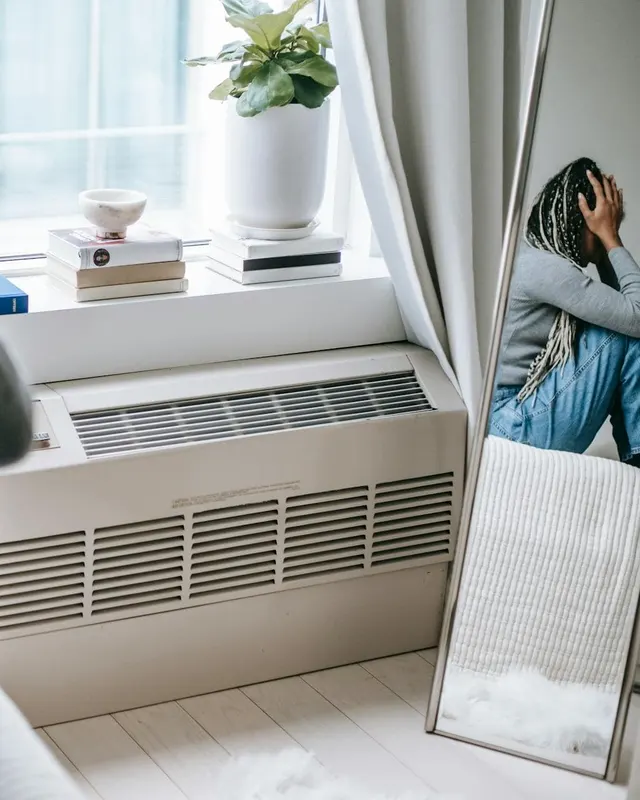
Calm the Overthinking Mind
For the head that keeps running the ward after you leave it.

Stop Replaying the Conversation
For the patient, the handover or the comment you keep going back over.

Reduce Stress and Anxiety in the Workplace
For staying steadier through a hard run of shifts.
The offer
One subscription. Every pathway.
One session free for 7 nights, no credit card. Subscribe and the whole library opens.
Monthly
Works out at $359.40 a year
Annual
The same as $24.92 a month. You keep $60.40.
That is about 82 cents a night, and you can start tonight.

Ten minutes, yours
Try one before your next sleep
Not a clip and not a preview. The whole session, and no sign up. Play it once you are home, lying down, curtains shut.
Calm Reset 10 min · Rob Edmonds
0:0010:00
Best with headphones, lying somewhere you will not be interrupted. If you drift off, that is fine. Do not listen while driving or operating machinery.
Whatever you noticed just then was your own doing. The session is only the way in.
- Free session
- No sign up
- Created by Rob Edmonds

Not sure where to start?
What follows you home after a shift?
Six questions, about a minute. You get your after-shift pattern and one thing to try before your next sleep. It is not a test and it does not diagnose anything.
Take the one minute nurse check-inIn short
- Six Cognitive Pattern Reprogramming audio sessions, chosen for nurses and midwives coming off shift.
- Built for the replaying, the hours maths and the switched on feeling that follows you home, not the roster itself.
- You listen on your own phone, day or night. Nothing goes through your hospital or your manager.
- Self-guided wellbeing support. It does not diagnose, treat, cure or prevent any condition, and it does not replace your GP or your EAP.
- Session length
- 20 minutes, whenever your sleep starts
- Who creates it
- Rob Edmonds, who holds a Diploma of Clinical Hypnosis and Strategic Psychotherapy
- What you get
- 6 chosen for after a shift, 50 plus across the library, built to be replayed
- To start
- One session free for seven nights, no credit card

Sound familiar
If the shift comes home with you, you are in the right place
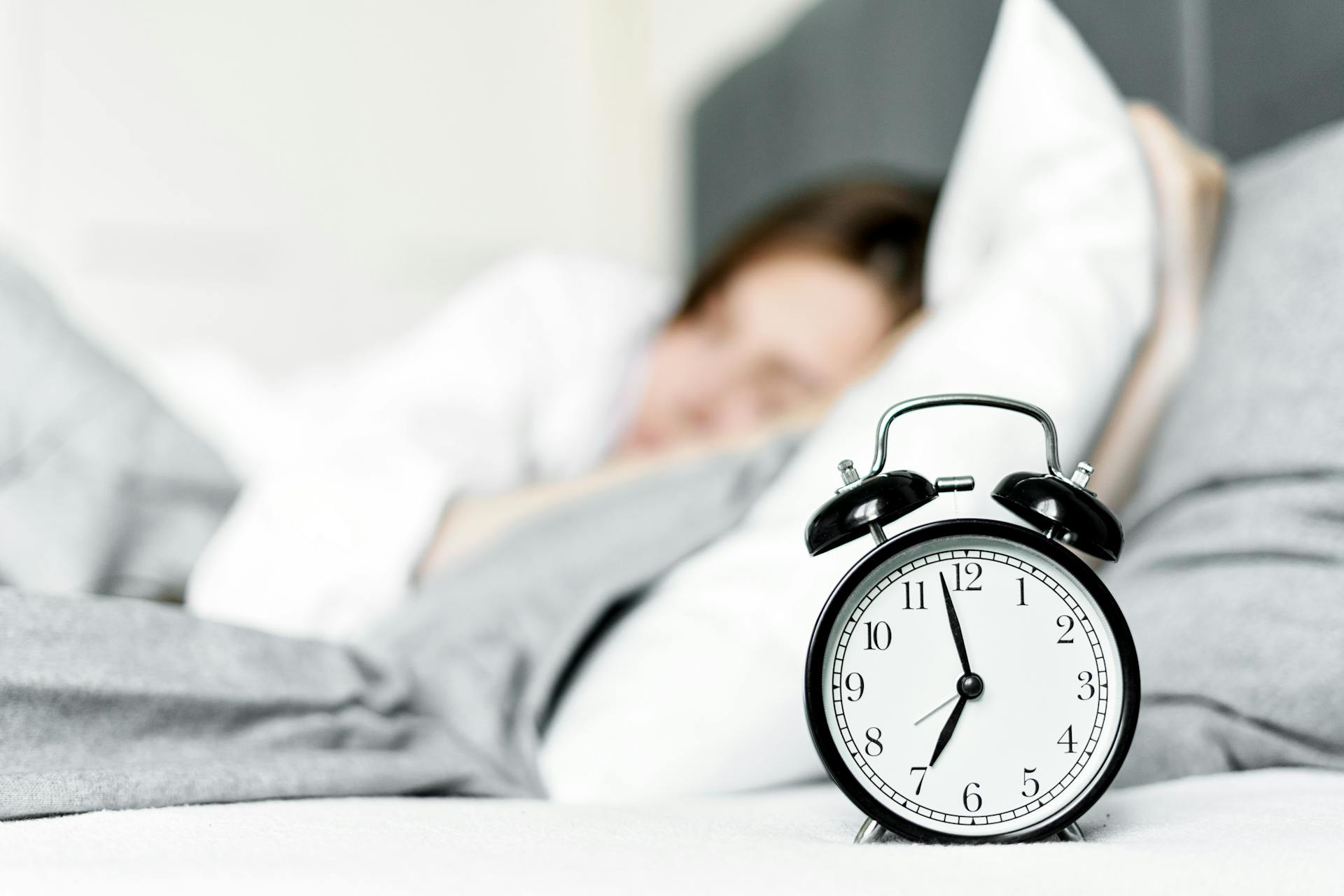
You spend twelve hours looking after everyone else. Then you lie down and your body is done, and your head is still running the ward.
- You get home after nights, shut the curtains, and lie there wide awake while the street wakes up.
- You replay a patient, a handover or one thing you said, over and over.
- You keep doing the maths: if I fall asleep now, I get four hours.
- You still hear call bells and pump alarms when you close your eyes.
- You dream about work, and wake up as tired as when you lay down.
- Coffee got you through the shift, and now it will not let you sleep.
- You dread the next shift a day or two before it starts.
- Your days off go on catching up on sleep, and family and friends get what is left.
None of that means you are bad at your job or bad at resting. A shift trains you to stay alert, because that is what keeps your patients safe. That setting does not always switch off when you walk out the door. It is a pattern, which means it can be worked on.
Why nothing has quite held
You have almost certainly tried most of this already
None of it is useless, and most of it is worth keeping. It is aimed at the room and the body. The busy head is a different part of the problem.
Blackout curtains and an eye mask
Keep them. A dark, cool room matters for day sleep. A dark room still does not stop the replaying.
More coffee to get through
It gets you through the shift. Late in a shift it can also be what keeps you awake once you are finally in bed.
A glass of wine to wind down
It can make you drowsy. It also tends to break up sleep later on, so you wake feeling less rested.
Scrolling until you are tired enough
It fills the gap. The screen and the content can also keep your head switched on for longer.
Melatonin
Some nurses use it. Whether it suits you is a question for your GP or pharmacist, not a website.
Telling yourself to just switch off
Being told to relax rarely works on a brain that has spent twelve hours staying alert for a living.
You were never doing rest wrong. A shift trains you to stay switched on, and that setting does not always get the message when you get home. These sessions are designed to work with that pattern while you listen.
Nothing to explain to anyone. Headphones in and press play.
Start your 7 night free trialOne session free for seven nights · no credit card · cancel anytime
What it actually is
How Cognitive Pattern Reprogramming works
The MindShift Method uses Cognitive Pattern Reprogramming, drawing on Clinical Hypnosis, Strategic Psychotherapy and Neuro-Linguistic Programming. It is designed to help you recognise and interrupt the unhelpful patterns in how you think, respond and behave.
Rob Edmonds explains the method, about six minutes
-
Nothing to talk through
No going over the shift. While listening you remain aware and in control, able to hear what is being said and respond if you choose.
-
Whenever your sleep starts
After nights, after a late, before an early. Press play once you are home and lying down. Falling asleep partway through is fine.
-
Nothing to practise on shift
The whole of it happens while you are listening. No exercises, nothing to remember at work, nothing anyone on the ward will see.
The sessions are designed to be repeated, and there is no fixed timeframe. People respond differently, and we make no promise about what you will notice or when. Cognitive Pattern Reprogramming has not been through an independent clinical trial as a complete method. If you want the method in full, here is how Cognitive Pattern Reprogramming works.
What is actually going on
Why you can run a ward all night and not get to sleep at 9am
This is about the pattern that comes home with you. It is not about the roster, and it is not the right tool if you are in crisis. If that is where you are, Lifeline is on 13 11 14 and Nurse & Midwife Support on 1800 667 877, both 24 hours.
A lot of nurses describe the same thing: exhausted, and wide awake the second their head hits the pillow. That is worth taking literally. Tired and switched off are not the same thing.
Why is it so hard to sleep after a night shift?
Two things are working against you at once.
- Your body clock is set for daylight to mean awake, so sleeping at 9am is going against it.
- Your head has spent twelve hours on alert, and that does not stop just because the shift did.
- Lying there doing the hours maths can keep the alert going, and worrying about sleep is one of the things that can keep people awake.
What helps with day sleep
The practical things nurses already swear by, in one place.
- Sunglasses on the way home and a dark, cool room once you get there.
- Coffee early in the shift, not in the last few hours of it.
- A short nap before a night shift, or a split sleep, if one long sleep will not come.
- Tell the household your sleep times, and put the phone on do not disturb.
- A wind-down routine that is the same every time, so your head learns what comes next.
If you are too tired to drive home
Your safety comes first.
- If you are nodding off, pull over somewhere safe and rest, or get a lift. Do not push through.
- If it keeps happening, raise it with your GP and your manager.
How the Mindshift Method fits
The Mindshift Method app can be used alongside appropriate medical, psychological or therapeutic care where required.
You look after everyone else all shift. Twenty minutes is for you.
Start your 7 night free trialOne session free for seven nights
Prefer one-to-one? Individual Cognitive Pattern Reprogramming sessions with Rob Edmonds are a separate service from the app.
Clearing it up
What this is not
-
Not an EAP
This is your own membership on your own phone. Nothing goes through your hospital, your ward or your manager, and nobody at work is told you are using it.
-
Not a fix for the roster or staffing
The roster is what it is. These sessions are designed to help with what a shift leaves behind, which is the part you can work on yourself.
-
Not a diagnosis or a treatment
If you think you have a sleep disorder, or your sleep has been bad for months, see your GP. Nothing here diagnoses or treats anything.
-
Not the right tool if you are in a bad place right now
If things are bad tonight, no audio session is the answer. Lifeline is on 13 11 14 and Nurse & Midwife Support on 1800 667 877, both free and open all night.
This will not suit everyone
Here is who it tends to work for, and who should look elsewhere first.
It tends to suit you if
- You are tired after a shift and still cannot switch off
- You replay patients, handovers or conversations when you lie down
- You can give it 20 minutes when your sleep starts
- You would rather not sit in a room and talk about it
It probably does not suit you if
- You are looking for counselling or a diagnosis
- You think you have a sleep disorder and have not seen your GP
- You want someone to fix the roster
- You are in crisis right now
If things are bad right now, in Australia Lifeline is on 13 11 14 and Nurse & Midwife Support on 1800 667 877 (free, confidential, for nurses, midwives and students), both open all night. This work is designed for the long grind, not for an emergency.
If you are in immediate danger or at risk of harming yourself, contact emergency services immediately.
Australia: Lifeline 13 11 14 | Emergency 000
USA: 988 Suicide & Crisis Lifeline | Emergency 911
UK: Samaritans 116 123 | Emergency 999
The man behind the MindShift Method
The man who creates every session
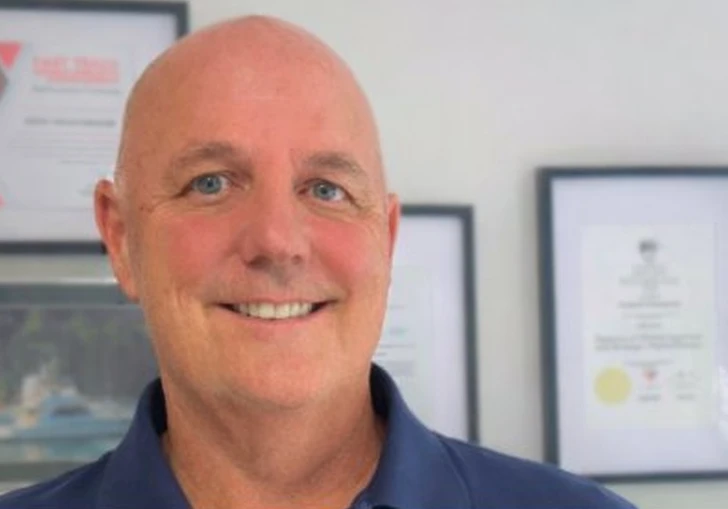
Rob Edmonds
Diploma of Clinical Hypnosis and Strategic Psychotherapy
Certified Neuro-Linguistic Programming Practitioner · ISPA member · ASCH member
Rob was nineteen and could not speak in front of a room. Not nervous, genuinely unable, and it was costing him exams. He tried something he had run out of reasons not to try, and it changed how he thought about the mind. That quietly shaped everything after it.
He trained at the Institute of Applied Psychology in Sydney and went on to create Cognitive Pattern Reprogramming, part of the MindShift Method. He creates every adult session in the library himself. Separately from the app, he offers individual Mindshift Method Cognitive Pattern Reprogramming sessions.


Rather talk it through with someone?
Rob Edmonds works one-to-one by video, anywhere in Australia or overseas. No referral needed. Start with a free 15 minute call.
These are individual sessions with Rob, a separate service from the app.
See how online sessions workQuestions Nurses Ask About Sleep and Switching Off
Why is it so hard to sleep after a night shift?
Sleeping after a night shift is hard because two things work against you at once. Your body clock reads daylight as time to be awake, and your head has been on alert for twelve hours, which does not stop just because the shift did. Worrying about how many hours you will get tends to keep the alert going.
How do I sleep during the day after a night shift?
Day sleep after a night shift usually goes better with sunglasses on the way home, a dark and cool room, coffee kept to early in the shift, and the household told your sleep times. Some nurses do better with a split sleep or a short nap before nights. If day sleep has been bad for months, see your GP.
How do I switch off from work stress after a shift?
Switching off after a shift is easier with something that marks the end of it: the same short routine every time, so your head learns the shift is over. Some nurses use a guided audio session for that. The MindShift sessions on this page are 20 minutes and designed to help you come down after work.
Is shift work sleep disorder real?
Shift work sleep disorder is a recognised sleep disorder in which working nights or rotating shifts leads to ongoing trouble sleeping or staying awake. Only a doctor can diagnose it. If you think you have it, see your GP. The MindShift sessions do not diagnose or treat it.
What are the signs of nurse burnout?
Nurse burnout is often described as feeling exhausted, numb or cynical about work, dreading the next shift days ahead, and finding that time off no longer helps. If that sounds like you, talk to your GP or Nurse & Midwife Support on 1800 667 877, which is free, confidential and open all hours.
Why do I dream about work after a shift?
Dreaming about work after a shift is something many nurses describe, especially after a hard run. A busy shift gives your head a lot to go back over, and some of that can carry into sleep. If it is happening often and leaving you unrested, raise it with your GP.
What is this, and who creates it?
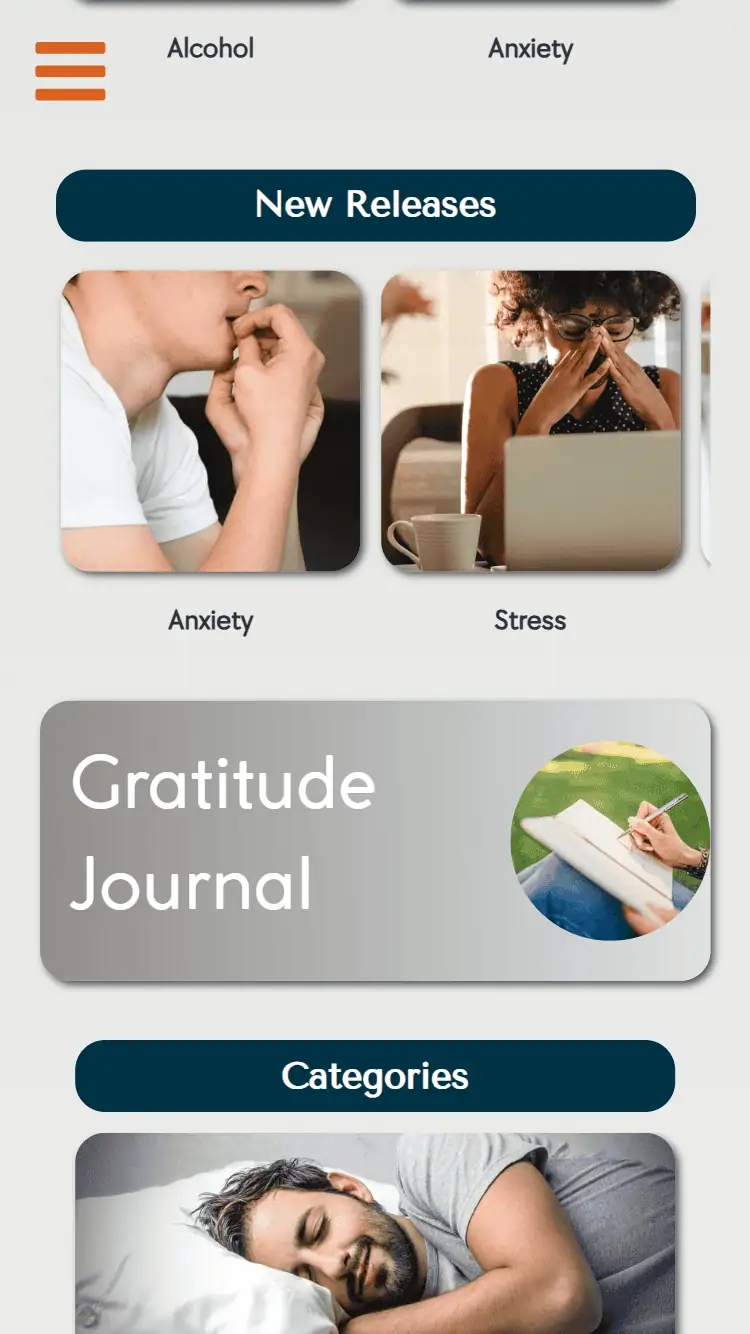
This page offers six guided audio sessions from the MindShift Mentors app, chosen for nurses and midwives coming off shift. They are self-guided wellbeing support you listen to on your own phone, 20 minutes each. Rob Edmonds creates every adult session in the library. He holds a Diploma of Clinical Hypnosis and Strategic Psychotherapy and is a Certified Neuro-Linguistic Programming Practitioner. The app does not diagnose, treat, cure or prevent any condition.
Is Cognitive Pattern Reprogramming hypnosis?
Clinical Hypnosis is one of the approaches Cognitive Pattern Reprogramming draws on, alongside Strategic Psychotherapy and Neuro-Linguistic Programming. Clinical Hypnosis is used to create a highly focused state of attention. While listening, you remain aware and in control, able to hear what is being said and respond if you choose.
Will anyone at my hospital know?
Nobody at your hospital is told you are using MindShift Mentors. It is your own membership on your own phone. Nothing goes through your employer, your ward or your manager, and it is not an EAP.
What happens after the seven free nights?
Nothing happens automatically after the seven free nights, because there is no card on file. One email gives you one free session for 7 nights. If you want to keep going, a membership is $29.95 a month or $299 a year, and that includes every session in the library. Cancel anytime.
The offer
One subscription. Every pathway.
One session free for 7 nights, no credit card. Subscribe and the whole library opens.
Monthly
Works out at $359.40 a year
Annual
The same as $24.92 a month. You keep $60.40.
That is about 82 cents a night, and you can start tonight.