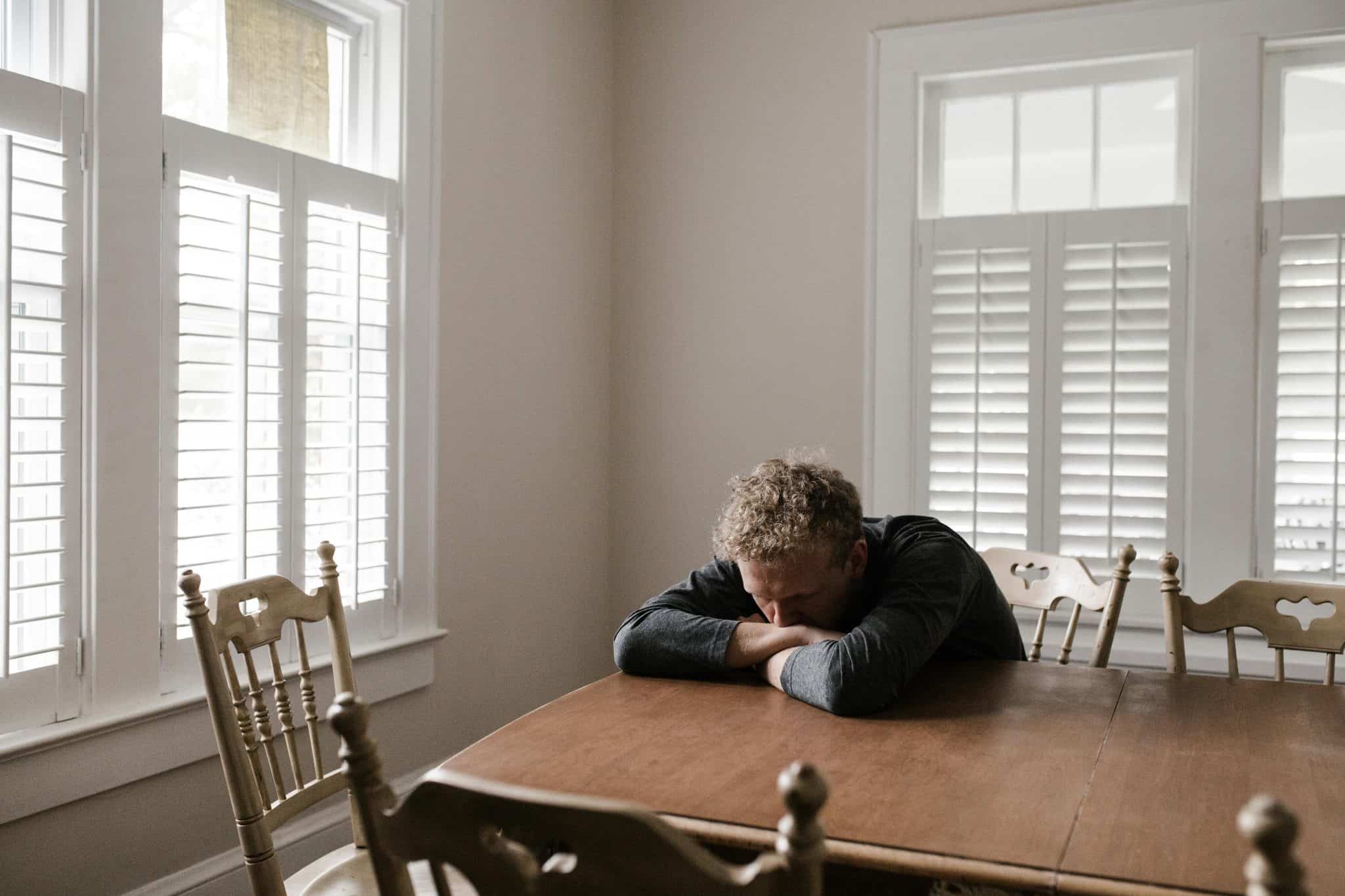

If you work shifts in an emergency or essential role, you may know this one. You finish a long shift, you are exhausted, and the moment you lie down your mind will not slow. You replay the day, you listen for the phone, you feel wired from adrenaline. Sleep problems like this are common among people who work nights, long hours or high-stress shifts, and they are not a sign of weakness.
This guide covers why sleep can be so hard to come by in emergency and essential roles, practical things many people find useful, and when it is worth getting help. It is general information, not medical advice.

Why Sleep Is So Difficult for Frontline Workers
Frontline and essential workers face several things at once that make good sleep harder than it is for most people. Understanding them is a useful first step.
Irregular shifts and the body clock
Most people sleep at night. Emergency and healthcare workers often work overnight, rotate between day and night shifts, or do long stretches back to back. That can pull your body clock, also called your circadian rhythm, out of step with the hours you are trying to sleep. When your work hours clash with your body clock, you can end up with insomnia when you are meant to sleep and heavy sleepiness when you need to be alert. A recognised version of this is shift work disorder, which a GP or sleep specialist can assess. The US National Institute for Occupational Safety and Health has a short overview of shift work and sleep.
Daytime sleep brings its own problems. Light, noise, phone calls and family life all get in the way, and even on days off many shift workers find their body is still set to the night.
Stress and adrenaline after a call
High-stress calls flood the body with adrenaline and other stress hormones. That response helps you perform, but it does not switch off the moment your shift ends. Many people describe coming home so keyed up that they cannot wind down, replaying the day or bracing for the next call. This kind of ongoing high alert, sometimes called hyperarousal, is widely discussed in sleep research as a contributor to insomnia.
Disturbing experiences and nightmares
Emergency and frontline work involves distressing events, and that can show up in sleep as nightmares, waking in a panic or dreading bedtime. Some people stay up late or have a drink to avoid it, which usually makes sleep worse over time. These are common human responses to difficult work, not signs of weakness. If nightmares or flashbacks are frequent or distressing, please talk to your GP or a psychologist, because trauma-focused therapies exist for exactly this.
Long hours, physical strain and second jobs
Long shifts, overtime and second jobs cut into the time you have to sleep. Resting in a station bunk or a break room tends to be light and broken, and the physical strain of lifting, heavy gear and long hours can mean aches that flare at night. Over time a sleep debt can build, and a weekend sleep-in does not always clear it. If you are too tired to drive home safely, rest first or arrange another way home.
Caffeine, alcohol and screens
Coffee and energy drinks get many people through a shift, but caffeine lingers for hours, and a late-shift energy drink can be the reason you are awake at 2am. Alcohol may make you drowsy, but it tends to disrupt sleep later in the night, so you can wake unrefreshed even after a long time in bed. Scrolling or watching TV is a common way to unwind after a shift, but bright screens close to bedtime can keep your brain alert, and a heavy meal late at night can get in the way too. None of this is unusual, and small changes can help.
Practical Ways to Sleep Better Around Shift Work
No single thing fixes shift-work sleep, and what helps varies from person to person. These are approaches many people find useful. They are general suggestions, not a substitute for advice from your doctor.
- Protect a sleep window. Treat sleep like part of the roster. Choose a regular block after your shift, let the people around you know it is off limits, and keep it as free from interruptions as you can.
- Keep it as consistent as your roster allows. Where you can, keep similar sleep and wake times, including on days off, so your body clock is not constantly readjusting.
- Make the room dark, cool and quiet. Blackout curtains or an eye mask, earplugs or a fan for white noise, and your phone on silent.
- Wind down after the shift. Give yourself 20 to 30 minutes of something low-key before bed, such as a warm shower, stretching, slow breathing or quiet music. Dim the lights and put screens away if you can.
- Park the day's thoughts. If you replay tough calls, jot them in a notebook and leave it outside the bedroom. Talking with a trusted colleague, friend or peer support officer can also take some weight off.
- Be strategic with caffeine. Keep it for the first part of your shift where possible. Many people stop several hours before they plan to sleep.
- Consider a short nap. If your workplace allows it, a planned nap of 20 to 30 minutes before a night shift or during a break may help alertness. Keep naps short and away from your main sleep.
- Use light to signal day and night. Some night workers find bright light when they wake, and sunglasses on the drive home, help their body clock adjust.

Regular movement, regular meals and keeping an eye on how much you drink tend to help too. If you are thinking about supplements such as melatonin, speak to your GP or pharmacist first, because timing and dose matter and they are not right for everyone.

When to Get Help, and Where
If you have tried the basics and you are still exhausted or cannot sleep, or sleep problems have lasted more than a few weeks, talk to your GP. They can look for causes such as sleep apnoea, whose signs include loud snoring, choking or gasping awake, and constant tiredness, and talk through your options.
A GP or sleep specialist may also suggest cognitive behavioural therapy for insomnia (CBT-I). It is a structured, short-term therapy that works on the thoughts and habits around sleep, and it is widely recommended for ongoing insomnia. If nightmares or trauma symptoms are part of the picture, a psychologist can talk you through trauma-focused options. Many workplaces offer an Employee Assistance Program (EAP) and peer support, so it is worth asking what yours has.
Decisions about sleep medication belong with your doctor. Please do not start, stop or change any medication or supplement without talking to them first.
It is also reasonable to raise fatigue with your supervisor. Tiredness is a safety issue as well as a health one, and your roster may have more flexibility than you think.

If you are struggling right now or having thoughts of harming yourself, please reach out:
- Lifeline: 13 11 14 (24/7)
- Beyond Blue: 1300 22 4636 (24/7)
- In an emergency: call 000
If you need help now
If you are in immediate danger or at risk of harming yourself, contact emergency services immediately.
Australia: Lifeline 13 11 14 | Emergency 000
USA: 988 Suicide & Crisis Lifeline | Emergency 911
UK: Samaritans 116 123 | Emergency 999
Where MindShift Fits
The MindShift Method uses Cognitive Pattern Reprogramming, a method created by our co-founder Rob Edmonds, who holds a Diploma of Clinical Hypnosis and Strategic Psychotherapy and is a Certified Neuro-Linguistic Programming Practitioner. Cognitive Pattern Reprogramming draws on Clinical Hypnosis, Strategic Psychotherapy and Neuro-Linguistic Programming. Clinical Hypnosis is used to create a highly focused state of attention. Within that state, Strategic Psychotherapy identifies and works with unhelpful patterns and is designed to help develop more useful ways of thinking, responding and behaving. Neuro-Linguistic Programming techniques may be used throughout to interrupt unhelpful patterns and anchor more useful responses. While listening, you remain aware and in control, able to hear what is being said and respond if you choose.
It is delivered as 15 to 20 minute guided audio sessions you can listen to whenever suits you, including before sleep. For frontline workers, it is aimed at the wound-up, cannot-switch-off feeling that can follow a shift. The sessions are designed to be repeated, and there is no fixed timeframe. People respond differently. You can read more about the method and the evidence, including what has and has not been tested.
Cognitive Pattern Reprogramming is not a treatment for insomnia, a sleep disorder, PTSD or any other condition. It does not diagnose, treat, cure or prevent anything. It is designed to work alongside your GP, psychologist or treating team, never instead of them. The Mindshift Method app provides self-guided cognitive and emotional wellbeing support. It is not a replacement for professional medical or psychological assessment, diagnosis or treatment. Results vary from person to person.
Do not listen to these sessions while driving, operating machinery or doing anything else that needs your full attention. If you are listening in a vehicle, it must be safely parked.
One session free for 7 nights · No credit card · $29.95/month unlocks all 50+ sessions · Cancel anytime.
This Will Not Suit Everyone
- It tends to suit frontline and shift workers who are coping, but who notice they are still wound up when it is time to sleep and want something structured to listen to alongside good sleep habits.
- Look elsewhere first if you may have sleep apnoea or another sleep disorder, if you are nodding off at work or at the wheel, if nightmares or flashbacks are frequent, or if you are in crisis. Your GP is the right first step, and the numbers above are there any time.
Common Questions
Why can I not sleep after a shift even though I am exhausted?
Sleep can be hard after a shift because your body can stay on high alert after a stressful or irregular shift. Adrenaline and other stress hormones take time to settle, and a shifted body clock means your body may not be ready for sleep when you are. It is a common response, not a lack of willpower.
What is shift work disorder?
Shift work disorder is a recognised sleep problem in people whose work hours clash with their body clock. It involves insomnia when you are meant to sleep and heavy sleepiness when you need to be alert. A GP or sleep specialist can assess it.
How much sleep do shift workers need?
Most adults are advised to aim for about 7 to 9 hours of sleep in every 24 hours, though needs vary from person to person. If you are regularly getting much less, it is worth looking at your roster and talking to your GP.
When should a frontline worker see a doctor about sleep?
A frontline worker should see a GP when sleep problems last more than a few weeks, when tiredness is affecting safety at work or on the road, or when there are signs of sleep apnoea such as loud snoring or waking up gasping. If nightmares or flashbacks are frequent, ask about a referral to a psychologist too.
Can Cognitive Pattern Reprogramming treat insomnia?
No. Cognitive Pattern Reprogramming does not diagnose, treat, cure or prevent insomnia, a sleep disorder or any other condition. It is self-guided audio designed to work alongside appropriate professional care, and some people use it as one part of winding down.
Is Cognitive Pattern Reprogramming hypnosis?
Yes. Clinical Hypnosis is one of the approaches used within Cognitive Pattern Reprogramming. Cognitive Pattern Reprogramming draws on Clinical Hypnosis, Strategic Psychotherapy and Neuro-Linguistic Programming. Clinical Hypnosis is used to create a highly focused state of attention. Within that state, Strategic Psychotherapy identifies and works with unhelpful patterns, and Neuro-Linguistic Programming techniques may be used throughout to interrupt unhelpful patterns and anchor more useful responses. The sessions are delivered as guided audio. While listening, you remain aware and in control, able to hear what is being said and respond if you choose.
When can I listen to the sessions?
You can listen to the sessions whenever suits you, and many people listen before bed. Do not listen while driving or operating machinery.
Rest Is Part of the Job
Sleep problems in frontline work are common, and they are not a personal failing. Small, steady changes to your wind-down and your sleep space can help, and so can getting the right support if things have gone on too long. If you have been struggling for a while, talking to your GP is a good place to start.