

Dyspraxia & DCD
Motor planning, coordination and the demands behind behaviour.
Everything on Dyspraxia & DCD
Start with the guide at the top, then work through the supporting articles underneath it.
 Dyspraxia & DCD
 Autism and DCD: Signs, Differences, and Mind-Body Support
Autism and DCD can look alike. The key signs of each, how they differ and overlap, how diagnosis works, and where emotional support fits alongside professional care.
Read the comparison Dyspraxia & DCD
 Living with Dyspraxia: How to Improve Daily Life with Supportive Therapies
Dyspraxia can make everyday jobs like tying laces, writing or following a routine take more effort than they look. What each kind of support is for, practical strategies, and where guided audio may fit alongside it.
Read the comparison Dyspraxia & DCD Dyspraxia in Children: Early Symptoms and Support Strategies
Dyspraxia in children, formally called developmental coordination disorder (DCD), is a lifelong difference in how the brain plans and carries out movement. Here are the early signs, who to see first, and the support that tends to help at home and school.
Read the comparison Dyspraxia & DCD
 Dyspraxia in Adults: Challenges, Coping, and Support Options
Dyspraxia in adults is a neurological condition that affects coordination, planning and everyday functioning. What it can look like for adults, the emotional side, practical strategies and support options in Australia.
Read the comparison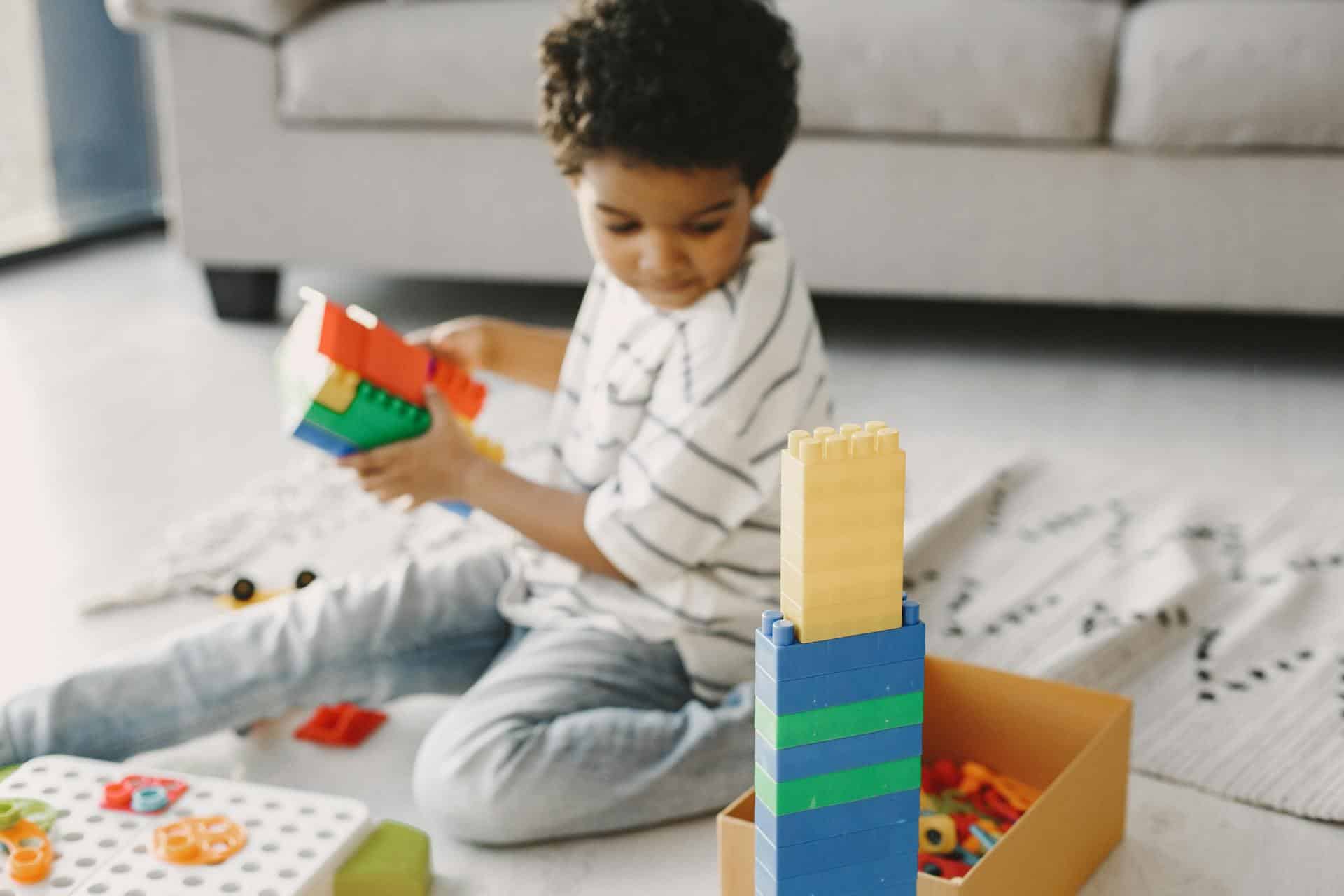 Dyspraxia & DCD
 Developmental Coordination Disorder (DCD): Signs, Diagnosis, and Management
Developmental Coordination Disorder (DCD) affects how children learn and carry out movement skills. The signs, how it is assessed in Australia, and the support that helps at home and school.
Read the comparison Dyspraxia & DCD
 Dyspraxia: Symptoms, Causes, and Supportive Treatments
Dyspraxia, also called developmental coordination disorder (DCD), affects movement, coordination and planning. The common signs, likely causes, the therapies used, and where self-guided support can sit alongside them.
Read the comparisonRelated topics
These patterns tend to travel together, so it is worth a look next door.
Trauma & PTSD
Hypervigilance, vicarious trauma and feeling safe again.
11 articlesADHD & Focus
Paralysis, distraction, emotional sensitivity and routines.
19 articlesBruxism & Jaw Tension
Grinding, clenching, morning jaw pain and hidden stress.
18 articlesSleep & Recovery
Racing thoughts, waking overnight, fatigue and recovery.
3 articles