
Dyspraxia in children, formally called developmental coordination disorder (DCD), is a lifelong difference in how the brain plans and carries out movement. A child may look clumsy, find handwriting hard, or take far longer than their peers to learn tasks like tying shoelaces or using cutlery. It is not a sign of low intelligence, and it is not a lack of effort.
Spotting the signs early matters because it opens the door to support at home and at school. This guide covers the early signs, who to see first, the strategies that families and therapists commonly use, and where Cognitive Pattern Reprogramming fits, which is alongside that support and never in place of it.
Cognitive Pattern Reprogramming is guided audio. It does not diagnose, treat, cure or prevent dyspraxia or DCD. If you are worried about your child, start with their GP or paediatrician.
What Is Dyspraxia in Children?
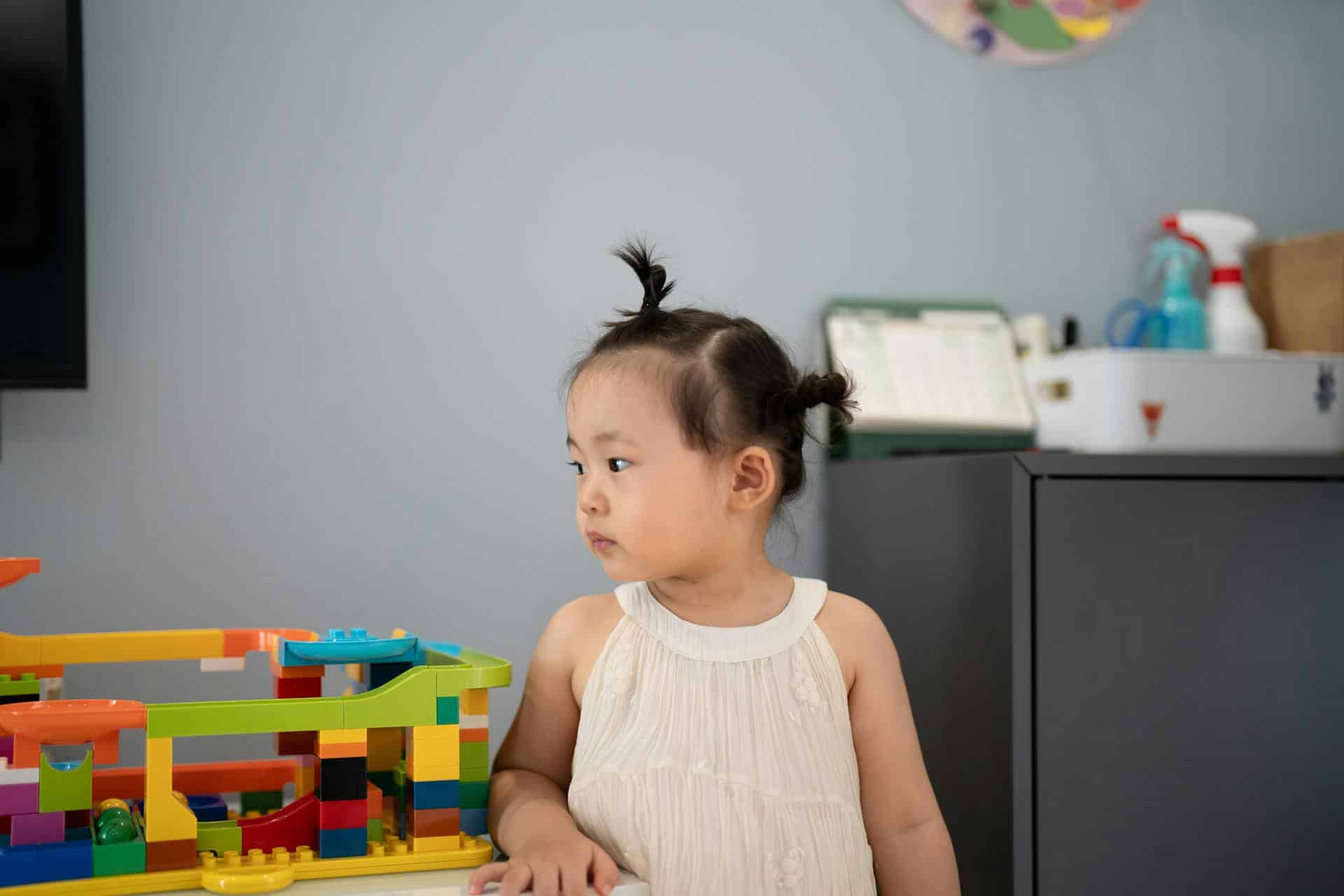
In Australia the formal diagnosis is usually developmental coordination disorder, and dyspraxia is the everyday name many families and teachers use for the same pattern. It affects how a child plans and performs physical movements. It often shows up as difficulty with balance, coordination or fine motor skills such as writing, using scissors or doing up buttons. Unlike a temporary delay, it is long term and can touch daily activities and friendships.
It helps to know how it differs from other conditions. ADHD is mainly about attention and impulse control, and autism involves differences in communication and social interaction. Dyspraxia is mainly about movement and coordination. Children can have more than one of these at once, and the signs can overlap, which is one reason a proper assessment matters.
Dyspraxia is not a sign of low intelligence. Children with dyspraxia can learn and do well like their peers. They often need extra support with physical coordination, and sometimes with speech. Seeing it that way helps parents and teachers focus on strategies that build confidence and independence.
Early Signs of Dyspraxia in Children
Children develop at different rates, so one sign on its own does not mean dyspraxia. What tends to stand out is a pattern that continues despite practice, across home, school and play. The signs often look like simple clumsiness at first.
Motor Skill Challenges
Everyday tasks such as tying shoelaces, using cutlery or riding a bike can take much longer to learn than they do for other children of the same age. Parents often see their child struggle even after plenty of practice, which is sometimes mistaken for laziness or lack of effort.
These challenges are linked to difficulty planning and carrying out movements, not to motivation or intelligence. Some children avoid physical tasks altogether because they feel embarrassed when they cannot keep up. With patience, structured practice and therapy support, many children build these skills over time, though progress is often slower than parents hope.
Handwriting and Fine Motor Delays
Fine motor skills are another area often affected. A child may find it hard to control a pencil or keep letters on the line, and drawing, colouring or cutting with scissors can be frustrating because their hands do not always follow what their mind has planned.
In the classroom this can add stress as written work becomes more demanding. Teachers may read messy handwriting as carelessness when it is actually a sign of dyspraxia. Larger pencils, writing aids, or typing on a computer can make a big difference to how a child shows what they know.
Balance and Coordination Problems
Children with dyspraxia often trip easily, bump into objects or look clumsy during play. Sports that need quick coordination, like catching a ball or running in a group, can feel overwhelming and discouraging.
Because of this, some children shy away from playground games or sport, which can limit both exercise and friendships. Breaking activities into smaller steps and keeping the pressure low can help a child take part without feeling left out. A physiotherapist can also work on balance and body control.
Speech and Language Issues
For some children, dyspraxia extends to speech. They may find it hard to form certain sounds, string words together or keep up with the flow of a conversation. This is not about vocabulary or understanding, it is about coordinating the muscles used for speech. Some children have a separate speech difficulty known as childhood apraxia of speech, and a speech pathologist can tell the two apart.
These difficulties can lead to misunderstandings with other children and a reluctance to speak in groups. Early assessment by a speech pathologist can help, and parents and teachers can support a child by being patient listeners and letting them speak at their own pace.
Difficulty Learning New Routines
Many children with dyspraxia need extra time to learn and remember routines. Getting dressed, brushing teeth or packing a school bag can turn into long, frustrating tasks. Other children may pick these up quickly, while a child with dyspraxia needs more practice and step-by-step guidance.
This is tied to how the brain organises and sequences tasks. A child may forget steps or lose track of what comes next, which can make mornings and school transitions stressful. Visual aids, checklists and consistent practice often help.
Emotional Impact
The emotional side of dyspraxia matters just as much as the physical signs. Struggling with things that look simple to others can lead to frustration and a sense of not being good enough. Over time this can lower confidence and make a child reluctant to try new things or join in.
Some children withdraw because they feel embarrassed about being different or slower than classmates. For many families this emotional strain is harder than the coordination difficulty itself. Encouragement, celebrating small wins and a supportive environment where a child feels safe to try all help.
Who to See First
If you notice a pattern of signs, a good first step is a visit to your child’s GP, who can check for other causes and refer on. Assessment is usually done by a paediatrician, an occupational therapist or a child psychologist, sometimes together with a speech pathologist or physiotherapist.
It also helps to talk with your child’s teacher. Schools can often put adjustments in place while an assessment is under way. Bring examples of what you are seeing, such as handwriting samples, and a short note about how long the difficulties have continued.
Support Strategies for Children with Dyspraxia

Dyspraxia does not go away, but there are many ways to support a child’s development. Most of them focus on practising coordination, building fine motor skills and looking after confidence. A mix of therapy, consistent encouragement and school adjustments works well for many families, and results vary from child to child.
Occupational Therapy
Occupational therapy is a common first-line support. An occupational therapist helps children build the skills they need for daily living, such as dressing, feeding and writing, often by breaking complex tasks into smaller steps. They use structured, playful activities such as puzzles, crafts and games to build fine motor skills, and parents are usually shown exercises to use at home.
Physiotherapy
A physiotherapist can help with strength, posture and overall body coordination. Targeted exercises, obstacle courses, balance boards and stretching in a safe and encouraging setting can build balance and body control. As a child feels more capable in their body, they are often more willing to join in sport and playground games.
Classroom Adjustments
School is often where dyspraxia is most visible, so classroom support matters. Teachers can offer extra time for writing tasks, access to a laptop or tablet, and seating that reduces distraction. Clear instructions, step-by-step demonstrations and patience all help. When parents, teachers and therapists share the same strategies, a child gets consistent support across settings.

Support at Home
- Keep routines predictable. A set order for getting dressed, brushing teeth or packing a bag takes pressure off memory and planning.
- Use visual aids. A chart or checklist on the wall can guide a child through each step.
- Break tasks into small steps. One instruction at a time, then the next.
- Allow extra time. Rushing tends to make coordination harder.
- Celebrate small wins. A shoelace tied or a few legible sentences written is worth noticing.
Emotional and Social Support
Children with dyspraxia often carry frustration and low confidence. A school counsellor or a psychologist can help a child put feelings into words and build coping strategies, and peer or family groups can show a child they are not alone. Safe group activities in understanding settings give practice with communication and teamwork, and can ease feelings of isolation.
Causes and Risk Factors of Dyspraxia in Children
The exact cause is not fully understood. Research points to differences in brain development that affect how messages travel from the brain to the muscles, making it harder to plan, sequence and carry out coordinated movements. It is about how the brain organises action, not about muscle weakness.
Some factors are associated with a higher likelihood, including premature birth, low birth weight and a history of developmental delay. It can also run in families. These are associations, not causes, and dyspraxia can appear in any child whatever their background. Knowing this lets parents and doctors keep an eye on development and look into concerns early.
How Dyspraxia Affects Daily Life
At home, children may struggle with dressing, brushing teeth or organising a school bag. These tasks come naturally to many children and take more time and patience for a child with dyspraxia. Mornings and bedtimes can be especially stressful without structure.

At school, handwriting difficulties make assignments harder to finish, and poor coordination can limit sport and playground games. Group tasks can feel overwhelming and sometimes embarrassing, which can affect self-esteem if a child feels different from classmates.
Friendships can be affected too. Clumsiness, trouble keeping up in games or speech difficulties sometimes lead to teasing or misunderstandings, and over time a child may pull back from social situations. Therapy, classroom adjustments and an understanding home can all help a child feel more confident around others.
The Role of Parents and Teachers
Parents can provide structure by breaking routines into smaller steps, using checklists, and offering practice with patience and praise. Teachers can allow extra time, give clear step-by-step instructions, and offer tools such as computers or pencil grips. Small adjustments often reduce stress and let a child show what they know.
Regular communication between parents, teachers and therapists keeps everyone working from the same plan and means a child gets consistent support in every setting.
Long-Term Outlook for Children with Dyspraxia
Dyspraxia is lifelong, but it does not define a child’s future. With early recognition, ongoing support and encouragement, many children and young people find ways to manage the day-to-day challenges. Progress is usually gradual rather than sudden, and it looks different for each child.
As children grow, many develop their own workarounds. A child who struggled with handwriting may rely on typing, and one who found team sport overwhelming may enjoy swimming or cycling. Dyspraxia may not disappear, but with the right support many people with it lead independent, fulfilling lives.
Emotional wellbeing plays a big part in how this goes. Children who get patience, encouragement and understanding from the adults around them tend to feel better about their strengths, and a child who feels supported is usually more willing to keep practising.
Where Cognitive Pattern Reprogramming Fits
Most of the support above is practical and hands-on, and it is the foundation. Cognitive Pattern Reprogramming is a different kind of support, aimed at the emotional side that often comes with dyspraxia: frustration, worry and confidence.
Cognitive Pattern Reprogramming is an integrated method drawing on Clinical Hypnosis, Strategic Psychotherapy and Neuro-Linguistic Programming throughout each session. Clinical Hypnosis creates a highly focused state of attention. Within that state, Strategic Psychotherapy identifies and works with unhelpful patterns and is designed to help develop more useful ways of thinking, responding and behaving. NLP techniques are used throughout to interrupt unhelpful patterns and anchor more useful responses. A person can remain aware and in control while in trance. You can read more on the How It Works page.
It was created by Rob Edmonds, who holds a Diploma of Clinical Hypnosis and Strategic Psychotherapy, is a Certified Neuro-Linguistic Programming Practitioner, and is a member of the International Strategic Psychotherapists Association and the Australian Society of Clinical Hypnotherapists.
Here is what that means for a family living with dyspraxia:
- It does not diagnose, treat, cure or prevent dyspraxia or DCD. It does not teach or replace motor skills practice.
- It sits alongside your child’s care. It is designed to work alongside their GP, paediatrician, occupational therapist, physiotherapist, speech pathologist and psychologist, never in place of any of them.
- A parent or carer stays involved. Most of the MindShift library is written and voiced for adults. If a session is listed for children, a parent or carer should check it first, listen with the child, and talk to the child’s GP, paediatrician or occupational therapist before starting.
- There is also support for you. Looking after a child with dyspraxia is tiring. The library includes sessions listed for parents, and those are for you rather than your child.
- Sessions are designed to be repeated. There is no fixed timeframe, and people respond differently.
Rob also works with children one-to-one at his practice in Forster, always with a parent or carer in the room for the whole session. That is a separate service from the audio library, and you can read about it on the Forster and Tuncurry page.
This Will Not Suit Everyone
Guided audio asks someone to sit still and focus for 15 to 20 minutes, and that is hard for some children, particularly younger ones. It is not a substitute for a diagnosis, for therapy, or for school support. It is probably not the right starting point if you do not yet have an assessment, or if the main difficulty is physical, such as coordination or speech, rather than emotional.
Seek help sooner if your child seems very distressed, withdrawn, or is talking about hurting themselves. Start with your GP. Kids Helpline (1800 55 1800) offers free, confidential counselling for children and young people, and Lifeline (13 11 14) is there for parents and carers. In an emergency, call 000.
Frequently Asked Questions
What is dyspraxia in children?
Dyspraxia in children, formally called developmental coordination disorder (DCD), affects how the brain plans and carries out movement. It shows up as difficulty with balance, coordination and fine motor skills. It is not a sign of low intelligence, but it can affect learning and daily tasks.
What are the first signs of dyspraxia?
Early signs can include clumsiness, trouble with tasks such as dressing or using cutlery, and being slower than other children to learn skills like riding a bike. Children develop at different rates, so a pattern that continues despite practice is more telling than any single sign. If you are worried, see your GP.
Can dyspraxia affect speech?
Yes, for some children. They may find it hard to coordinate the muscles used for speech, which can make words and sentences less clear. A separate condition called childhood apraxia of speech can look similar, and a speech pathologist can tell them apart.
Is dyspraxia the same as ADHD or autism?
No. Dyspraxia mainly affects movement and coordination, ADHD mainly affects attention and impulse control, and autism involves differences in communication and social interaction. A child can have more than one, and the signs can overlap, so a proper assessment is worthwhile.
How is dyspraxia diagnosed in Australia?
A GP is usually the first stop and can refer your child on. Assessment is typically done by a paediatrician, an occupational therapist or a child psychologist, sometimes with input from a speech pathologist or physiotherapist, after a developmental assessment.
Will my child outgrow dyspraxia?
Dyspraxia is lifelong, so children do not usually outgrow it. Many children and young people learn strategies that make daily life easier as they grow, and support from therapists, school and family can help. How this goes varies a lot from child to child.
Can Cognitive Pattern Reprogramming help my child with dyspraxia?
Cognitive Pattern Reprogramming does not diagnose, treat, cure or prevent dyspraxia, and it does not teach or replace motor skills practice. It is guided audio designed to support the emotional side, such as frustration and confidence, alongside the care your child already has. Most of the library is written for adults, so a parent or carer should stay involved and talk to your child’s GP, paediatrician or occupational therapist first.
Is Cognitive Pattern Reprogramming suitable for every child?
No, and we cannot say it is right for any particular child. Some children find it hard to sit and focus for a session, and every child is different. It is designed to sit alongside medical, therapy and school support, never to replace it. A parent or carer should always stay involved.
How can parents best support a child with dyspraxia?
Keep routines predictable, use visual checklists, break tasks into small steps, allow extra time and celebrate small wins. Work with your child’s therapists and teachers so everyone uses the same strategies, and look after your own wellbeing too.
Browse the twelve MindShift pathways to find the guided audio sessions closest to what you are dealing with. You can try one session free for 7 nights, no credit card.