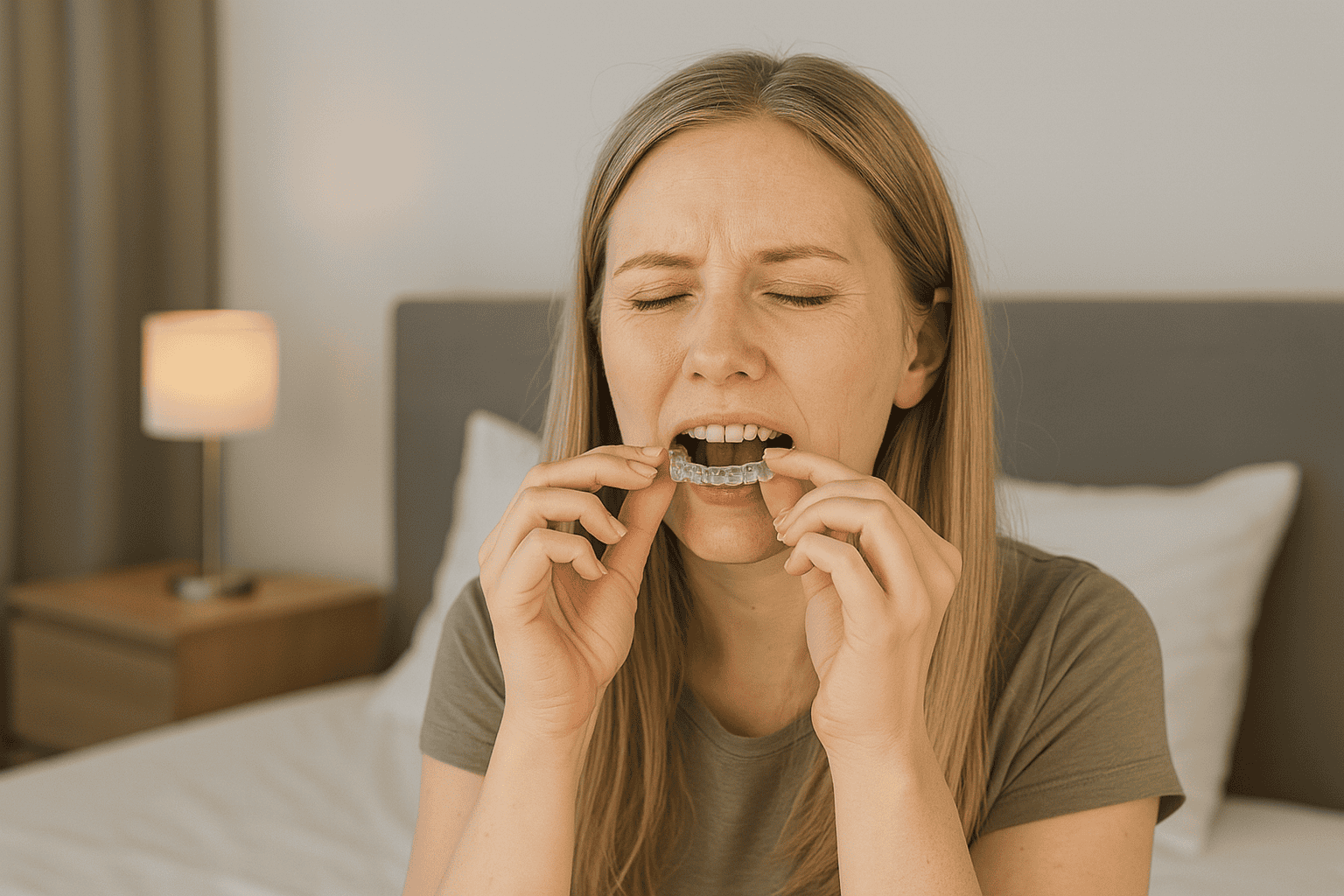

If you grind or clench your teeth, a mouthguard is usually the first thing anyone suggests, and for good reason: it is the one thing that protects the teeth while the grinding is still happening. Which guard, though, is a real question, and the answer depends on how heavily you grind and what your dentist can see in your mouth.
This page covers what bruxism and TMJ are, what happens if grinding is left alone, and how the three kinds of mouthguard differ. It also covers how to pick one, what a guard does and does not do, and where Cognitive Pattern Reprogramming fits for the stress side of it.
What Are Bruxism and TMJ?
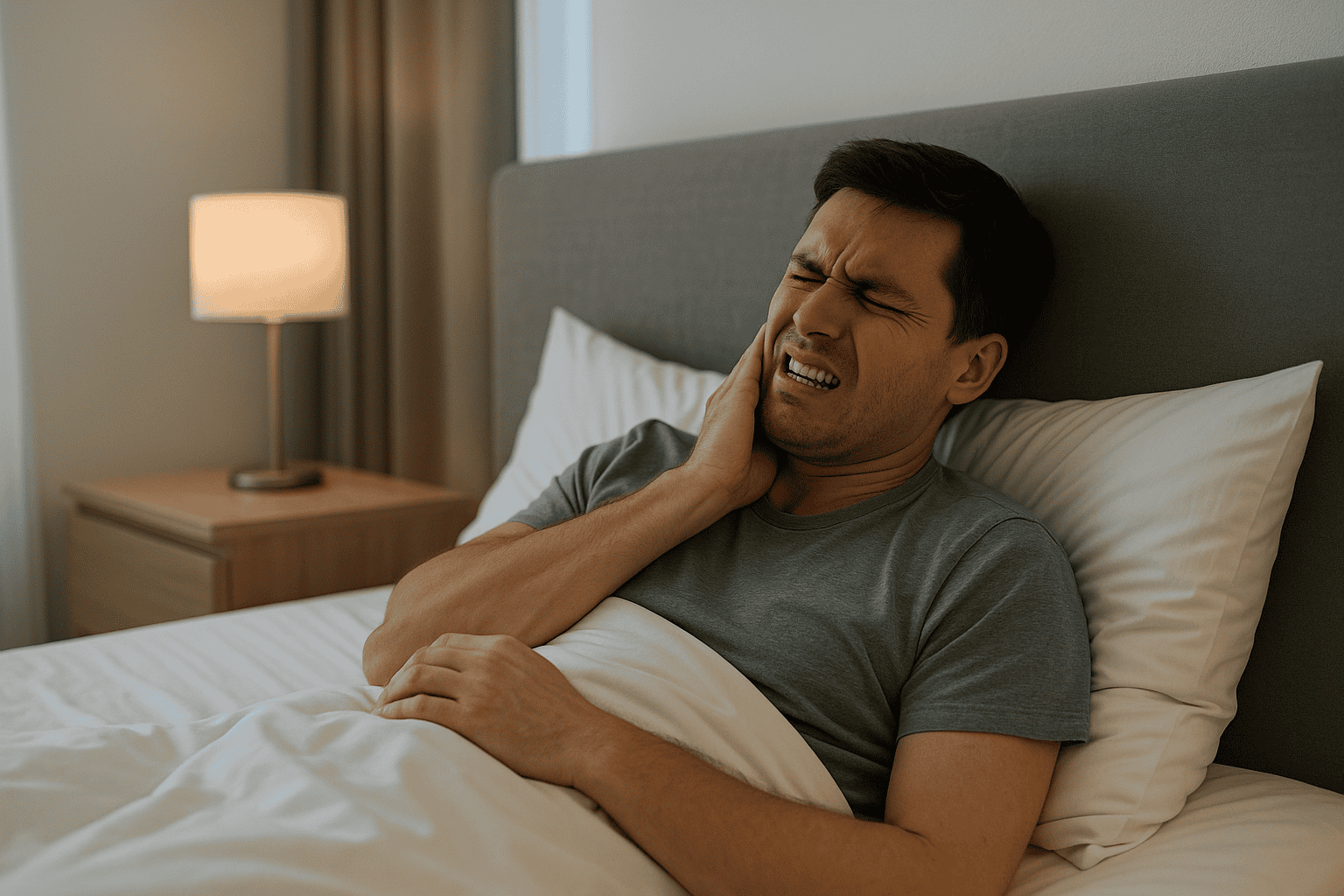
Bruxism is the involuntary grinding or clenching of teeth, often during sleep but sometimes while awake. Many people experience it during stressful periods without even realising it, waking up with jaw pain, headaches, or worn-down teeth. Common triggers include anxiety, sleep disorders, certain medications, and lifestyle habits like excessive caffeine or alcohol. Over time, this repeated pressure can damage teeth and strain jaw muscles, leading to more serious complications if left unaddressed.
TMJ refers to the temporomandibular joint, which connects your jawbone to your skull. TMJ disorder (or TMD) occurs when this joint or the surrounding muscles become irritated, causing pain, jaw stiffness, clicking sounds, or difficulty moving the jaw. Bruxism is a major contributor to TMJ issues, creating a cycle where grinding worsens joint strain, and jaw discomfort increases the urge to clench. Because the two conditions are closely linked, addressing both together is key for long-term relief.
Symptoms and Risks of Untreated Teeth Grinding and Jaw Tension
Bruxism and TMJ disorders can cause a variety of uncomfortable symptoms. Being aware of these signs can help you catch the problem early:
- Signs of Bruxism (Teeth Grinding): People who grind or clench their teeth often experience dull headaches or facial pain (especially in the morning), earaches, sore jaw muscles, and even ringing in the ears (tinnitus). You might have pain while chewing or difficulty opening your mouth fully. Many bruxism sufferers also notice their teeth becoming flattened, chipped, or overly sensitive due to the constant grinding pressure. If you have a bed partner, they may hear you making grinding noises at night. Over time, bruxism leads to noticeable dental wear: you might see worn-down tooth enamel, cracks in your teeth, or even loosened teeth.
- Signs of TMJ Disorder: TMJ issues typically manifest as jaw pain or tenderness (often near the ear or jaw joint area), stiffness or locking of the jaw, and popping or clicking sounds when you open or close your mouth. You may have difficulty chewing or feel like your bite is “off” (your teeth don’t fit together properly). TMJ disorders can also cause frequent tension headaches or even migraines, neck and shoulder pain, and ear-related symptoms like earaches or a sense of fullness in the ear. Some people with TMD experience dizziness or hearing issues like tinnitus (ringing) or mild hearing loss, due to the jaw joint’s proximity to the ear structures. If you find it painful to yawn, chew, or if your jaw occasionally locks open or shut, these are strong indicators of a TMJ problem.
It’s crucial to address bruxism and TMJ early because both can lead to serious long-term consequences if left untreated. Chronic teeth grinding wears down enamel, causing sensitivity, chips, cracks, or even tooth loss often requiring costly dental work. It can also trigger or worsen TMJ disorders, leading to persistent jaw pain, facial tension, and headaches. TMJ dysfunction, when ignored, may progress to radiating pain in the neck and shoulders, difficulty chewing or speaking, and irreversible joint damage or misalignment.
In severe cases, it can even affect hearing and balance, and disrupt sleep through pain-induced insomnia or fatigue. Both are manageable, and the usual first step is a mouthguard, which cushions your teeth and relieves pressure on the jaw. In the next sections, we’ll explore the types of mouthguards available and how to choose the best one for lasting bruxism and TMJ relief.
Types of Mouthguards for Bruxism and TMJ
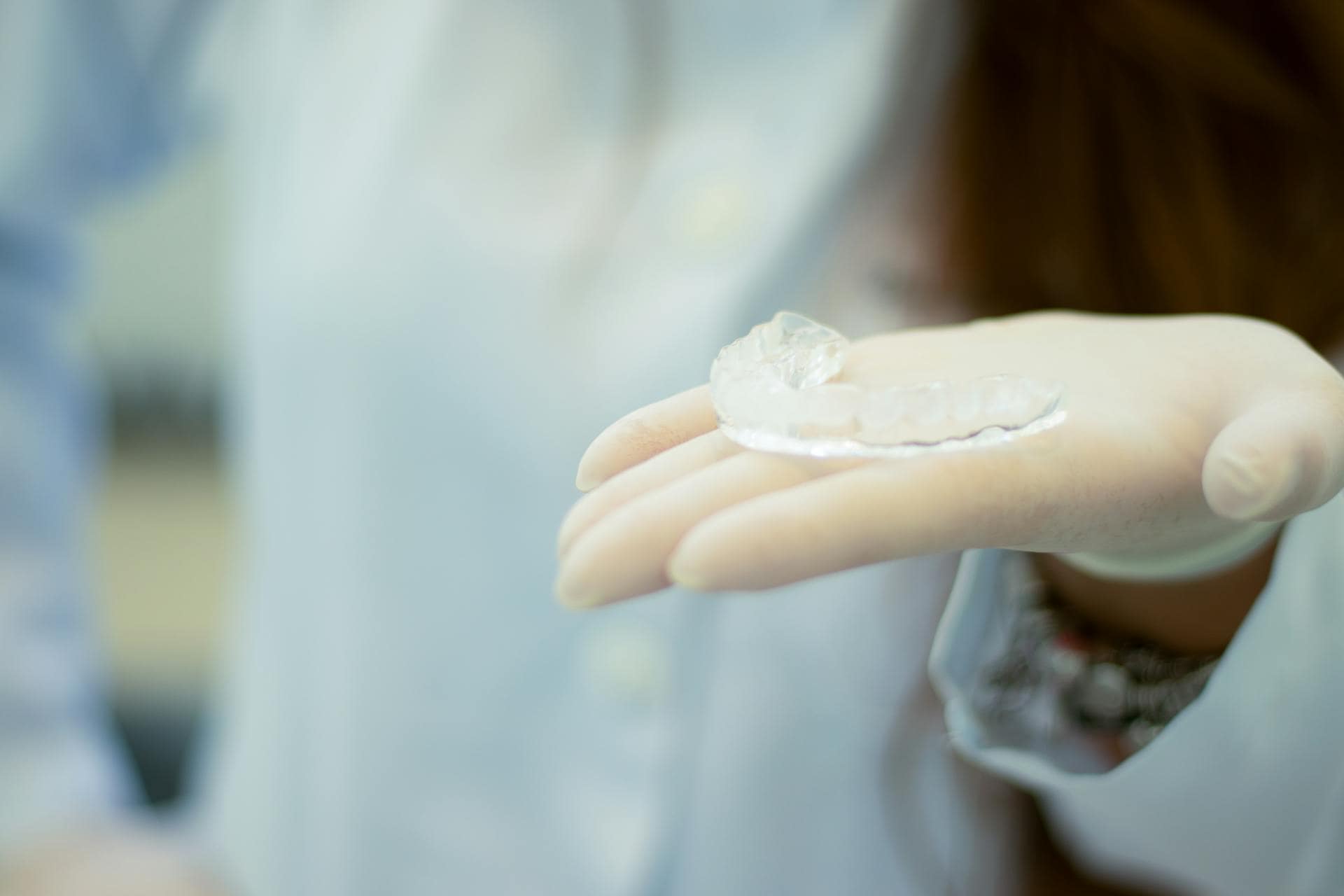
Not all mouthguards are created equal. There are several types of mouthguards and dental splints designed to help with teeth grinding and jaw problems. The main categories include over-the-counter guards (which encompass both stock and boil-and-bite styles) and custom-fit guards made by a dentist. Understanding the differences will help you decide which is best for your situation:
Over-the-Counter Stock Mouthguards
These are the most basic, “one-size-fits-all” mouthguards you can buy at a drugstore or sporting goods store. A stock mouthguard comes pre-formed in a standard shape and you wear it straight out of the package (there’s no moulding process). The upside is that they’re inexpensive and readily available. However, stock guards tend to have a poor fit because they aren’t tailored to your teeth. They’re often bulky and may feel uncomfortable or loose.
Since they don’t stay snugly on your teeth, you might have to bite down to keep them in place, which isn’t ideal – it can even encourage more clenching. Stock guards usually are made of a soft, rubbery plastic and offer only minimal protection. They might be fine as a very short-term solution or for casual sports use, but for serious bruxism or TMJ issues, stock mouthguards generally do not provide the level of protection or comfort you need.
Boil-and-Bite Mouthguards
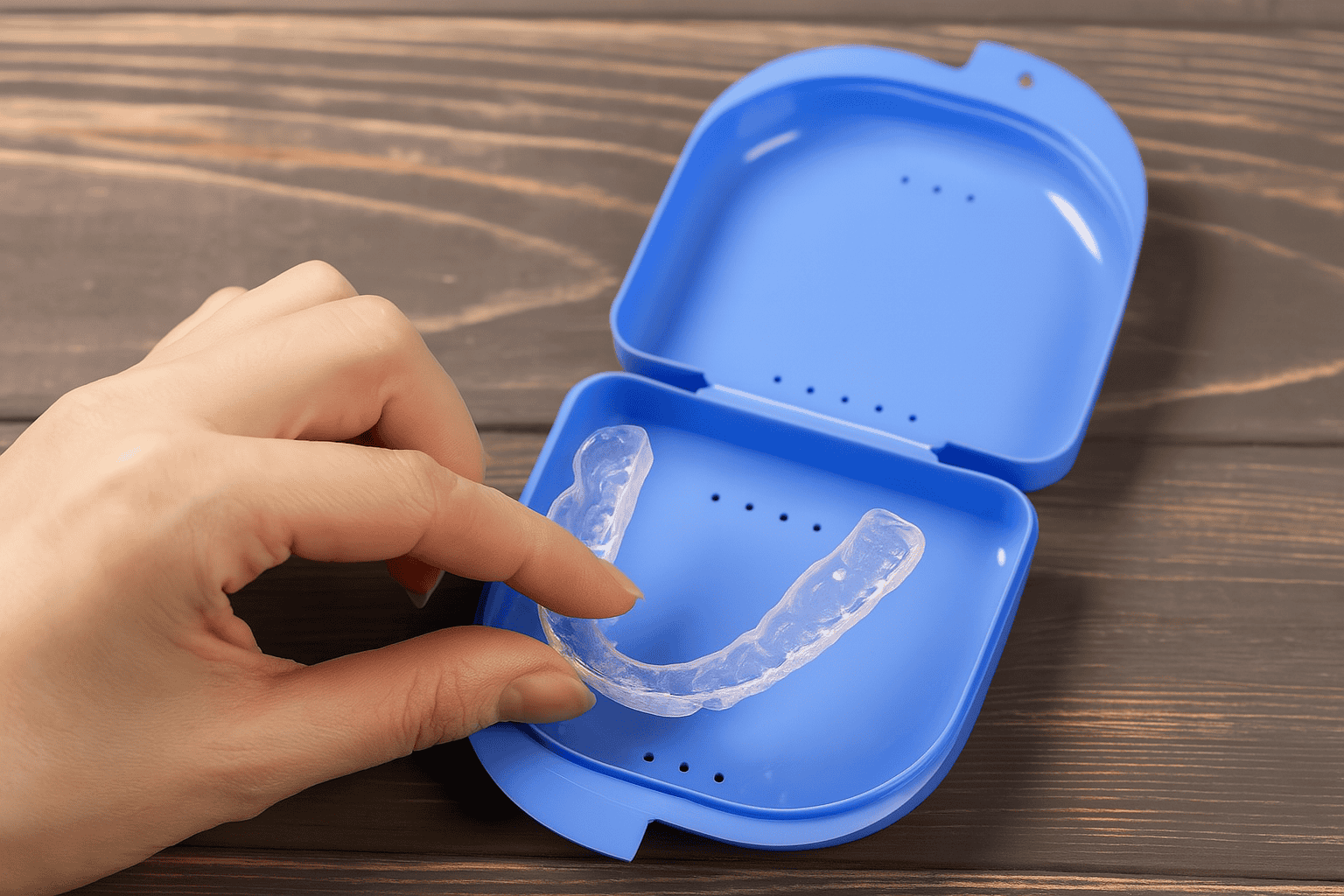
Boil-and-bite guards are another over-the-counter option, but with a better fit than stock ones. They are made from a thermoplastic material that softens when heated in boiling water. To use one, you boil it for a specified time to soften it, then let it cool slightly and bite into it so it moulds to the shape of your teeth. This creates a semi-custom impression of your bite. Boil-and-bite guards are affordable and easy to fit at home, making them a popular choice for mild to moderate teeth grinding. They do offer a more precise fit than off-the-shelf stock guards, since they conform to your teeth shape.
However, they are not as precise or durable as a true custom-fit guard. The fit and thickness might not be perfect, especially if the moulding process is not done just right. Boil-and-bite guards can be a good starting point for someone who needs quick relief or wants to try a mouthguard without the expense of a custom one. Many drugstore night guards are of this type. Just keep in mind that the material can wear down faster, and if your grinding is heavy or your TMJ symptoms are severe, you may eventually need a more robust solution.
Custom-Fit Mouthguards (Dental Night Guards)
A custom mouthguard is professionally made by a dentist or a dental lab based on an impression of your teeth. This means it’s specifically tailored to fit your unique dental anatomy, covering your teeth with the right thickness and shape for optimal protection. Custom night guards are usually made of high-quality acrylic or dual-laminate materials that can withstand heavy grinding. Because they are moulded to your bite, they tend to be much more comfortable and secure than over-the-counter options.
Custom guards also offer the best protection against bruxism – they can significantly reduce tooth wear and often help dampen the force on your jaw joints. In fact, dentists often consider a custom night guard a first line of defence for serious grinding or TMJ disorders. Another advantage is durability: a well-made custom guard can last for several years with proper care, whereas cheaper guards might need replacing in a few months. The main downside is cost – custom mouthguards are more expensive upfront because of the dental visits and lab work involved. They also take time to produce (usually a couple of weeks after your dentist takes moulds of your teeth).
However, if you have significant bruxism or TMJ pain, the investment is often worth it for long-term comfort and protection. Custom appliances can also be designed for specific needs; for example, there are special TMJ splints or repositioning guards that not only protect the teeth but also adjust the jaw position to relieve pressure on the TMJ.
In summary, over-the-counter guards (stock or boil-and-bite) can be a convenient and budget-friendly starting point for mild cases, but custom-fitted guards from a dentist provide superior fit, comfort, and protection – especially important if you have moderate to severe bruxism or significant TMJ issues. Some people even start with a boil-and-bite guard to see if it helps their symptoms, then upgrade to a custom guard for long-term use. Next, we’ll discuss how to evaluate these options and choose the best mouthguard for your specific situation.
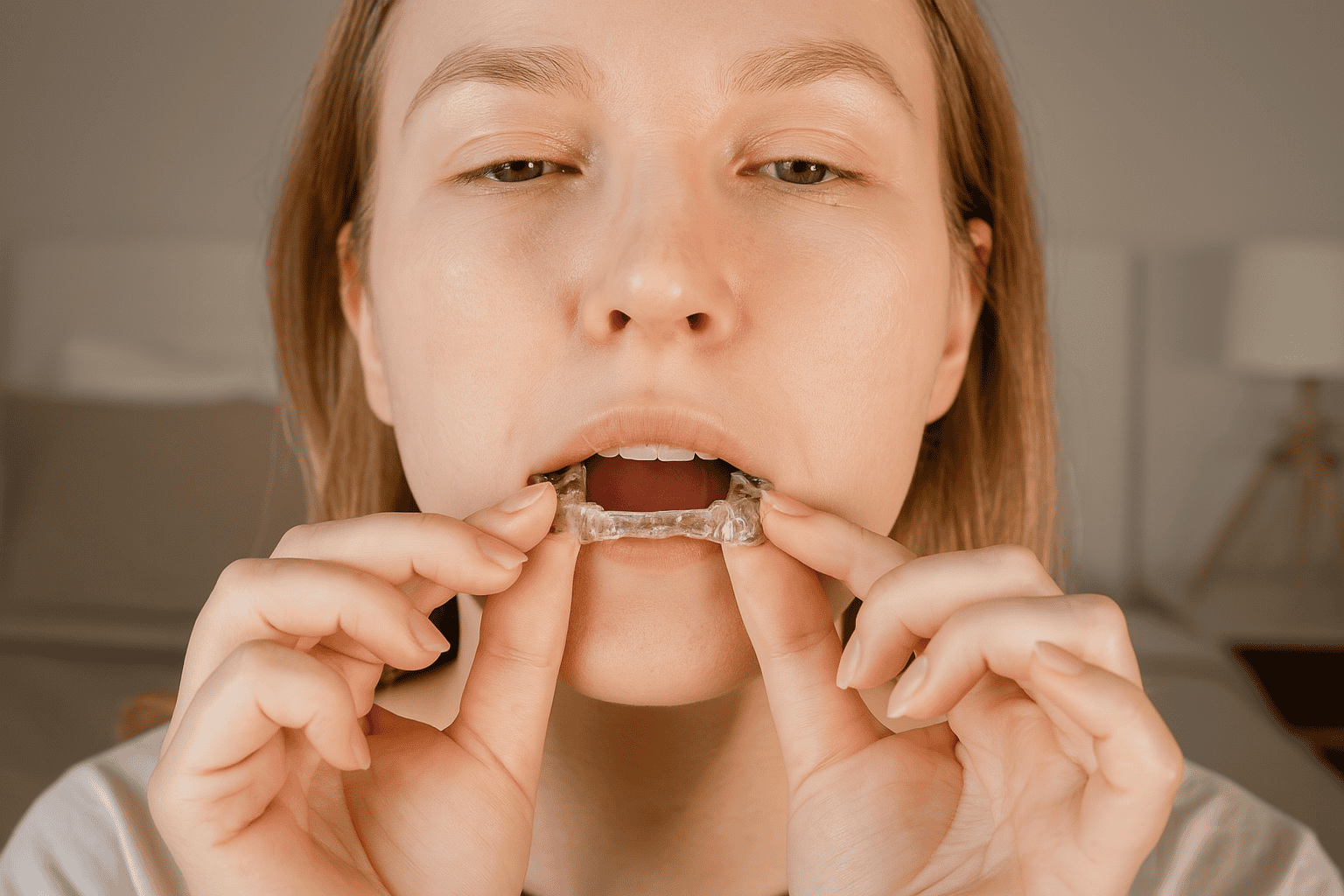
How to Choose the Best Mouthguard for Bruxism and TMJ Relief
Choosing the right mouthguard is crucial for getting relief. Here are key factors and tips to help you decide on the best mouthguard for bruxism and TMJ relief in your case:
Comfort and Fit
Above all, the mouthguard must feel comfortable enough that you’ll actually wear it consistently. A poor-fitting guard can be a deal-breaker – if it makes you gag, rubs your gums, or constantly slips, it could end up causing more irritation (or you’ll just stop using it). Custom-fit guards generally offer the highest comfort because they’re moulded to your teeth. Boil-and-bite guards can be reasonably comfortable if fitted well, but they may still feel a bit bulky or not perfectly snug.
If you have braces, missing teeth, or other dental work, a custom guard is usually the safest bet (store-bought guards might not accommodate these conditions). Remember, you need to wear the guard ideally every night (or as directed), so comfort is not a luxury – it’s a necessity for compliance.
Severity of Grinding or Clenching
Consider how intense your bruxism is. Do you regularly wake up with jaw pain or find your teeth noticeably worn? If you’re a heavy grinder or clencher, a thicker, more durable guard (often a hard acrylic custom guard or a dual-laminated guard) may be required to withstand the force. Those with mild bruxism might do fine with a softer or thinner guard. Your dentist can assess the level of wear on your teeth to gauge how severe your grinding is.
If you have frequent jaw pain or TMJ symptoms, lean towards a professionally made guard, as it can be adjusted to ensure your jaw is in a favorable position. A custom guard can be designed to slightly reposition your jaw or provide more cushioning on problem areas, which can help reduce TMJ muscle strain.
TMJ-Focused Features
If TMJ relief is a major goal (for example, you have diagnosed TMD or significant jaw joint pain), ask about a TMJ splint or a guard that’s made specifically for TMJ disorders. These may be crafted to guide your jaw into a more relaxed position or prevent certain movements that aggravate the joint. Some custom TMJ appliances are even worn on the lower teeth rather than the upper, depending on what reduces your symptoms.
A specialised design like the NTI-tss (a small guard that sits on the front teeth) is sometimes used to reduce clenching intensity and is prescribed for severe cases of TMJ or tension headaches. Consultation with a dentist or TMJ specialist will help determine if you need something more tailored than a standard night guard. Generally, any well-fitted night guard will help by creating a cushion and reducing pressure on the jaw joint, but severe TMJ cases might benefit from a custom solution made by a practitioner experienced in TMD.
Material and Thickness
Mouthguards come in different materials – from soft flexible rubber to hard acrylic plastic, or a combination in between. Softer guards can feel gentler and work for mild grinding, but they may wear out faster or even encourage chewing (some heavy grinders actually chew into soft guards, damaging them quickly). Hard acrylic guards are very durable and effective for protecting teeth, but some people find them initially less comfortable (they don’t have “give” like a soft guard). Dual-laminate guards try to offer a balance: a soft inner layer against your teeth for comfort, with a hard outer layer for strength.
When choosing, consider your comfort preference alongside how much force you exert when grinding. If you’re unsure, a dentist can recommend the appropriate material after evaluating your grinding habit. Also, note that thicker guards generally last longer and protect better for heavy grinding, but a very thick guard might feel intrusive. There are thin, 1-2 mm guards marketed for comfort (often for daytime clenchers who still need to talk), versus thicker 3+ mm guards for nighttime severe grinders. Pick one that balances protection with comfort.
Cost and Longevity
Budget is a practical consideration. Over-the-counter guards are cheapest, while a custom dental night guard can range from roughly $150 to $500+ depending on where you live and insurance. There are also mail-order custom guard services these days that are less expensive than getting one through a dentist, though quality can vary. When weighing cost, factor in longevity. A cheap guard that you have to replace every few months might end up costing more in the long run than a one-time purchase of a durable custom guard.
Custom guards typically last several years, whereas many store-bought guards might need replacement within months due to wear and tear. If you grind heavily, you may go through soft guards quickly. Therefore, invest in the best quality you can afford for the level of grinding you have. It’s your teeth and health at stake – preventing costly dental damage with a good guard is often worth it.
Consulting a Professional
If possible, see a dentist for advice when choosing a mouthguard. They can examine your teeth and jaw, and they might spot issues (like misalignment or dental work) that influence what type of guard you need. A dentist can also ensure that your mouthguard – whether custom or boil-and-bite – fits correctly and isn’t causing any bite problems.
In some cases, a dentist may adjust a guard by grinding down certain spots or ensure your jaw alignment is correct when the guard is in. This is particularly useful for TMJ patients, where the exact positioning of the guard can make a difference in pain relief. Don’t hesitate to ask your dentist to evaluate an over-the-counter guard you’re using – they can tell if it’s adequate or if you’d benefit from upgrading to a custom one.
Avoiding the Wrong Guard
Using the wrong type of mouthguard can backfire. For instance, wearing a very soft, non-durable guard might actually increase chewing or clenching motion in some people, potentially making grinding worse. Similarly, a poorly fitting guard might create new soreness or not protect the right areas. That’s why custom, dentist-approved materials are recommended whenever possible. Cheap drugstore guards that are not medical-grade could deform quickly or harbor bacteria if not cleaned, leading to mouth irritation.
Make sure whichever guard you choose is BPA-free and designed for long-term oral use. If you have sleep apnea or heavy snoring, consult a doctor before just using a generic mouthguard – certain mouthguards can inadvertently worsen sleep apnea if they’re not the correct type (there are special mandibular advancement devices for sleep apnea, which is a different design).
In short, choose a mouthguard that you will wear consistently, that fits your dental condition, and that effectively protects your teeth and jaw. For many, a custom-fitted night guard from a dentist is the optimal solution for bruxism and TMJ relief. It provides peace of mind that your teeth are safe from grinding damage and your jaw is getting some relief at night. But remember that a mouthguard, while extremely useful, is usually a way to manage the symptoms of bruxism/TMJ.
It’s like wearing a helmet to protect your head – necessary, but you also want to stop banging your head against the wall in the first place. In the next section, we’ll explain how mouthguards actually work to relieve bruxism and TMJ, and then discuss why you might need more than just a guard to truly solve the problem.
How Mouthguards Provide Relief for Bruxism and TMJ
Mouthguards (or night guards) can be lifesavers for those with bruxism and TMJ issues. Here’s how they help with both conditions:
Protecting Your Teeth
The most immediate benefit of a mouthguard for a bruxism sufferer is protecting the teeth from the grinding forces. The guard acts as a physical barrier between your upper and lower teeth, so when you do grind or clench, the pressure goes into the guard’s material rather than wearing down your tooth enamel. This can prevent chipped or cracked teeth and reduce tooth sensitivity over time. Essentially, the guard takes the beating instead of your teeth.
People with severe grinding who start using a night guard often notice that their teeth stop getting worse – no more new cracks or flattening – which is a huge relief (for both your mouth and your wallet, considering the cost of dental repairs the guard is saving you). By cushioning the impact, mouthguards also protect dental work like fillings, crowns, or veneers from fracturing.
Reducing Jaw Muscle Tension
When you clench down without a guard, your jaw muscles engage fully and the pressure can be intense. A mouthguard, especially one that’s well-fitted, can actually help distribute and absorb some of that force, making clenching less intense. Some guards are designed to slightly reposition the jaw or add a bit of space between the teeth. This small change in positioning can place your jaw in a more relaxed, favorable alignment that reduces strain on the TMJ muscles and ligaments.
In fact, dentists note that a custom night guard can hold your jaw in a position that eases the load on the temporomandibular joint, often relieving morning jaw stiffness or pain. Simply put, the guard can limit how tightly you can clench and thus give your overworked jaw muscles a chance to relax.
Alleviating TMJ Pressure and Pain
For TMJ disorders, a mouthguard (often called a splint when used for TMJ therapy) can provide significant relief. By preventing the grinding and clenching, the guard reduces the pressure and friction on the jaw joint. Over time, this can allow inflamed areas to calm down and muscles to break out of spasm cycles. A night guard also typically keeps the jaw in a slightly open position during sleep, which takes pressure off the TMJ.
By keeping your jaw more stable and in a neutral alignment, a guard can minimise TMJ symptoms such as jaw pain, headaches, and pain when chewing. Many TMJ patients find that using a properly made dental splint at night leads to fewer headaches and less jaw soreness in the morning. Some people wear their guard not just at night but during high-stress daytime moments when they catch themselves clenching – this too can help break the habit and relieve pain.
Improving Sleep Quality
Grinding and jaw clenching can interrupt your sleep (and possibly your partner’s). By cushioning the teeth and relaxing the jaw, a mouthguard may help reduce micro-awakenings caused by jaw discomfort. Some users report sleeping more soundly with a guard because their jaw isn’t hurting or making noise. And if bruxism-related snoring or sleep apnea is an issue, a specially designed guard can sometimes help keep the airway open (though this usually refers to custom oral appliances for apnea). Wearing a mouthguard while you sleep can reduce risks associated with bruxism, like jaw pain and headaches, and even lessen snoring for some people. Overall, a quieter and more relaxed jaw contributes to better rest.
It’s important to understand that while a mouthguard won’t cure bruxism or TMJ, it plays a vital role in managing symptoms and preventing further damage. It cushions the teeth and jaw, reducing the impact of clenching and grinding, and can even provide subtle biofeedback that makes grinding less intense or satisfying. Though the habit may continue, the physical harm is minimised, making it an essential part of many treatment plans.
For TMJ, a mouthguard can offer temporary relief during flare-ups or serve as a long-term nightly aid, often easing jaw pain and headaches. Dentists widely recommend custom night guards as a simple, non-invasive option to protect the teeth and promote healing. However, while mouthguards address the effects of grinding, they do not change the habit itself, which is why the stress side is worth working on as well.
The Limitations of Mouthguards Alone
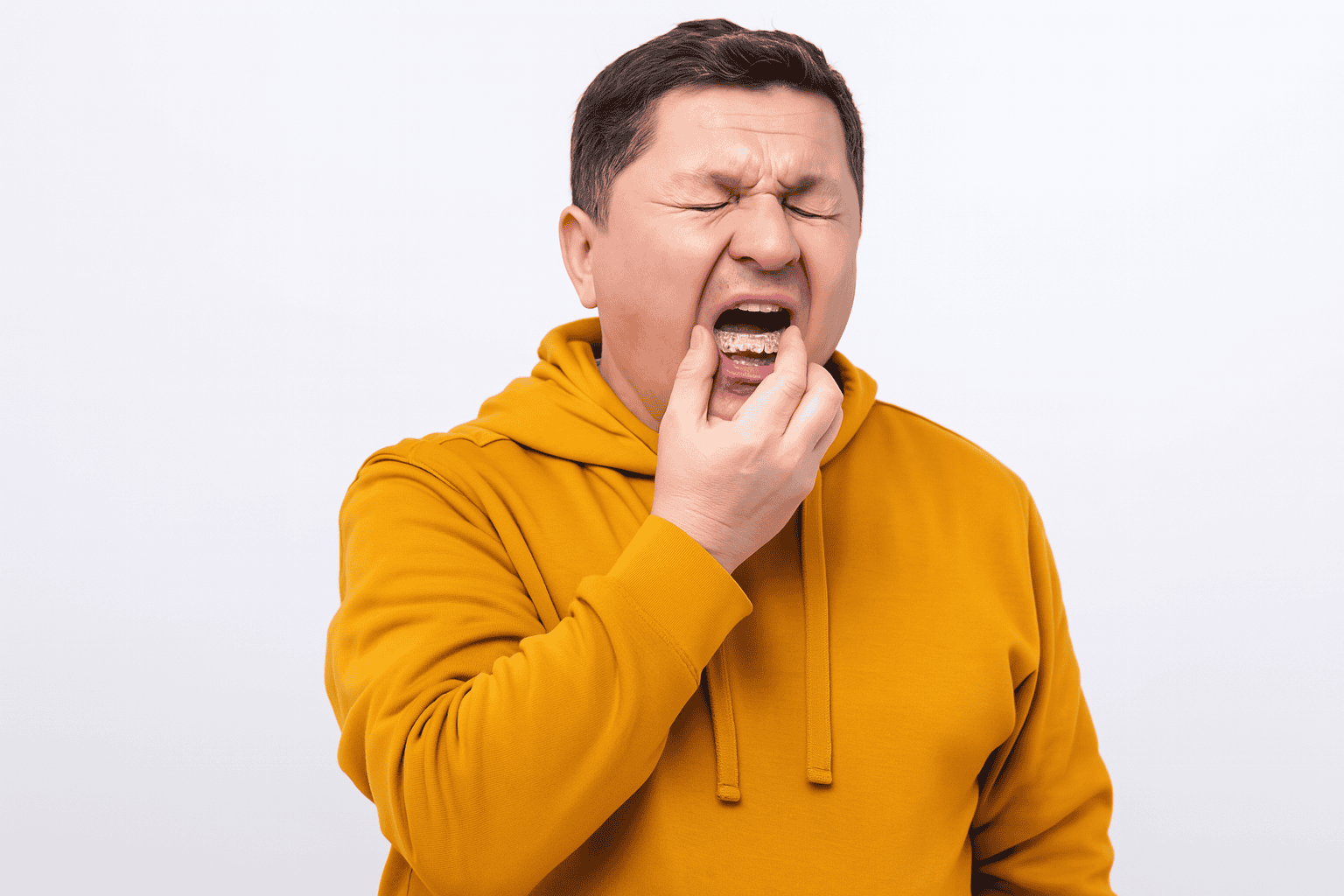
A mouthguard is a protective device, not a treatment for the habit. Five things worth knowing before you buy one:
- It does not stop the grinding. It puts a barrier between your teeth and holds the jaw in a better position while you grind. The trigger is untouched, so the night you forget it, the grinding is the same as it ever was.
- The jaw can work against it. A very soft guard gives some people something to chew on, which can mean more muscle activity rather than less. A poorly fitting guard can be uncomfortable or, over a long time, affect how the teeth sit. A properly made one should not.
- It is not the whole answer for TMJ. If the pain comes from an uneven bite or arthritis in the joint, a guard can take pressure off while your dentist or doctor deals with the cause. It does not fix either of those.
- You have to actually wear it. Every night, cleaned, and packed when you travel. Some people take it out in their sleep without knowing.
- It costs money and it wears out. A custom guard is an investment and heavy grinding can crack one. Better the guard than the tooth, but it is an ongoing cost.
None of that is an argument against a guard. It is an argument for doing the protective bit and the trigger bit at the same time, which is what dentists generally suggest.
Where Cognitive Pattern Reprogramming Fits
Cognitive Pattern Reprogramming draws on Clinical Hypnosis, Strategic Psychotherapy and Neuro-Linguistic Programming throughout each session. Clinical Hypnosis creates a highly focused state of attention, Strategic Psychotherapy identifies and works with unhelpful patterns, and NLP techniques interrupt those patterns and anchor more useful responses. It is delivered as guided audio. You stay aware and in control the whole way through, and it is designed to sit alongside anything else you already use, including your guard, your physio and your dentist.
For grinding, the thing it works on is the stress response the clenching is attached to, which is the one part of this a mouthguard cannot reach. It is drug-free, there is nothing to swallow, and you do it at home with headphones for 15 to 20 minutes a day. Some people find their jaw is easier in the mornings. Some do not. Results vary, and we would rather say so.
What it does not do is fix a bite problem, a worn tooth or a damaged joint, and it is not a reason to stop wearing a guard your dentist has fitted. That decision is theirs.
This Will Not Suit Everyone
It tends to suit people who:
- clench or grind in response to stress and recognise that in themselves
- have a guard sorted and want to work on the trigger as well
- are willing to listen daily for a stretch rather than hunting for a one-off fix
Look elsewhere first if:
- your jaw locks, catches painfully, or will not open fully. A dentist, now.
- you have visible tooth damage that has not been looked at.
- the grinding started with a new medication or a change in your health.
- you snore heavily or wake gasping. Sleep apnoea needs assessing properly.
Nothing on this page replaces medical, dental or psychological care. The audio programs are designed to work alongside it.
FAQs About Mouthguards and Teeth Grinding
What is bruxism, and how do I know if I have it?
Bruxism is grinding or clenching the teeth, usually during sleep and usually without the person knowing. The common signs are a sore jaw, headaches first thing, sensitive teeth, and teeth that look flattened or chipped. A dentist can confirm it from the wear pattern and your bite.
Can a mouthguard stop my teeth grinding?
A mouthguard does not stop the grinding habit. It sits between your upper and lower teeth and takes the damage instead of your enamel, which is a different job and a worthwhile one. If you want the grinding itself to change, that means working on what sets it off.
Will a mouthguard help with TMJ pain and jaw tension?
A well-fitted guard can ease TMJ pain for some people by holding the jaw in a more relaxed position and spreading the load. Plenty of people report fewer headaches and less stiffness with one. It is not a certainty, and a jaw that locks or is getting worse needs a dentist rather than a guard bought online.
Do I need a custom mouthguard, or will a cheaper one do?
A custom guard from your dentist fits best and lasts longest, which matters most for heavy grinding or a diagnosed TMJ problem. A boil-and-bite can be a reasonable place to start for mild grinding. Stock guards usually fit poorly. If you are not sure, ask your dentist before spending money on the expensive option.
How long will a mouthguard last, and how do I care for it?
A custom night guard commonly lasts a few years, while over-the-counter types tend to need replacing inside a year. Rinse it after every use, clean it with a soft brush and mild soap, keep it in a ventilated case, and keep it away from hot water so it does not warp. Check it regularly for cracks and thinning.
What is Cognitive Pattern Reprogramming?
Cognitive Pattern Reprogramming is guided audio built on a structured psychological framework. It works on the automatic stress response rather than on the jaw itself. You stay aware and in control the whole way through. It draws on Clinical Hypnosis, Strategic Psychotherapy and NLP, and it is designed to sit alongside dental and medical care rather than replace it.
Can I use a mouthguard and the audio programs at the same time?
Yes, and they do different jobs. A guard protects the teeth from tonight's grinding. The audio works on the stress pattern the clenching is attached to. Neither cancels the other out, and neither replaces your dentist.
Should I stop wearing my guard if the grinding eases?
That is a decision for your dentist, not for us and not for you on your own. A guard is there to protect your teeth, and whether you still need it depends on what your dentist can see in your mouth. Keep wearing it unless they tell you otherwise.
Is it safe, and is there evidence behind it?
The audio programs are non-invasive and drug-free, and you stay aware and in control throughout. Cognitive Pattern Reprogramming draws on established psychological approaches to habit and stress response, but it has not been trialled as a treatment for bruxism and we do not claim it has. Results vary. Check with your doctor first if you are pregnant, breastfeeding or managing any health condition, and do not listen while driving.
Using Both Together
A guard and the stress side of it are two separate jobs and it is reasonable to do both. The guard protects your teeth from what is happening tonight. Working on the trigger is a slower thing aimed at what is causing it. Get the guard fitted properly, keep your dentist in the loop about any change, and treat the rest as the other half of the job rather than a replacement for it.
If this is something you live with, have a look at the Mind and Body Reset pathway: 15 to 20 minute guided audio sessions designed to sit alongside any other support you have.