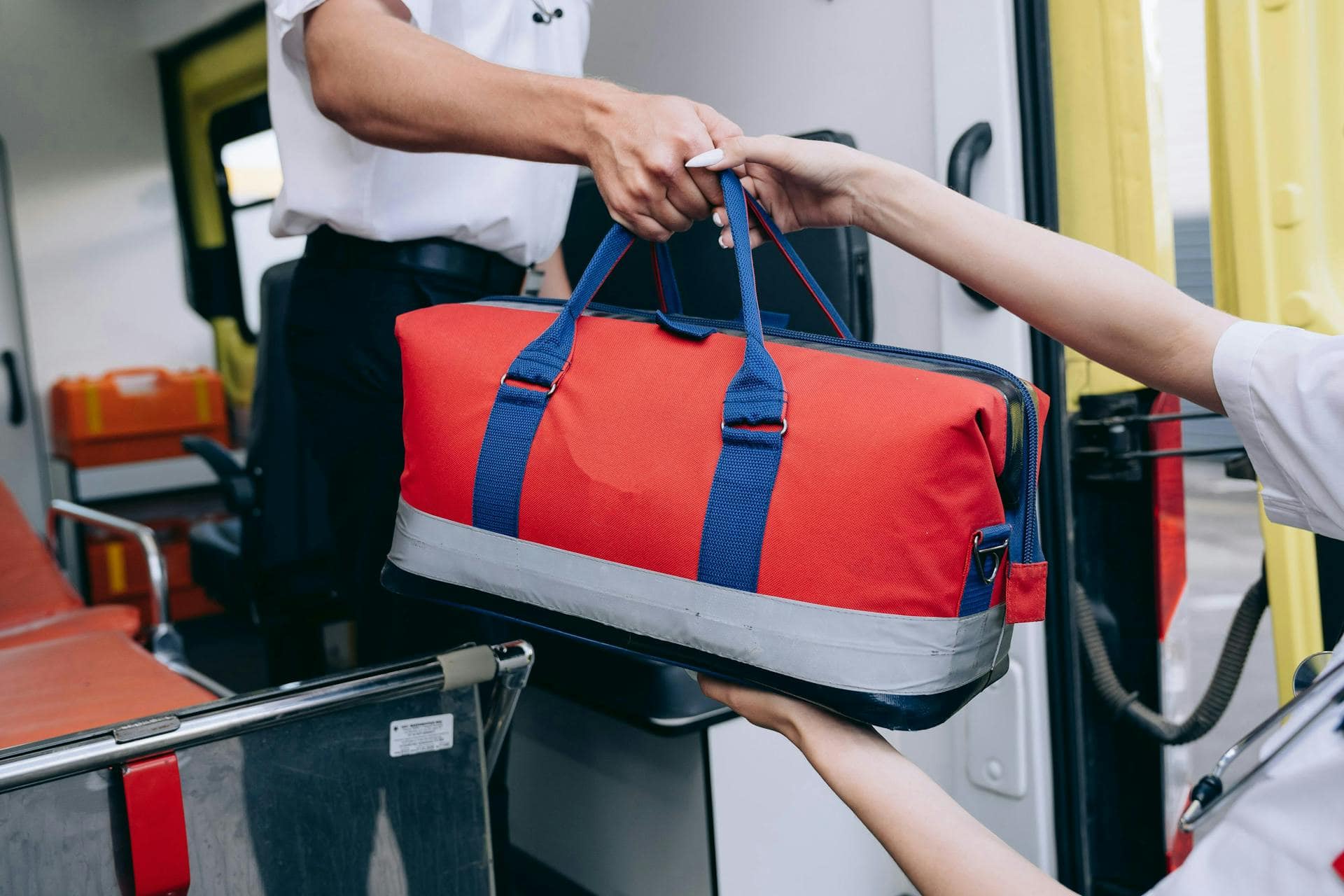

Firefighters, paramedics, police officers, nurses and other frontline workers see things most people never will. For a long time, the standard response after a bad job was Critical Incident Stress Debriefing (CISD): a group meeting soon after the incident where everyone talks through what happened.
The research on that approach has not been kind, and many services now support their people in other ways. This guide covers what CISD is, what the evidence says, what has replaced it, where to get help in Australia, and where the Mindshift Method fits. It is general information, not a diagnosis or medical advice.
What Is Critical Incident Stress Debriefing?
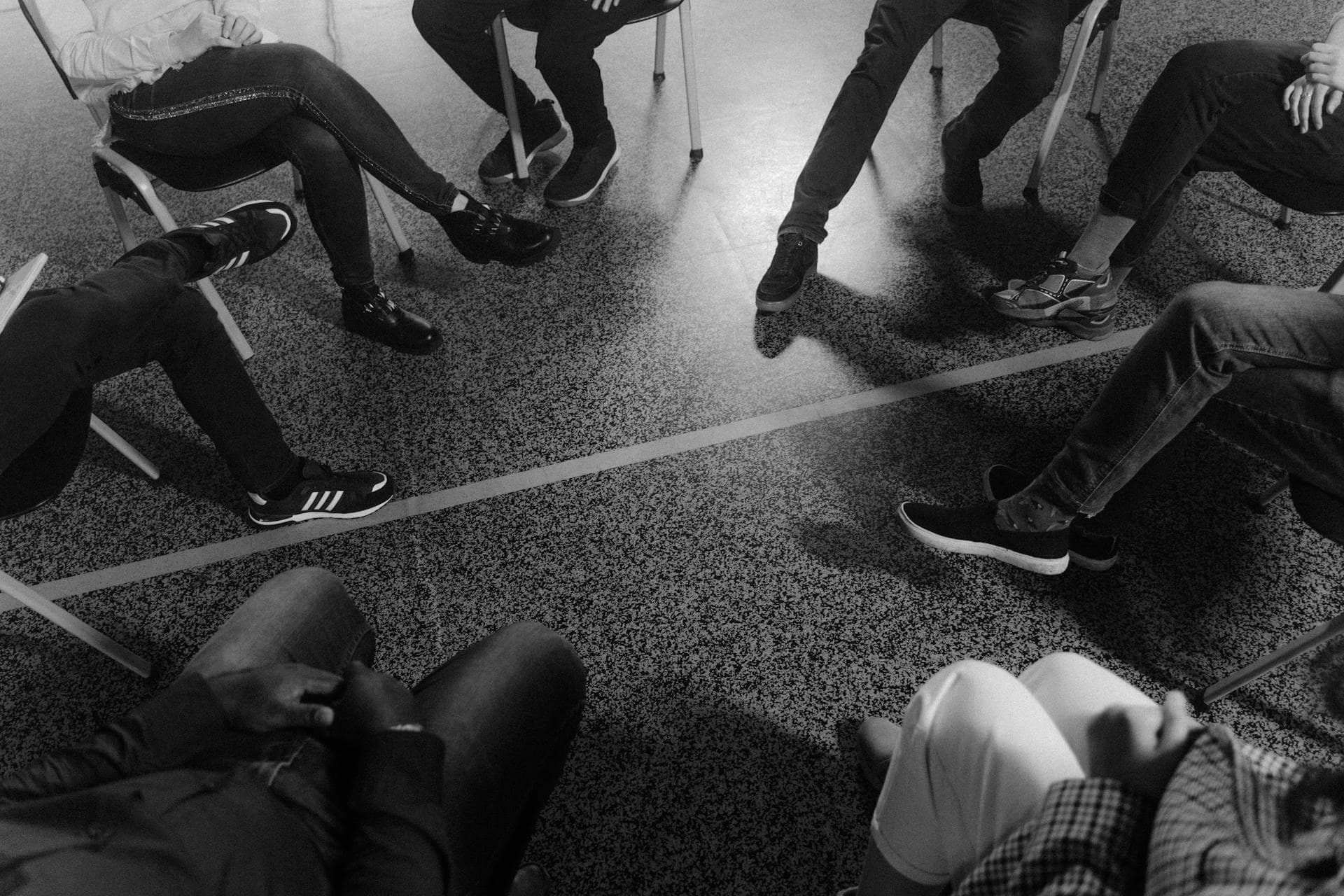
Critical Incident Stress Debriefing is a structured group meeting, usually held within a few days of a traumatic incident and led by a trained facilitator. Team members are asked to go through what happened, what they thought and felt, and what reactions they have noticed since, and they are given information about common stress reactions. It was developed to help crews process an incident early, in the hope of reducing longer-term distress such as post-traumatic stress disorder (PTSD).
CISD sits within a wider system called Critical Incident Stress Management (CISM), which can also include education before incidents happen, support on scene, family support and follow-up.
What the Research Says
Single-session psychological debriefing has been studied for decades, and the findings point the same way.
- A Cochrane review of single-session psychological debriefing found it was no better than, or worse than, control or education in preventing PTSD and related distress, and one trial suggested a higher risk of PTSD at one year in people who were debriefed. The authors concluded that compulsory debriefing of people who have been through trauma should stop.
- The World Health Organization recommends psychological first aid, rather than psychological debriefing, for people in severe distress after a recent traumatic event.
- In the UK, NICE guidance advises against offering psychologically focused debriefing to prevent or treat PTSD.
- In Australia, the guidelines developed by Phoenix Australia and approved by the National Health and Medical Research Council do not recommend routine psychological debriefing, including critical incident stress debriefing, after trauma.
Much of this research looked at debriefing in general rather than CISD with emergency services crews specifically, and some researchers argue that not every study followed the method as designed. Even so, routine or compulsory debriefing is no longer recommended.
Why it may not help everyone
Researchers have suggested a few reasons. People process a bad job in different ways and at different speeds. Some are not ready to talk so soon. Some find it harder, not easier, to hear colleagues go through graphic detail. And a meeting everyone is expected to attend does not fit people who cope by keeping things to themselves for a while, which is a valid way of coping too.
What Many Services Use Instead
There is no single right response after a critical incident. Many services now offer a range of support that people can choose from, rather than one mandatory meeting.
Psychological first aid
Psychological first aid (PFA) is practical, humane support in the hours and days after an incident. It does not push anyone to talk about what happened. It focuses on making sure people are safe, have what they need, such as water, food, rest or a call home, and know where to find more help if they want it. The World Health Organization publishes a free guide for field workers, and PFA training is offered in Australia, including through the Australian Red Cross.
In practice it might be a team leader checking in after a bad job: are you okay, do you need a few minutes, do you want me to call anyone. There is no script and no pressure to go over the call.
Peer support
Many emergency services run peer support programs, where trained colleagues are available to listen, check in after a hard job and point people towards further help. Many people find it easier to talk to someone who has done the same work. Good programs are voluntary and confidential within clear limits, and peer supporters are trained to recognise when someone needs more than a conversation.

Professional help
Some incidents, or years of them adding up, need more than peer support. A GP can assess what is going on and, if it fits, set up a Mental Health Treatment Plan with a referral to a psychologist. For people diagnosed with PTSD, Australian guidelines recommend trauma-focused psychological treatments, such as trauma-focused cognitive behavioural therapy and eye movement desensitisation and reprocessing (EMDR), with a qualified clinician. Many services also offer an Employee Assistance Program (EAP) with free, confidential counselling.
Other approaches services use
- CISM without mandatory debriefing. Some services keep the wider CISM framework, such as education, on-scene support and family support, but replace the compulsory group debrief with voluntary one-to-one check-ins and ongoing peer support.
- Trauma Risk Management (TRiM). Developed in the UK armed forces, TRiM trains peers to check in with colleagues after an incident and help identify who may need more support. It is not counselling.
- Keeping the operational debrief separate. Many services still review what went right and wrong on a job, but keep that apart from emotional support, which is optional and confidential.
- Looking after the basics. Sleep, food, exercise, time with people outside the job, and an eye on how much you are drinking. None of these is a fix on its own, and many people find they help with demanding work.
When to Get Help, and Where
Talk to your GP if, weeks after an incident, you are still having nightmares or intrusive memories, you cannot switch off, you are drinking more to get to sleep, or it is affecting your relationships or your work.
If you are struggling right now or having thoughts of harming yourself, please reach out:
- Lifeline: 13 11 14 (24/7)
- Beyond Blue: 1300 22 4636 (24/7)
- In an emergency: call 000
If you need help now
If you are in immediate danger or at risk of harming yourself, contact emergency services immediately.
Australia: Lifeline 13 11 14 | Emergency 000
USA: 988 Suicide & Crisis Lifeline | Emergency 911
UK: Samaritans 116 123 | Emergency 999
Our guides to why you cannot relax after a shift, vicarious trauma and emotional compartmentalisation cover related ground.
Where the Mindshift Method Fits
The Mindshift Method uses Cognitive Pattern Reprogramming, created by Rob Edmonds, who holds a Diploma of Clinical Hypnosis and Strategic Psychotherapy and is a Certified Neuro-Linguistic Programming Practitioner. It draws on Clinical Hypnosis, Strategic Psychotherapy and Neuro-Linguistic Programming. Clinical Hypnosis is used to create a highly focused state of attention. Within that state, Strategic Psychotherapy identifies and works with unhelpful patterns and is designed to help develop more useful ways of thinking, responding and behaving. Neuro-Linguistic Programming techniques may be used throughout to interrupt unhelpful patterns and anchor more useful responses. While listening, you remain aware and in control, able to hear what is being said and respond if you choose.
It is delivered as 15 to 20 minute guided audio sessions that you listen to on your own device, in a quiet, private place. The sessions do not ask you to describe or retell anything that has happened. The sessions are designed to be repeated, and there is no fixed timeframe. People respond differently. You can read more about the method and the evidence, including what has and has not been tested.
Cognitive Pattern Reprogramming is not a trauma therapy, and it is not a replacement for psychological first aid, peer support or professional care after a critical incident. It does not diagnose, treat, cure or prevent any condition, including PTSD. It has not undergone an independent clinical trial as a complete branded method. It is designed to work alongside your GP, psychologist or treating team.
Do not listen while driving or operating machinery.
The free session is Workplace Stress. One session free for 7 nights · No credit card · $29.95/month unlocks all 50+ sessions · Cancel anytime.
This Will Not Suit Everyone
- It tends to suit people in demanding roles who are coping but carrying a lot, and who want something private to listen to alongside peer support and their usual care.
- Look elsewhere first if you are in crisis, if you think you may have PTSD and have not been assessed, or if alcohol or other drugs have become the main way you switch off. Your GP is the right first step, and the numbers above are there any time.
Common Questions
What is Critical Incident Stress Debriefing?
Critical Incident Stress Debriefing (CISD) is a structured group meeting held soon after a traumatic incident, where team members talk through what happened and how they reacted, led by a trained facilitator. It sits within a wider system called Critical Incident Stress Management.
Does Critical Incident Stress Debriefing prevent PTSD?
The research does not show that single-session psychological debriefing reliably prevents PTSD, and a Cochrane review found some suggestion it may increase the risk for some people. Australian, UK and World Health Organization guidance does not recommend routine or compulsory debriefing after trauma.
What do services use instead of Critical Incident Stress Debriefing?
Many services now use psychological first aid in the immediate aftermath, voluntary peer support, check-ins over the following weeks, and referral to a GP or psychologist when someone needs more. For diagnosed PTSD, Australian guidelines recommend trauma-focused psychological treatment with a qualified clinician.
When should a first responder get help after a critical incident?
A first responder should talk to their GP if, weeks after an incident, they still have nightmares or intrusive memories, cannot switch off, are drinking more to cope, or it is affecting their relationships or work. In a crisis, call Lifeline on 13 11 14, or 000 in an emergency.
Is Cognitive Pattern Reprogramming a trauma therapy?
No. Cognitive Pattern Reprogramming is not a trauma therapy and does not diagnose, treat, cure or prevent PTSD or any other condition. It is self-guided audio designed to work alongside your GP, psychologist or treating team.
Is Cognitive Pattern Reprogramming hypnosis?
Yes. Clinical Hypnosis is one of the approaches used within Cognitive Pattern Reprogramming. Cognitive Pattern Reprogramming draws on Clinical Hypnosis, Strategic Psychotherapy and Neuro-Linguistic Programming. Clinical Hypnosis is used to create a highly focused state of attention. Within that state, Strategic Psychotherapy identifies and works with unhelpful patterns, and Neuro-Linguistic Programming techniques may be used throughout to interrupt unhelpful patterns and anchor more useful responses. The sessions are delivered as guided audio. While listening, you remain aware and in control, able to hear what is being said and respond if you choose.
Can I listen to the sessions while driving?
No. Do not listen while driving or operating machinery. The sessions are best done in a quiet, private place where you can sit or lie down.
Final Thoughts
Talking it through in a group straight after a bad job does not suit everyone, and the research no longer backs making it compulsory. What tends to be recommended now is practical support early, people you trust, and professional help when it is needed. If you are struggling, please reach out to one of the numbers above.