Sleep is the foundation of physical health, mental clarity, and emotional balance. Yet many people struggle with falling asleep, staying asleep, or waking up feeling unrested. Factors such as stress, anxiety, irregular routines and learned worry about bedtime can all affect the quality of rest you get each night.
If lifestyle changes and relaxation techniques haven’t been enough, a conversation with your GP is a good next step, and some people also explore self-guided options such as Cognitive Pattern Reprogramming alongside that. It is a structured method designed to help people work with unhelpful patterns around sleep, and individual experiences vary.
In this article, we’ll look at what affects sleep, what people commonly try first, and where Cognitive Pattern Reprogramming may fit alongside other support for sleep.
Understanding Sleep Struggles
1. How the Body Regulates Sleep
Your body’s internal clock, known as the circadian rhythm, controls your sleep-wake cycle. This natural process is influenced by factors like:
- Light exposure (especially blue light from screens)
- Stress and anxiety levels
- Daily routines and sleep hygiene habits
A small area of the brain called the suprachiasmatic nucleus helps time this cycle, including the release of melatonin, a hormone involved in sleep. Disruptions such as stress, shift work, or poor sleep hygiene can make it harder to fall asleep and stay asleep.
2. The Impact of Stress and Anxiety on Sleep
Chronic stress and anxiety can keep the body in a state of alertness, which makes it harder to relax before bedtime. Over time, bed can become linked with worry, which can reinforce sleep struggles.
3. What People Usually Try First
Many people try a mix of approaches. What works varies from person to person:
- Sleep hygiene, such as a regular schedule, less screen time before bed and a cool, dark room.
- Relaxation techniques, such as slow breathing or meditation, which take regular practice.
- Cognitive behavioural therapy for insomnia (CBT-I), a structured program that is commonly recommended for ongoing insomnia.
- Medication, which is a decision for you and your GP. Never stop or change a prescribed medication without medical advice.
If sleep problems have lasted more than a few weeks, or you feel very sleepy during the day, speak to your GP.
Common Sleep Problems Worth Raising With Your GP
Not every sleep problem comes from stress or habit. This is general information, not a diagnosis.
- Insomnia. Difficulty falling asleep, staying asleep or waking too early. Cognitive behavioural therapy for insomnia (CBT-I) is widely recommended when it is ongoing.
- Sleep apnoea. Breathing repeatedly stops and starts during sleep. Loud snoring with pauses in breathing or heavy daytime sleepiness should be assessed by a doctor. Self-guided audio does not treat it.
- Restless legs syndrome. An urge to move the legs, often worse in the evening. Your GP can check for contributing factors such as low iron. See our guide to restless legs and stress.
- Narcolepsy. Excessive daytime sleepiness and sudden sleep attacks. It is diagnosed and managed by specialists. Self-guided audio does not treat it.
- Sleep paralysis and rarer conditions. Being unable to move or speak while falling asleep or waking is common and is linked with sleep deprivation and stress. Frequent episodes, or very rare disorders such as fatal familial insomnia or Kleine-Levin syndrome, need medical care.
For more on sleep health, the Sleep Health Foundation is a good Australian starting point.
Where Cognitive Pattern Reprogramming May Fit
Cognitive Pattern Reprogramming is the process used within the Mindshift Method, created by Rob Edmonds, who holds a Diploma of Clinical Hypnosis and Strategic Psychotherapy and is a Certified Neuro-Linguistic Programming Practitioner. It draws on Clinical Hypnosis, Strategic Psychotherapy and Neuro-Linguistic Programming. Clinical Hypnosis is used to create a highly focused state of attention. Within that state, Strategic Psychotherapy identifies and works with unhelpful patterns and is designed to help develop more useful ways of thinking, responding and behaving. Neuro-Linguistic Programming techniques may be used throughout to interrupt unhelpful patterns and anchor more useful responses.
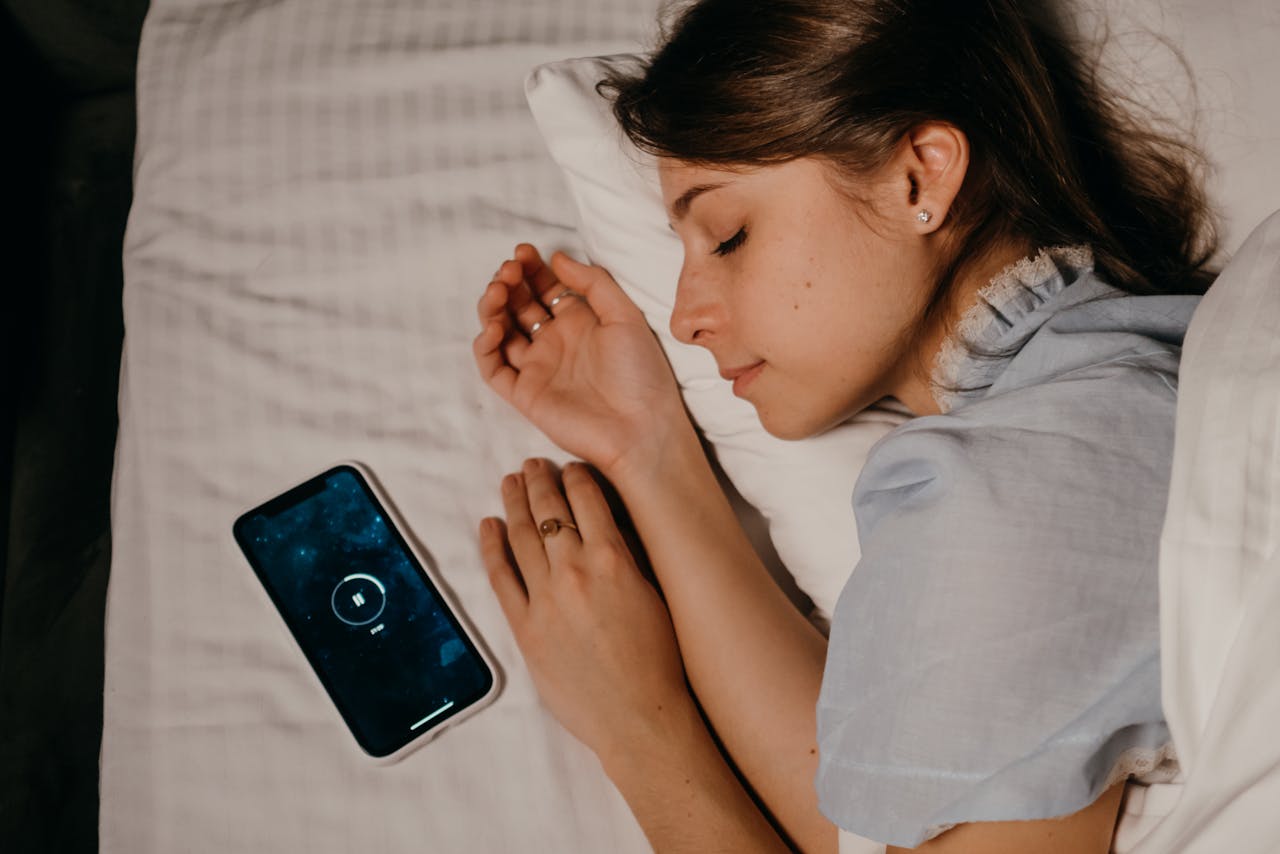
In the Mindshift Method app it is delivered as self-guided audio, usually 15 to 20 minutes a session, and some people listen at bedtime. While listening, you remain aware and in control, able to hear what is being said and respond if you choose. Do not listen while driving or operating machinery. The sessions are designed to be repeated, and there is no fixed timeframe. People respond differently.
Easing Negative Sleep Associations
If your mind links bed with frustration or worry, the sessions are designed to help develop more useful ways of thinking and responding around sleep. Individual experiences vary.
Winding Down
Slow, guided audio can help some people unwind before bed. It is designed to support winding down, not to treat insomnia or any other sleep condition.
Common Sleep Struggles
- Racing thoughts at night. The sessions are designed to help people notice and work with unhelpful patterns of thinking. They are not a treatment for insomnia.
- Worry about not sleeping. Some people find a calming routine and guided audio helps them feel less on edge about bedtime.
- Waking in the night. If this happens often, it is worth raising with your GP, as there can be several causes.
- Shift work. Irregular schedules affect the body clock. A GP can advise, and a consistent wind-down routine may help some people.
- Snoring and sleep apnoea. Sleep apnoea needs medical assessment and treatment. Cognitive Pattern Reprogramming does not treat it.
Cognitive Pattern Reprogramming does not diagnose, treat, cure or prevent any condition, and it works alongside appropriate professional care, not instead of it. It has not been through an independent clinical trial as a complete method. You can read what has and has not been tested on our evidence page.
Try a Simple Wind-Down Tonight
You don’t need anything special to start. Simple steps include:
- Find a quiet, dim space before bed.
- Focus on slow, deep breathing for a few minutes.
- Choose a calming phrase to repeat, such as “I can rest now.”
- Picture a place that feels peaceful to you.
When to Get Help
If poor sleep has gone on for more than a few weeks, or low mood or anxiety is wearing you down, see your GP. Don't wait for it to get worse.
If you are in immediate danger or at risk of harming yourself, contact emergency services immediately.
Australia: Lifeline 13 11 14 | Emergency 000
USA: 988 Suicide & Crisis Lifeline | Emergency 911
UK: Samaritans 116 123 | Emergency 999
Individual Sessions with Rob
Rob Edmonds also offers individual Mindshift Method Cognitive Pattern Reprogramming sessions. These are a separate service from the app, and you can read about them on our Forster Tuncurry page. Rob holds a Diploma of Clinical Hypnosis and Strategic Psychotherapy and is a Certified Neuro-Linguistic Programming Practitioner.
Final Thoughts
Sleep problems can be linked to stress, anxiety, and learned worry around bedtime. Established options such as sleep hygiene, CBT-I and advice from your GP are a good foundation, and Cognitive Pattern Reprogramming is designed to sit alongside them as another form of support. Individual experiences vary, and there is no fixed timeframe.
One session free for 7 nights · No credit card · $29.95/month unlocks all 50+ sessions · Cancel anytime.
Want to go further? The Sleep and Recovery pathway brings together the guided audio sessions on this, and you can try one session free for 7 nights, no credit card.