
Have you ever woken with a sore jaw or a headache after a restless night? You might be experiencing bruxism, the habit of grinding or clenching your teeth. It often goes unnoticed until symptoms like jaw pain or worn teeth become hard to ignore. Stress and anxiety are among the most commonly reported triggers, though they are not the only ones.
This guide looks at how stress, anxiety and bruxism may be connected, for adults and for teenagers, why anxiety can show up in the jaw, what bruxism can do to your teeth, and what may help, including Cognitive Pattern Reprogramming alongside dental and medical care.
Understanding Bruxism and Its Causes
Bruxism is the medical term for involuntary teeth grinding or jaw clenching. It can happen awake or asleep, often without you realising. During the day you might catch yourself clenching when you are concentrating or stressed. At night it usually happens during lighter sleep, so many people do not know they grind until a dentist notices wear or a partner hears it. Anyone can develop bruxism. It is reported in children and teenagers, especially during sleep, and often settles as they get older, but it can persist or appear in adulthood, particularly during stressful periods.
There is rarely a single cause. Factors that may increase the risk include certain medications, sleep disorders, and habits like smoking or heavy caffeine use. Stress and anxiety are among the most commonly reported contributors. Feeling overwhelmed, anxious or under pressure may raise the chance that you grind your teeth, and children can show school or social stress by clenching at night. For some people, bruxism seems to be one of the ways the body carries psychological tension, which is one reason managing stress is often part of the picture.
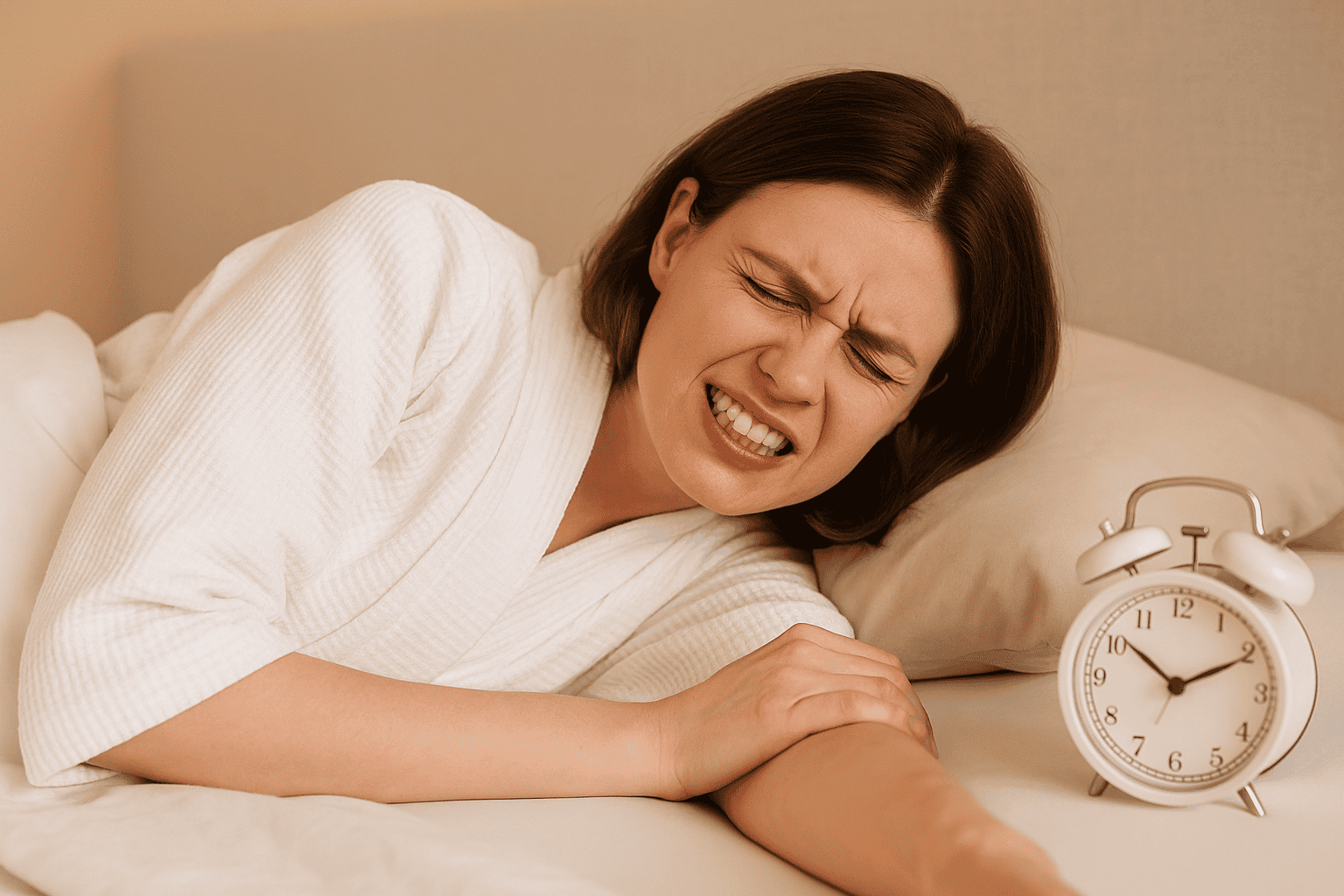
The Stress and Bruxism Connection
Dentists and therapists both hear the same complaint: “I’m under so much stress, and now my jaw hurts.” Studies have found that people who report high stress or anxiety also tend to report more teeth grinding. Researchers are still working out cause and effect, but the two are clearly related. Bruxism often flares during periods of heightened anxiety, such as around deadlines, exams or emotional upheaval. Here is how stress and anxiety can show up in the jaw:
Fight-or-Flight and Teeth Grinding
When you feel stressed or anxious, the body can shift into a “fight or flight” response, an ancient reaction to threat. Even when the “threat” is an exam or a job interview, the body can react as if you are in danger: your heart rate rises and your muscles tense, including the muscles of the jaw. It is common to clench or tighten the jaw without noticing when you are on edge.
If the stress is ongoing, clenching can turn into a hard-to-break habit that may carry over into sleep. Over time, the brain may come to link stress with jaw clenching.
Stress, Sleep Quality and Night-time Grinding
Stress does not stay in the daytime. Anxiety can make it harder to fall asleep, stay asleep or reach deep sleep. Research suggests most episodes of sleep grinding happen during lighter stages of sleep (non-REM stages 1 and 2) and rarely during deep REM sleep.
Stress often keeps people in lighter sleep, which may give bruxism more room to occur. It can become a cycle: stress affects sleep, lighter sleep may go with more grinding, and grinding can further disturb sleep, leaving you tired and more stressed the next day.
Stress is often described as the most commonly accepted factor in bruxism, and some research links high sensitivity to stress and anxious tendencies with bruxism in both children and adults. Some people may release tension through grinding without realising. Knowing this is useful: if stress is part of your grinding, working on the stress may be part of the answer, alongside your dentist’s advice.
Bruxism in Adults and Teenagers
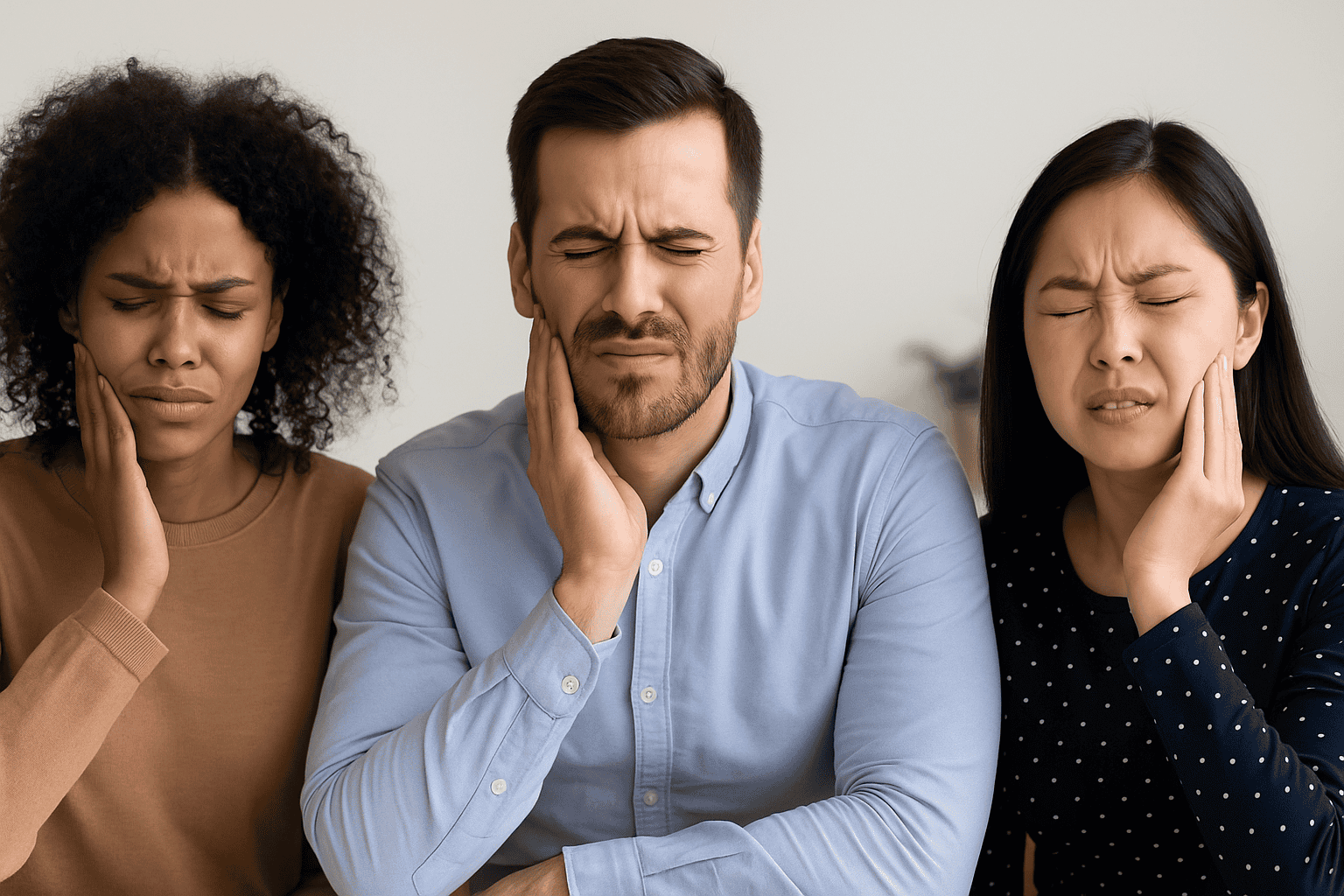
Bruxism is not limited by age, culture or geography. Wherever people feel stress, some will carry it in the jaw. From school students to older adults, no group is entirely immune.
For parents, it is worth knowing that teenagers can grind their teeth without realising. You might notice worn tooth edges or hear grinding at night. Teenagers today face academic pressure, social challenges and constant stimulation from technology, any of which can add to anxiety, and for some that shows up as clenching or grinding.
Many teenagers grow out of sleep bruxism as they pass through puberty. If grinding continues, causes pain or damages teeth, or your teenager seems significantly anxious, a visit to their dentist and GP is the right next step.
Some dental reports during the COVID-19 pandemic described more cracked teeth and jaw pain, which some dentists linked to stress. It is a reminder that the body can carry what the mind is dealing with.
What Bruxism Can Do to Your Teeth and Jaw
Aside from a sore jaw, is a little grinding really a problem, especially in your sleep? It can be. Bruxism can affect your dental health and wellbeing, and the effects tend to build the longer it goes unchecked. Here are some of the ways it can show up:
- Tooth damage. Your teeth are covered in hard enamel, but constant grinding can wear it down. Long-term bruxism can lead to flattened chewing surfaces, chipped or cracked teeth, and broken fillings or crowns. You might notice more sensitivity or changes in how your bite fits together. Dentists can often tell from wear patterns whether you have been grinding.
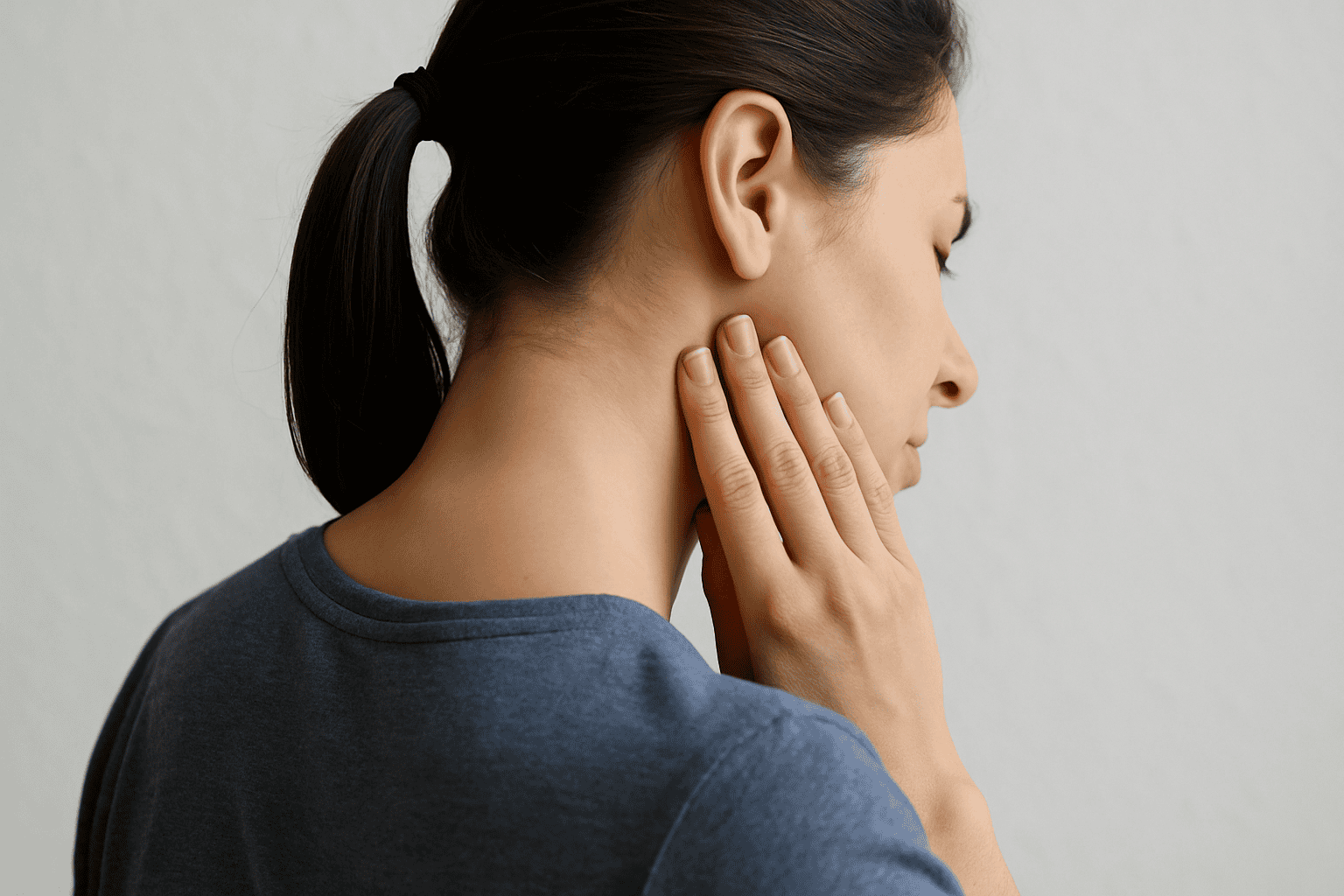
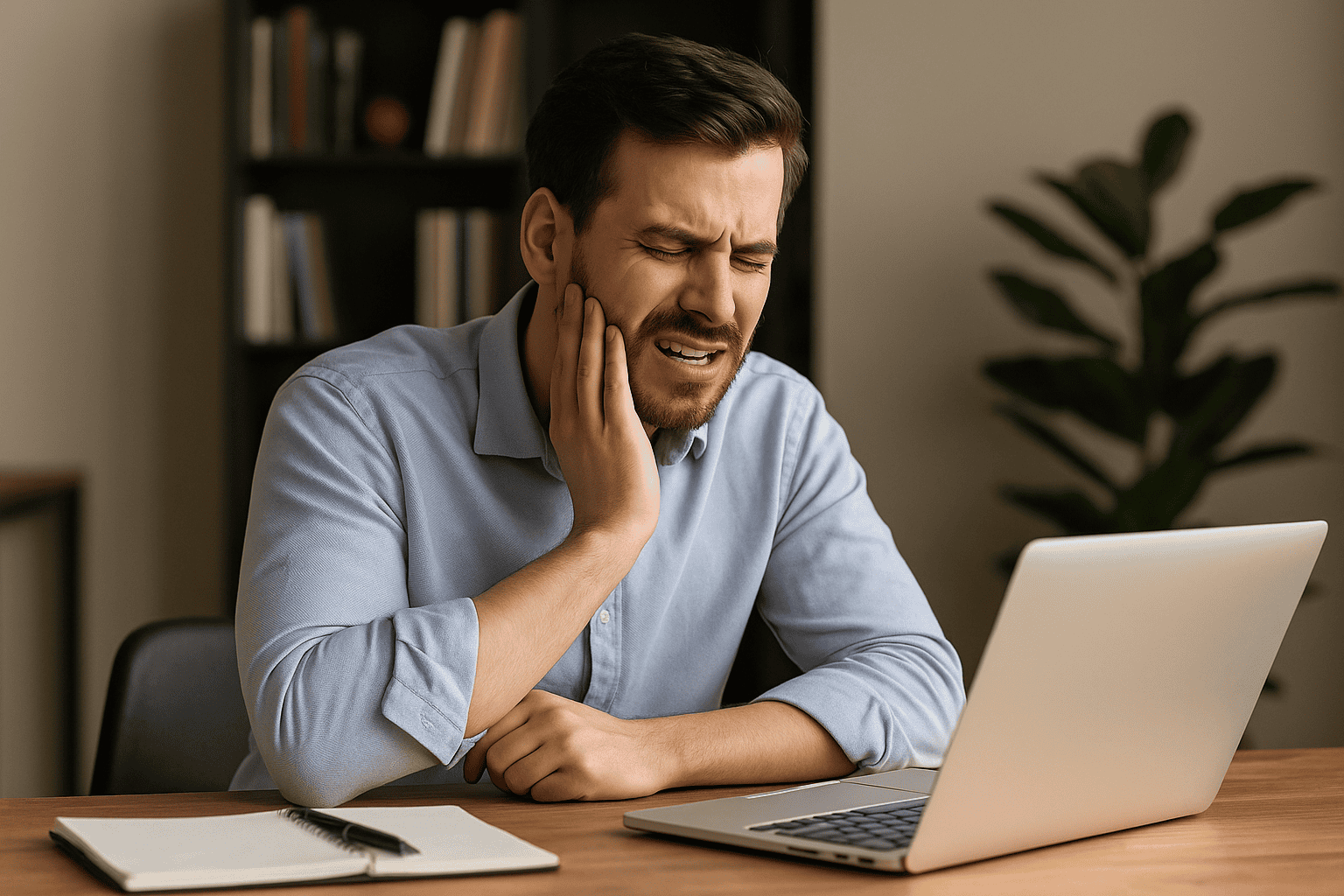
- Jaw and facial pain. Grinding and clenching put pressure on the jaw muscles and joint. Many people with bruxism wake with morning jaw stiffness, tired muscles, headaches, earaches or facial soreness. The temporomandibular joint (TMJ), which connects your jawbone to your skull, can become irritated by heavy clenching, which may lead to temporomandibular disorders (TMD) with pain, clicking or difficulty opening the mouth. If symptoms like these persist, see your dentist or doctor.
- Sleep disruption. Grinding episodes can be associated with brief arousals that interrupt sleep quality, even if you do not fully wake. If the grinding is loud it may wake your partner as well, which can add stress to relationships and guilt or worry for the person grinding.
- The stress cycle. Living with jaw pain or worn teeth can itself become a source of worry. Some people become self-conscious about the sound or the state of their teeth, and that can add to anxiety. Discomfort such as headaches can also make daily stress harder to handle. The cycle of stress, bruxism, pain and poor sleep can wear on quality of life, which is one reason it is worth getting looked at.
Bruxism is not something to ignore or simply tough out. A dentist can protect your teeth, and a doctor can look at other contributors. There are several things that may help, and they tend to work best together.
Managing Bruxism: Looking After Your Teeth and Your Stress
Since stress and anxiety are often part of the picture, many people combine protecting the teeth and jaw with ways of easing stress. Here are some options, from everyday habits to professional care.
Self-Care and Lifestyle
First, a few self-care steps. Many aim to relax the body before bedtime and make the day calmer overall:
- Stress reduction. Regular exercise is a commonly recommended way to ease stress, and even a daily walk or some yoga may help. Relaxation practices like deep breathing, meditation or progressive muscle relaxation can help you notice and release tension, including in the jaw. Hobbies, calming music and time in nature are other ways to unwind.
- Sleep habits. Poor sleep and bruxism may feed each other, so sleep habits matter. Keep a consistent sleep schedule, build a wind-down routine such as reading or a warm bath, and keep your bedroom comfortable, dark and quiet. Avoid heavy meals, caffeine or intense screen time right before bed.
- Jaw relaxation. Check in with your jaw during the day. When it is tight, for example while working, consciously relax it, gently massage the muscles or keep a slight gap between your teeth (the natural rest position). A warm compress on the sides of the face in the evening may soothe tight muscles. Some people use gentle jaw stretches shown to them by a dentist or physiotherapist.
- Stimulants and habits. Caffeine, alcohol and nicotine can be associated with bruxism. Caffeine and nicotine are stimulants, and alcohol, although sedating at first, can disturb sleep later in the night. Reducing coffee and energy drinks, especially in the afternoon and evening, may help. Avoid chewing gum or biting your nails, which can overwork the jaw.
Dental Guards and Professional Dental Care
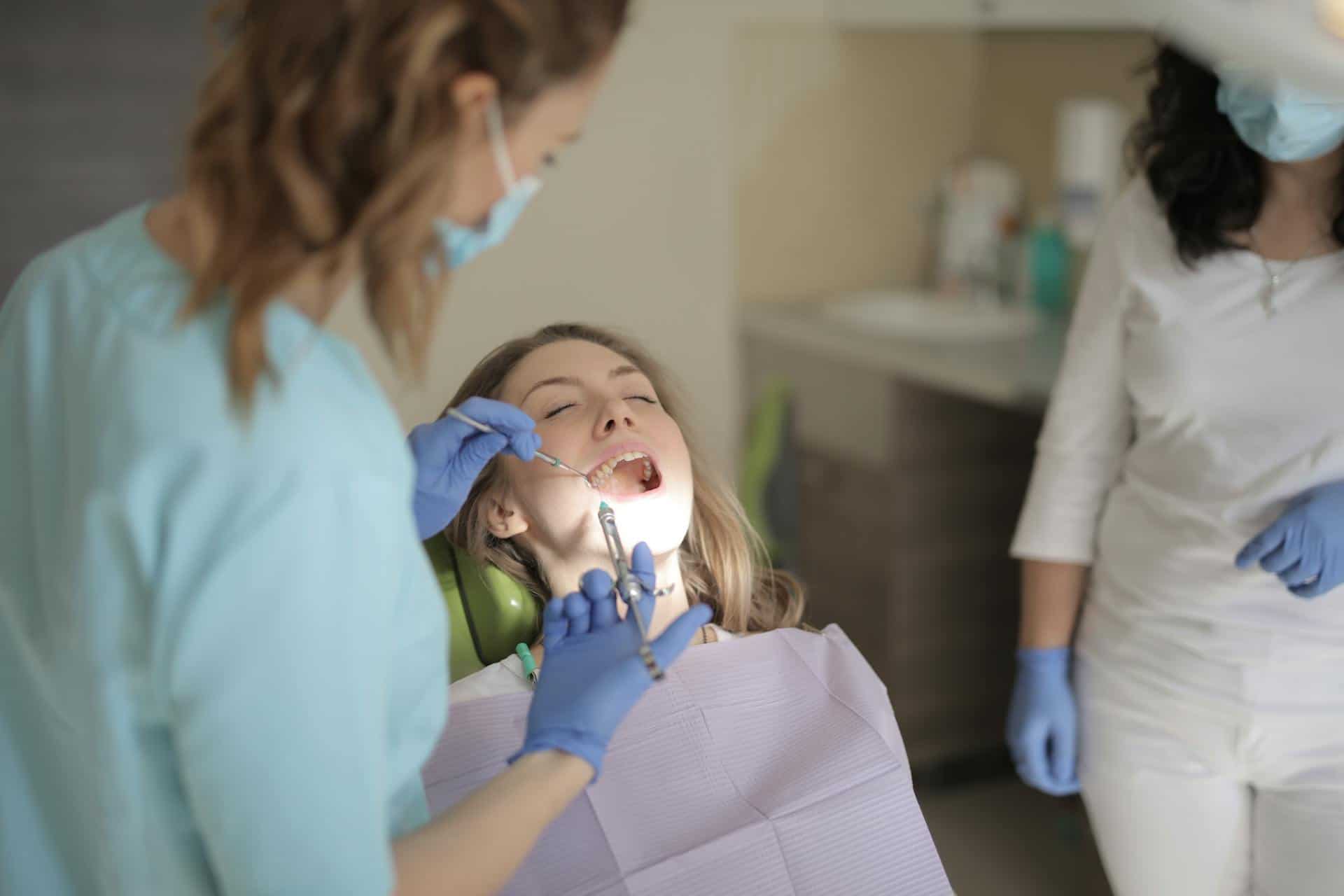
To protect your teeth from grinding damage, dentists often recommend a custom-fitted mouthguard (night guard) worn over the teeth at night. It does not stop the grinding habit itself, but it creates a protective barrier so you do not wear down enamel or crack a tooth. If you suspect you grind, or your dentist notices signs, ask about a night guard. Whether to wear one, and for how long, is a decision for you and your dentist.
Stay on top of regular dental check-ups. Dentists can spot early signs of bruxism, such as hairline cracks or jaw tenderness, and can address bite problems or damaged dental work. If bruxism has led to TMJ disorder or significant wear, your dentist may suggest specific treatment or physical therapy. In some cases doctors or dentists consider short-term muscle relaxants or Botox injections in the jaw for persistent clenching. These are medical decisions made under supervision.
When Anxiety Is More Than a Jaw Problem
Jaw clenching can go along with anxiety that is hard to live with. If your anxiety feels overwhelming, is affecting your sleep, work, school or relationships, or you are worried about your teenager, start with your GP. They can talk through options, including a Mental Health Treatment Plan with a psychologist. Cognitive Pattern Reprogramming does not treat anxiety or any mental health condition and is not a substitute for professional care.
If you are in immediate danger or at risk of harming yourself, contact emergency services immediately.
Australia: Lifeline 13 11 14 | Emergency 000
USA: 988 Suicide & Crisis Lifeline | Emergency 911
UK: Samaritans 116 123 | Emergency 999
Stress Support Options, Including Cognitive Pattern Reprogramming
Protecting your teeth is important, and for some people stress is part of what keeps the grinding going. Cognitive behavioural therapy (CBT), counselling or stress management coaching can give you tools to cope with anxiety. Mindfulness practices can increase your awareness of when you are clenching, so you can interrupt it. Simply talking to a mental health professional about what is weighing on you can ease stress too.
Cognitive Pattern Reprogramming
One option some people explore alongside this is Cognitive Pattern Reprogramming. The Mindshift Method uses Cognitive Pattern Reprogramming, drawing on Clinical Hypnosis, Strategic Psychotherapy and Neuro-Linguistic Programming. Clinical Hypnosis is used to create a highly focused state of attention. Within that state, Strategic Psychotherapy identifies and works with unhelpful patterns and is designed to help develop more useful ways of thinking, responding and behaving. Neuro-Linguistic Programming techniques may be used throughout to interrupt unhelpful patterns and anchor more useful responses.
It is designed to help you recognise and interrupt automatic stress patterns that may be connected to clenching, and to develop calmer ways of responding. It is delivered as self-guided audio, and it does not diagnose or treat bruxism or anxiety. While listening, you remain aware and in control, able to hear what is being said and respond if you choose. Do not listen while driving or operating machinery.
There is no fixed timeframe. The sessions are designed to be repeated, and people respond differently.
One session free for 7 nights. No credit card. $29.95/month unlocks all 50+ sessions. Cancel anytime.
Most of the Mindshift Method library is written for adults. If your teenager is anxious or grinding their teeth, start with their dentist and GP. The audio programs are not a treatment for a child’s anxiety or bruxism, and they sit alongside that care.
A Whole-Person Approach
What matters is finding what works for you and looking at the problem from more than one angle. For example, you might use a night guard on your dentist’s advice, build exercise into your week to ease stress, and try Cognitive Pattern Reprogramming alongside. Be kind to yourself. A long-standing clenching habit is not a failing, and it is fine to ask for support.
If the basic tips have not been enough, ask for professional help. A dentist, a doctor and a psychologist can form a support team.
Frequently Asked Questions (FAQs)
Can stress or anxiety really cause teeth grinding?
Stress and anxiety are among the most commonly reported triggers for bruxism. When you are tense, your body can respond by clenching the jaw or grinding the teeth, often without you noticing.
What are the signs that my teeth grinding is stress-related?
If your grinding worsens during stressful periods, or you notice jaw pain, headaches or worn teeth, stress may be playing a part. A dentist can confirm signs of grinding such as tooth wear or jaw tension, and a GP can help with the stress side.
Is teeth grinding common in teenagers with anxiety?
Bruxism is reported in teenagers, especially during stressful times like exams or social pressure, and many grow out of it. See their dentist if it causes pain or damage, and their GP if anxiety is significant.
What can help if my grinding is stress-related?
A night guard from your dentist can protect your teeth, and stress-reduction techniques like exercise, breathing exercises or meditation may help. A psychologist or counsellor can help with what is driving the stress. Some people also use guided audio such as Cognitive Pattern Reprogramming alongside this.
Should I stop wearing my mouthguard?
No. Whether to wear a mouthguard, and for how long, is a decision for you and your dentist. Cognitive Pattern Reprogramming does not replace a mouthguard or any other dental care.
What is Cognitive Pattern Reprogramming?
Cognitive Pattern Reprogramming is an integrated method drawing on Clinical Hypnosis, Strategic Psychotherapy and Neuro-Linguistic Programming. It is designed to help you recognise and interrupt automatic stress patterns that may be connected to clenching. It does not diagnose or treat bruxism or anxiety.
Is Cognitive Pattern Reprogramming hypnosis?
Clinical Hypnosis is one of the approaches it draws on, alongside Strategic Psychotherapy and Neuro-Linguistic Programming. While listening, you remain aware and in control, able to hear what is being said and respond if you choose. Do not listen while driving or operating machinery.
Is Cognitive Pattern Reprogramming suitable for teenagers?
Most of the Mindshift Method library is written for adults. For a teenager, start with their dentist and GP. The audio programs are not a treatment for a child’s anxiety or bruxism, and they sit alongside professional care.
Apart from Cognitive Pattern Reprogramming, what else may help?
Mindfulness, biofeedback, CBT, jaw stretches and regular exercise are commonly used, often combined with a night guard from your dentist. Combining physical relaxation with stress management is a common approach.
When should I seek professional help?
See a dentist if you have pain, damaged teeth or worn enamel, and a GP or psychologist if stress feels overwhelming. Getting help early gives you more options.
Final Thoughts
Living with stress and bruxism can wear you down, physically and mentally. When anxiety shows up as jaw tension and grinding, it can be a sign of the body carrying emotional strain, and looking after your stress as well as your teeth may help ease the load.
If stress is part of your grinding, Cognitive Pattern Reprogramming is designed to help you recognise and interrupt automatic stress patterns, alongside your dentist’s or doctor’s advice. Individual experiences vary. It does not diagnose or treat bruxism or anxiety.
Want to go further? The Mind and Body Reset pathway brings together the guided audio sessions on this, and you can try one session free for 7 nights, no credit card.