
Have you ever felt “not quite there”, like you’re going through the motions on autopilot, or watching your life from a distance? Maybe you feel numb, emotionally drained, or as if you’re not yourself. If you’ve been feeling off or detached, you’re not alone. Many people have these sensations at some point, and they are sometimes described as disassociation (also spelled dissociation).
This article explains in plain language what disassociation is, some experiences people commonly describe, why it may happen, and where to get help. It also covers where self-guided Cognitive Pattern Reprogramming audio may fit alongside professional care, and what it does not do. It is general information, not a diagnosis, and feeling this way does not mean there is anything “wrong” with you. If these experiences are frequent or frightening, please speak to your GP or a psychologist.
What Is Disassociation?

Disassociation is a feeling of disconnection between your thoughts, feelings, surroundings or sense of self. It is more common than many people realise, and while it can seem frightening, for some people it appears to be a way the mind copes when things feel overwhelming.
A Mental “Step Back” From Reality
Some people describe disassociation as the mind stepping back when something feels too intense, such as trauma, anxiety or extreme stress. It can happen suddenly or build up over time. Unlike zoning out from boredom, it can feel involuntary and is often linked with psychological distress.
You might not notice it at first. Some people describe feeling like a spectator in their own life, able to see what’s happening but not quite feel it. Others go emotionally numb or feel robotic, as if their actions are automatic but detached from their will.
How Disassociation Can Feel
People describe floating outside their body, being unable to connect with their emotions, or feeling that the world around them is unreal. You may feel foggy, disconnected or emotionally flat. It is more than “spacing out”, and when it is frequent or intense it can interfere with relationships, work and daily life.
It can be confusing and even frightening. You might start questioning your reality or whether your feelings are valid. Having these experiences does not mean you are “going crazy”. If they are frequent or distressing, a GP or psychologist can help you understand what is going on.
Why It May Happen
Clinicians commonly link disassociation with overwhelming stress or trauma, and it can begin in childhood as a way of coping when escape or emotional processing isn’t possible. For adults, experiences such as abuse, accidents, loss or prolonged burnout may be linked with similar responses. Not everyone who disassociates has experienced trauma, and the causes are not fully understood.
What starts as a way of coping can sometimes become a habitual response, showing up even in situations that aren’t truly threatening. That can make it harder to stay grounded, process emotions or feel present. Support from a trauma-informed professional is the right first step if this sounds familiar.
Everyday Disassociation: More Common Than You Think
Not all disassociation is a cause for concern. Most people zone out briefly in everyday life. Have you ever arrived home from work and realised you don’t remember the drive, or got lost in a movie and forgotten everything around you? These are mild, common experiences, often linked with focus or tiredness.
The difference lies in how often it happens and how intense it is. Occasional zoning out is normal. If disconnection starts affecting your life, if your sense of identity feels unstable, or if you frequently feel “not real”, it’s worth speaking to a GP or psychologist.

Common Signs of Disassociation
Disassociation shows up differently for different people. Some zone out, while others feel emotionally numb or detached from the world around them. Here are some experiences people commonly describe. This list is not a diagnostic tool, and only a qualified health professional can assess what is going on for you.
Zoning Out or “Lost” Time
One of the most commonly described experiences is zoning out or losing track of time. Maybe you’ve driven home and couldn’t remember the trip, or finished a chore without recalling how. It can feel like being on autopilot. Occasional episodes are common, but if you often lose time, mention it to your GP.
An Out-of-Body Sensation
Some people feel as if they are outside themselves, watching a movie of their life instead of living it. You might look at your hands on the steering wheel or keyboard and feel they aren’t yours. It is usually described as a feeling of detachment rather than seeing or hearing things that are not there, and it can be linked with stress, anxiety or trauma. If it happens often, it’s worth getting checked.
Emotional Numbness
Emotional numbness is one of the most overlooked experiences. It isn’t always the absence of emotions. It can feel as if your feelings are muted or behind a glass wall. People describe feeling “empty”, “cold” or shut down, and crying may feel impossible even when something upsetting happens. This numbness is not a personal failure, but if it lasts it can cut you off from joy and connection, so please speak to a GP or psychologist.

The World Feels Unreal or “Dreamlike”
If you’ve ever looked around and thought, “This doesn’t feel real”, you may have experienced what is called derealisation. Surroundings can feel foggy, artificial or distorted, sounds muffled or people oddly unfamiliar. It can be scary, especially if you don’t know why it’s happening. If it continues, please get it assessed.
When the Mind Goes Blank
Sometimes it doesn’t feel dramatic, just like nothing. Your thoughts go quiet, emotions fade, or you stare into space and lose your train of thought. This can be unsettling and hard to explain to others. You don’t need to experience all of these signs for your experience to matter, and even one or two are worth taking seriously.

Feeling Numb or Checked Out? Why It May Happen
If you’ve been feeling numb, zoned out or distant, you may be wondering what’s causing it. Disassociation is not a flaw or a failure. In many cases it appears to be connected with how the mind responds to overwhelming experiences. Understanding the possible reasons can take some of the fear away, but only a qualified professional can say what is behind your own experience.
A Possible Survival Response
Disassociation is often described as linked to the fight, flight or freeze response. When fighting or escaping isn’t possible, such as in abuse or sudden trauma, the mind may “freeze”, and disassociation can be part of that. It may help someone get through the moment. If it continues long after the danger has passed, it can interfere with daily life, which is when professional support matters.
A Way of Coping With Pain
Many people who disassociate describe going numb or watching events from the outside during overwhelming moments. It isn’t a conscious choice, it happens automatically. For many trauma survivors it helped them get through something too intense to process at the time. Over time, though, it can become a barrier to feeling safe and connected, which is where trauma-informed professional care matters. Cognitive Pattern Reprogramming does not process or treat trauma.

Common in People Who Have Experienced Trauma
Disassociation is commonly reported by people who have lived through trauma. Survivors of emotional, physical or sexual abuse, serious accidents, sudden grief or prolonged childhood stress often describe feeling emotionally numb, mentally disconnected, or as if the world isn’t real. These experiences can last for years. Patterns like these can be hard to shift on your own, and trauma-informed professional support can make a real difference. Cognitive Pattern Reprogramming isn’t a trauma treatment, so professional care comes first.
Everyday Stress Can Play a Part Too
You don’t need to have experienced major trauma to feel disconnected. High everyday stress, such as burnout, conflict or anxiety, is sometimes linked with milder forms. Have you ever felt your mind shut down during a heated argument, or couldn’t focus during an overwhelming workday? Moments like that are common. If it’s happening regularly, a GP or psychologist can help you work out what’s going on, and grounding tools may help you stay present in the meantime.
When It Becomes an Issue
Occasional disassociation is common, but when it starts interfering with your daily life, relationships or mental clarity, it’s time to reach out. If you feel you’re spending more time disconnected than present, or struggling to “come back” from episodes, please speak to your GP or a psychologist. Many people work through disassociation with professional support.
Where to Get Help
If you’re experiencing disassociation, a GP or a psychologist, ideally one with experience in trauma-informed care, is the right first step. Your GP can talk through your options, including a Mental Health Treatment Plan. Lifeline (13 11 14) and Beyond Blue (1300 22 4636) are free and open 24 hours a day. The Better Health Channel has a plain-language page on dissociation and dissociative disorders. If you are worried about your safety or someone else’s, please use the emergency numbers below.
If you are in immediate danger or at risk of harming yourself, contact emergency services immediately.
Australia: Lifeline 13 11 14 | Emergency 000
USA: 988 Suicide & Crisis Lifeline | Emergency 911
UK: Samaritans 116 123 | Emergency 999
How Cognitive Pattern Reprogramming May Fit Alongside Professional Care
Cognitive Pattern Reprogramming is an integrated method drawing on Clinical Hypnosis, Strategic Psychotherapy and Neuro-Linguistic Programming. Clinical Hypnosis creates a highly focused state of attention. Within that state, Strategic Psychotherapy identifies and works with unhelpful patterns and is designed to help develop more useful ways of thinking, responding and behaving. Neuro-Linguistic Programming techniques may be used throughout to interrupt unhelpful patterns and anchor more useful responses.
At Mindshift Mentors it is delivered as self-guided audio of about 15 to 20 minutes, created by Rob Edmonds, who holds a Diploma of Clinical Hypnosis and Strategic Psychotherapy and is a Certified Neuro-Linguistic Programming Practitioner. It does not diagnose, treat, cure or prevent dissociation, trauma or any other condition, and it works alongside appropriate professional care. It has not been through an independent clinical trial as a complete method.
Gentle, Guided Focus
This is not about being unconscious or “under someone’s control”. While listening, you remain aware and in control, able to hear what is being said and respond if you choose. There is no mind control or loss of free will. Do not listen while driving or operating machinery. If you notice you feel more disconnected, distressed or unwell while listening, stop the session and speak to your GP or psychologist.
No Need to Retell Your Story
The sessions do not ask you to relive painful memories or explain your past aloud. Trauma, chronic stress or overwhelming life events can sit behind disassociation, which is why trauma-informed professional care matters, and the sessions are not a substitute for it.
Everyday Patterns
Disassociation can come with habits like self-doubt, avoidance or a reflex to disconnect whenever something feels unsafe. Cognitive Pattern Reprogramming is designed to help people recognise and interrupt unhelpful patterns and develop more useful responses, but it does not treat disassociation. The sessions are designed to be repeated, there is no fixed timeframe, and people respond differently.
A Self-Paced Option
You choose which sessions to listen to and when, and you are never pushed into anything you’re not ready for. If you’re looking for a person to talk to, a GP, psychologist or other mental health professional is the right first step.

Looking After Yourself
If you’ve made it this far, take a deep breath and give yourself credit. Recognising that you might be experiencing disassociation is a real step. You’re not broken, and you don’t have to work through this alone.
Reach Out for Support
Talking to a mental health professional, especially someone who understands dissociation, can be a relief. You don’t have to explain everything perfectly or know exactly what to say. Just starting the conversation is enough. If your disassociation is linked to trauma, abuse or a diagnosed condition, Cognitive Pattern Reprogramming is designed to work alongside your GP, psychologist or psychiatrist, not replace them.
Start a Grounding Toolkit
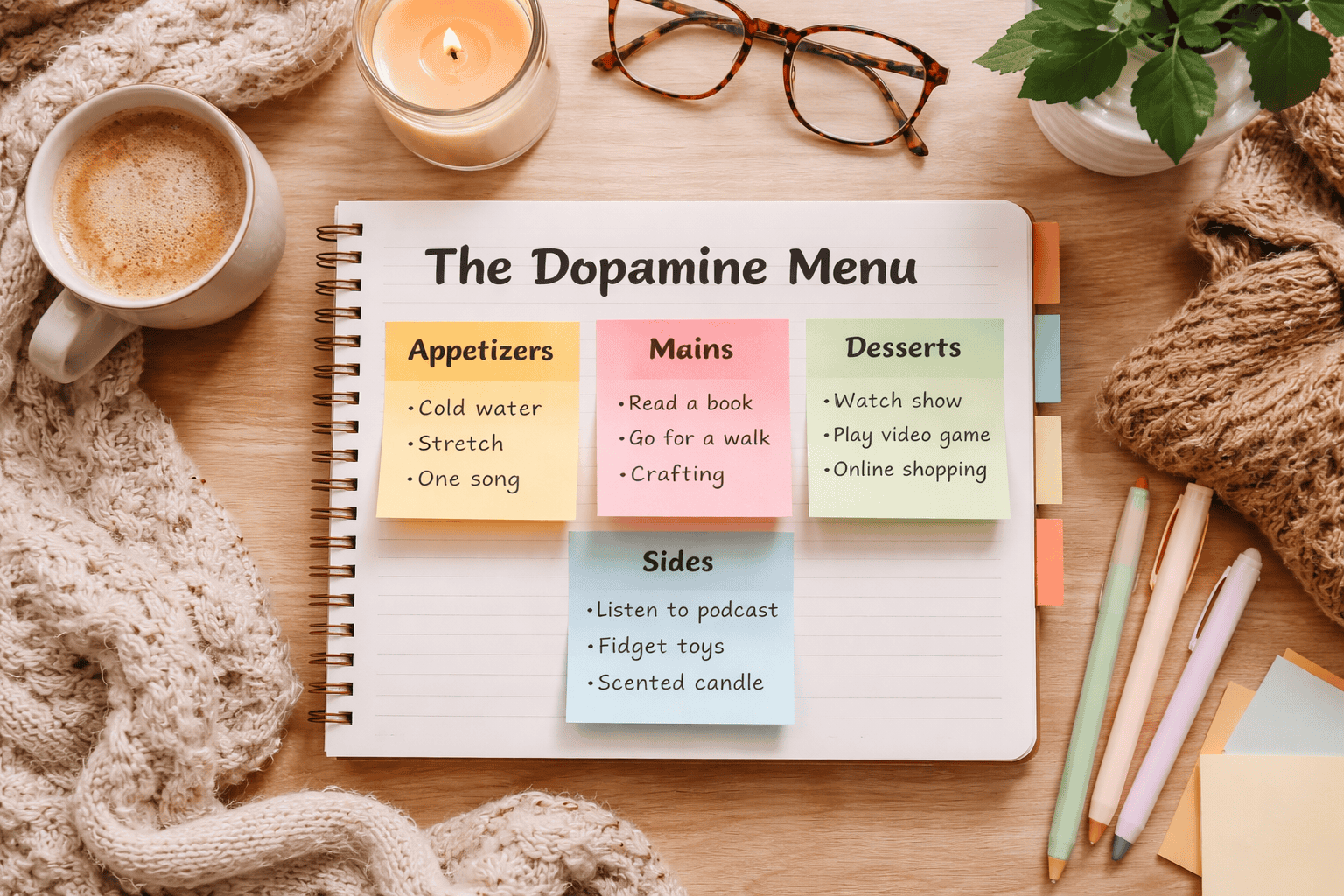
Alongside professional support, simple grounding techniques may help you reconnect in daily life. This could be deep breathing, sipping cold water, noticing the colours around you, or holding a textured object and focusing on it. These practices are small, but they may help anchor you when disconnection starts creeping in. A psychologist or counsellor can also teach strategies that suit your personality and routine.
Exploring Cognitive Pattern Reprogramming
If you’d like to explore Cognitive Pattern Reprogramming alongside professional support, you can try one session free for 7 nights, no credit card, to see whether it suits you. $29.95 a month unlocks all 50+ sessions, and you can cancel anytime. You’re not signing up for anything permanent, you’re just opening a door.
You’re Not Broken
Disassociation is not a sign that something is wrong with you. For many people it is connected with things that were very hard to handle at the time. Support is available, and a GP or psychologist can help you work out what might suit you. Be kind to yourself as you explore this, and know that you deserve support.
Conclusion
Disassociation can be confusing, isolating and unsettling, but it doesn’t have to define your life. What you’re experiencing is not a sign of weakness or failure. From zoning out and emotional numbness to feeling that the world isn’t real, these experiences are more common than you may realise, and you’re not alone in feeling them.
Professional care is the right first step, and for some people supportive tools may sit alongside it. Whether you reach out to a professional, try grounding techniques or simply acknowledge what you’re going through, each step counts.
Want to go further? The Mind and Body Reset pathway has guided audio sessions that may suit some people alongside professional care. You can try one session free for 7 nights, no credit card. The sessions do not treat disassociation.