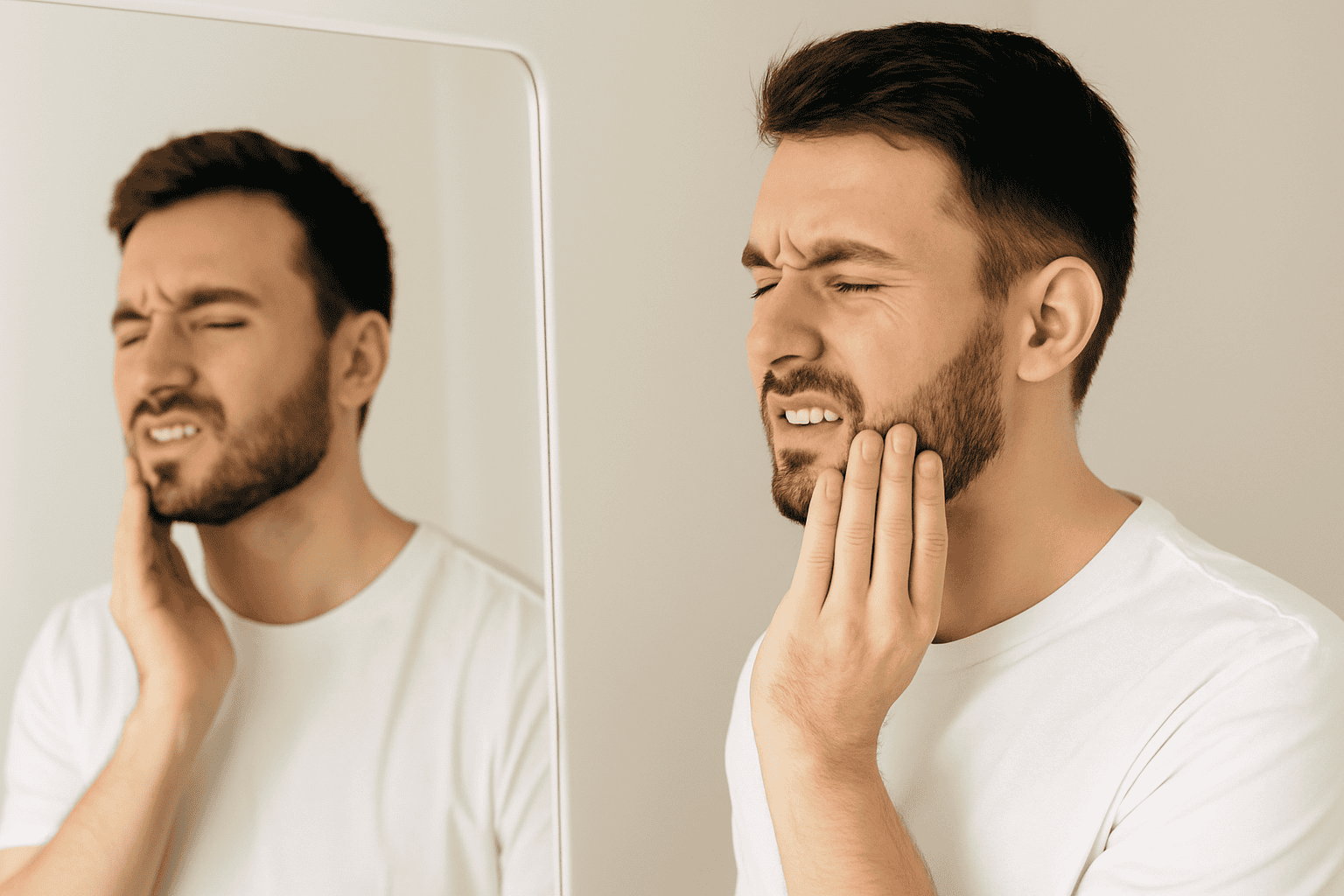

Waking up with a sore jaw, a headache or tightness around the temples is often the first sign that something is going on at night. Teeth grinding, or bruxism, is common, it usually happens while you are asleep, and most people only find out about it when a dentist spots the wear or a partner hears it.
Plenty of people are handed a mouthguard and left there. A mouthguard is worth having, and it is doing a specific job: protecting the teeth. This page covers the practical things that can take some of the load off, why the stress side matters, and when to stop experimenting and get it looked at.
Table of Contents
What Is Teeth Grinding (Bruxism)?
Bruxism is the involuntary clenching or grinding of the teeth. It happens mostly during sleep, and it also happens awake, usually while concentrating or under pressure. Because the sleep kind is involuntary, most people cannot feel it happening.
What tends to show up:
- Jaw soreness, particularly first thing in the morning.
- Headaches around the temples, again worst on waking.
- Tooth sensitivity, or teeth that look flattened, chipped or worn.
- Tight facial muscles, or a clicking jaw.
- Sleep that leaves you flat even after a full night.
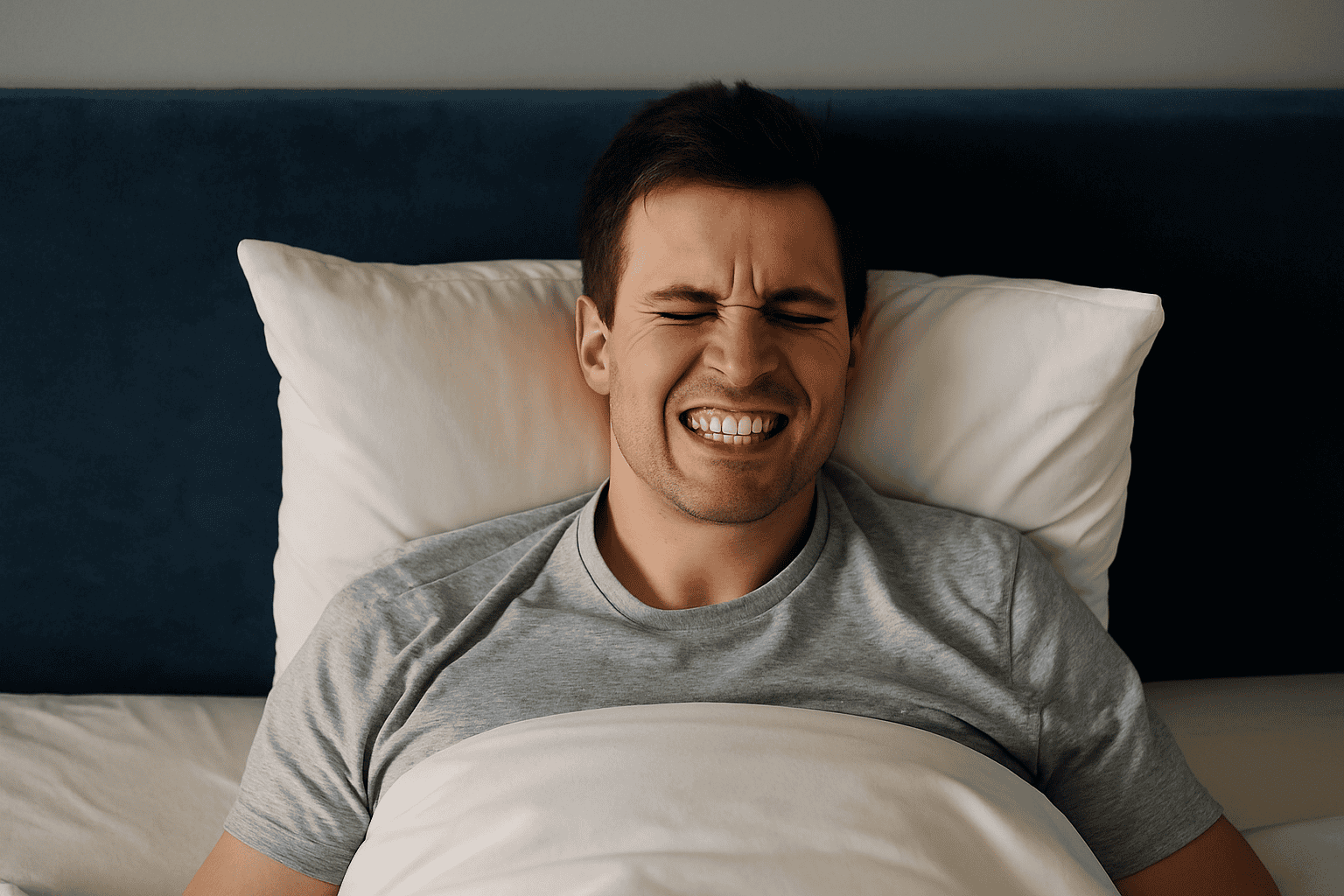
Left alone for long enough, grinding can wear enamel, crack or loosen teeth and contribute to problems in the temporomandibular joint. That is the reason to get it looked at early rather than the reason to panic. A dentist can see the wear pattern and tell you where you are actually up to.
Why People Look for Something Beyond a Mouthguard
A mouthguard protects the teeth from the force of the grinding. That is the job it is designed for and it does it well. What it does not do is stop the grinding, which is why a lot of people still wake with a sore jaw while wearing one.
Medication has a place too, usually short term and always a matter for your GP or dentist. It is not something to weigh up on the basis of an article.
So the useful question is not which of these is better. It is what is setting the grinding off in the first place, because that is the part neither a splint nor a tablet is aimed at. For a lot of people stress is somewhere in it, along with sleep, stimulants and daytime habits. None of those needs a prescription to work on.
7 Practical Strategies to Ease Teeth Grinding Naturally

None of this replaces dental care. It is the low-risk stuff worth trying while you sort the rest out.
- Take the stress load down daily. Breathing, a short walk, writing the day out, anything that gets the nervous system off high alert. Five quiet minutes before bed is a reasonable place to start.
- Keep the sleep routine boring. Same bedtime, same wake time, weekends included. Screens and caffeine out of the last hour. An irregular schedule and a wired body at midnight are a common pairing with night-time grinding.
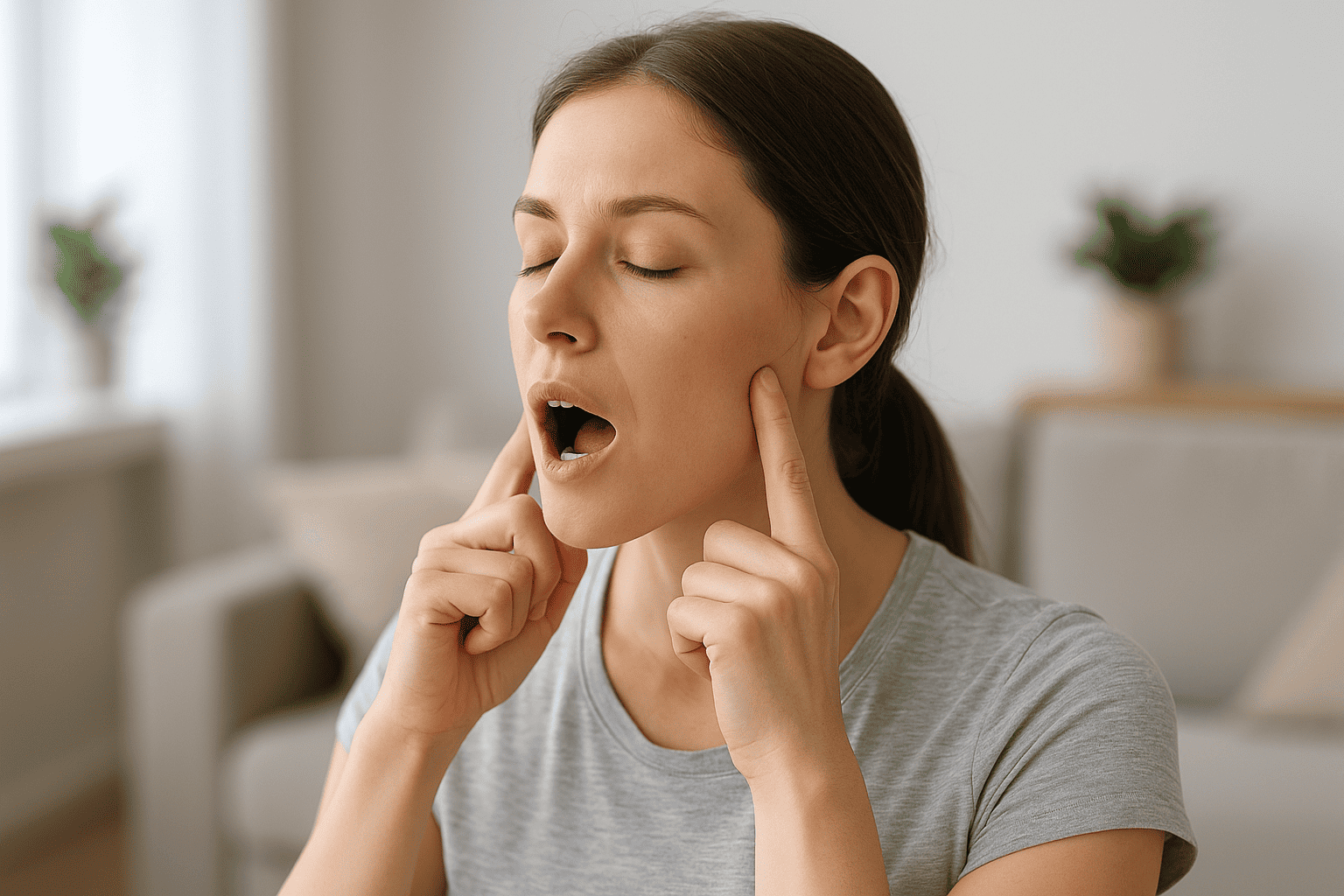
- Warm compress or jaw massage before bed. A warm, not hot, towel over the jaw for 10 to 15 minutes, or small circles with the fingertips near the temples and just below the ears.
- Eat well for muscle and nerve function. Leafy greens, nuts, seeds, bananas. Magnesium gets talked about a lot here and the evidence for supplementing it specifically for bruxism is thin, so treat food first and ask your GP before adding a supplement.
- Watch the caffeine, alcohol and nicotine. All three are associated with disturbed sleep, and disturbed sleep is associated with grinding. Herbal tea in the afternoon is an easy swap to test.
- Catch the daytime clenching. Phone reminders or a sticky note on the monitor. The resting position you want is lips together, teeth slightly apart, tongue on the roof of the mouth. Most people who clench are holding their teeth in contact all day without noticing.
- Work on the stress response, not just the stress. This is the one people skip, and it is the one aimed at the pattern rather than the symptom. Next section.
One more worth knowing: screens late at night are a common part of the picture, and Healthline has a plain-English rundown of blue light and what it does to sleep timing.
Where Cognitive Pattern Reprogramming Fits
Cognitive Pattern Reprogramming draws on Clinical Hypnosis, Strategic Psychotherapy and Neuro-Linguistic Programming throughout each session. Clinical Hypnosis creates a highly focused state of attention, Strategic Psychotherapy identifies and works with unhelpful patterns, and NLP techniques interrupt those patterns and anchor more useful responses. It is delivered as guided audio. You stay aware and in control the whole way through, and it is designed to work alongside professional care rather than instead of it, including your dentist, your splint and your GP.
For grinding, the target is the stress response the clenching is attached to. It is drug-free, there is nothing to wear and nothing to swallow, and you do it at home with headphones for 15 to 20 minutes a day. Some people find their jaw is easier in the mornings. Some do not. Results vary, and we would rather say so.
It does not repair worn enamel, fix a cracked tooth, correct a bite or treat a damaged joint. Those stay dental jobs, and if you are already seeing someone about your teeth, keep seeing them.
One session free for 7 nights. No credit card. $29.95/month unlocks all 50+ sessions. Cancel anytime.
When to See Someone About It
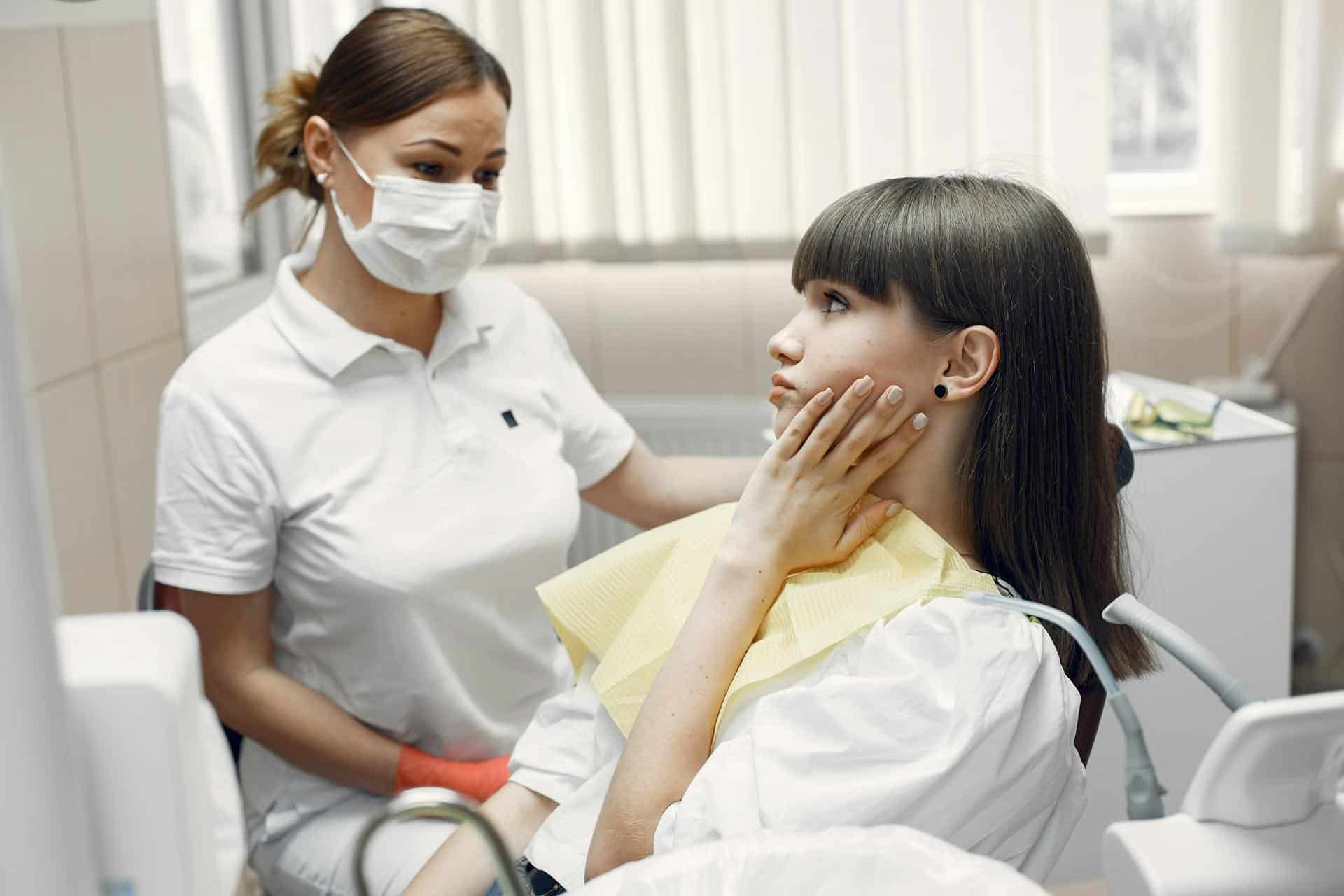
Self-management is fine for a while. These are the ones worth booking for instead.
- Teeth that are visibly worn, chipped, cracked or newly sensitive.
- Jaw pain that has lasted more than a couple of weeks or is getting worse.
- A jaw that locks, catches or clicks painfully.
- Headaches most mornings.
- Sleep that is being broken by it, or a partner saying it has got louder.
A dentist is the usual first stop, because they can see the wear, check the bite and fit a splint if you need one. A GP is a reasonable alternative if you are not sure the jaw is the whole story, or if the sleep problem is the bigger half.
If stress or poor sleep is wearing you down more generally, that is worth raising with your GP too. It is a normal thing to get help with. In Australia you can call Lifeline on 13 11 14 any time, and in an emergency call 000.
FAQs: Teeth Grinding and Natural Relief
What causes teeth grinding?
Teeth grinding is usually a mix of things rather than one cause. Stress and anxiety, poor sleep, an uneven bite, some medications and stimulants like caffeine, alcohol and nicotine are all associated with it. A dentist is the right person to work out what is driving yours.
Can bruxism go away on its own?
Sometimes. Mild grinding set off by a rough patch often settles once the rough patch does. Grinding that has been going on for months, or that is already wearing teeth, is worth having looked at rather than waiting out.
Should I stop wearing my mouthguard?
No, not off the back of anything on this page. A splint or mouthguard protects your teeth from the force of grinding, and whether you keep wearing it is a decision for the dentist who fitted it. Everything here is meant to sit alongside it.
Are mouthguards enough on their own?
A mouthguard protects the teeth, which is a real job and worth doing. It does not stop the grinding itself, which is why people often still wake with a sore jaw while wearing one. Most people end up doing something about the cause as well.
Where does Cognitive Pattern Reprogramming fit?
Cognitive Pattern Reprogramming is guided audio aimed at the stress response that clenching and grinding are often attached to. It draws on Clinical Hypnosis, Strategic Psychotherapy and NLP, it does not replace dental care, and it is designed to sit alongside your dentist and your GP. Results vary.
Is it suitable for children or teens?
Grinding is common in children and often settles on its own, so a dentist or GP is the right first stop rather than anything else. Any one-to-one work with Rob Edmonds involving a child happens with a parent or carer present.
What should I cut back on to reduce grinding?
Caffeine late in the day, alcohol in the evening and nicotine are the three most often linked to disturbed sleep and night-time grinding. Cutting back is low risk and easy to test on yourself over a couple of weeks.
Does jaw massage actually help?
For muscle soreness, often yes. A warm compress and gentle massage before bed can ease the tension in the muscles that do the clenching. It treats the ache rather than the habit, so it works best as one part of a routine.
Final Thoughts
Grinding is a habit with a cause behind it, so the useful work is in two halves: protect the teeth, which is the dentist’s half, and do something about what is setting it off, which is yours. Start with the sleep routine and the stimulants because they are free, get the wear checked because you cannot see it yourself, and give the stress side a proper go rather than treating it as the soft option.
If this is something you live with, have a look at the Mind and Body Reset pathway: 15 to 20 minute guided audio sessions designed to sit alongside any other support you have.