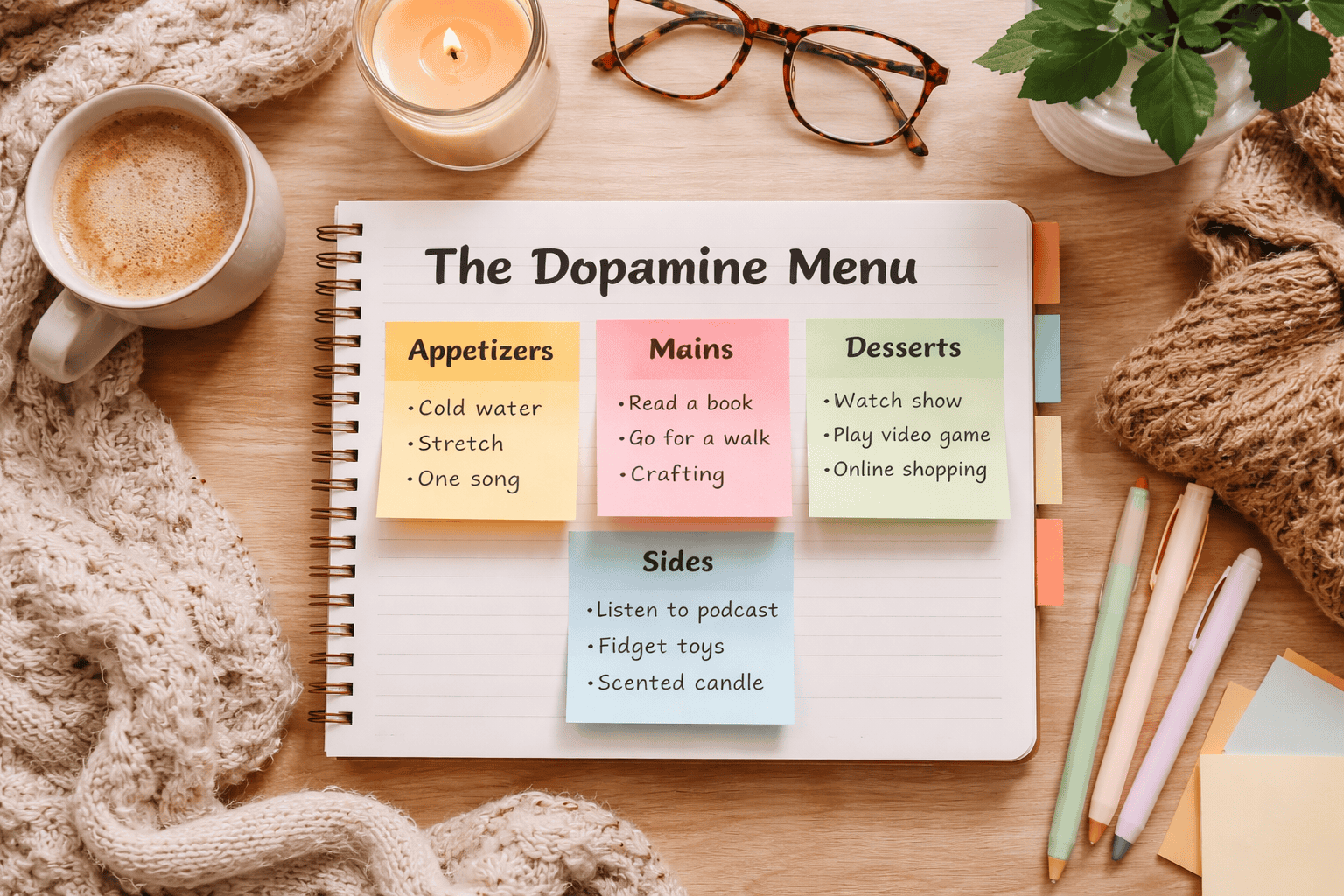

In today’s digital world, smartphone addiction is a growing concern, especially among young adults. With smartphones providing instant access to social media, entertainment, and information, many users find themselves compulsively checking their devices throughout the day. Research links heavy smartphone use with poorer sleep, lower mood and anxiety, and reduced focus, although it does not show that phones are the cause in every case. In this article, we explore what drives compulsive phone use, the signs it has become a problem, and practical ways to cut back, including where a self-guided tool such as Cognitive Pattern Reprogramming may fit alongside other support.
The Concept of Addiction
Addiction, in general, is defined as a chronic condition characterised by an inability to stop engaging in a behaviour or using a substance despite adverse consequences. According to the Diagnostic and Statistical Manual of Mental Disorders, Fifth Edition (DSM-5), addiction is often described under the umbrella of “Substance Use Disorders” or “Behavioural Addictions,” depending on the context.
The DSM-5 outlines several criteria that signal addiction. These include:
- Craving: A strong desire or urge to engage in the behaviour or use the substance.
- Loss of Control: Persistent efforts to reduce or regulate the behaviour, often without success.
- Time Investment: Spending an inordinate amount of time on the behaviour or recovering from its effects.
- Neglect of Responsibilities: Failing to fulfil work, school, or home obligations due to the behaviour.
- Continued Use Despite Harm: Engaging in the behaviour despite knowing it causes or exacerbates physical, psychological, or social problems.
- Tolerance and Withdrawal: A need to increase the behaviour to achieve the desired effect (tolerance) or experience distress when the behaviour is stopped (withdrawal).
While smartphone addiction is not officially classified in the DSM-5, its symptoms often mirror those of behavioural addictions such as gambling disorder. These symptoms highlight the compulsive nature of the behaviour and its interference with daily life.

Understanding Smartphone Addiction
Smartphone addiction, also referred to as “nomophobia” (short for “no-mobile-phone phobia”), describes a compulsive dependency on mobile devices. Unlike traditional addictions to substances such as alcohol or drugs, smartphone addiction is behavioural, characterised by excessive use that interferes with daily life, relationships, and mental health. For young adults, the line between frequent use and addiction can blur easily due to their reliance on these devices for education, work, and socialisation.
The Role of Dopamine
Dopamine is a neurotransmitter that plays a key role in the brain’s reward and pleasure systems. Often referred to as the “feel-good” chemical, dopamine is released during activities that bring satisfaction or enjoyment, such as eating, exercising, or achieving a goal. It acts as a motivator, encouraging behaviours necessary for survival or perceived as beneficial.
Dopamine plays a role in motivation and reward. When a rewarding activity, such as using a smartphone, brings a small hit of pleasure, the brain starts associating that activity with the reward. Over time, repeated cues and rewards can make a habit feel more automatic. Some researchers suggest this resembles the pull seen in other compulsive behaviours, although the research is still developing and not settled.
Many apps are designed to hold attention. Features like notifications, likes, and instant feedback provide small but frequent rewards, which can create a cycle where people feel compelled to check their devices repeatedly. The anticipation of a reward, whether a text, an update, or a “like”, can be just as compelling as the reward itself, driving compulsive checking.
Some people find that, as phone use becomes more frequent, other activities feel less rewarding by comparison. Restlessness and irritability when separated from a phone are also commonly reported, and they are one of the signs people look for when judging whether use has become a problem.
Understanding how rewards and cues shape habits underscores the importance of mindful smartphone use. By recognising these patterns, individuals can begin to take more control of their technology use and reduce reliance on their devices.
Key Indicators of Addiction
Recognising addiction involves understanding how smartphone overuse aligns with established criteria for behavioural addictions. Some key indicators include:
- Compulsive Usage Patterns. Constantly reaching for your phone, even in inappropriate settings such as during meetings, conversations, or driving. This compulsiveness reflects a loss of control, one of the hallmark traits of addiction.
- Increased Tolerance. You may need to spend more time on your phone or engage with it to feel satisfied. For instance, you may need to check multiple apps or scroll longer to experience the same level of gratification.
- Time Distortion and Loss. Spending far more time on your phone than intended, with hours feeling like minutes as you scroll through social media, games, or news feeds. This behaviour aligns with the “time investment” criterion outlined in the DSM-5.
- Neglected Obligations and Activities. Missing deadlines, neglecting studies, or avoiding physical activities and hobbies because phone use has taken precedence.
- Emotional Dependence. Feeling anxiety, restlessness, or irritability when unable to access your phone, often described as withdrawal symptoms in the context of addiction.
- Negative Social Impact. Observing that your phone usage is straining relationships, such as ignoring loved ones during conversations or becoming defensive when they comment on your phone habits.
- Using Phones to Cope. Turning to your phone to escape stress, boredom, or uncomfortable emotions, similar to how people with substance addictions use their drug of choice as a coping mechanism.
Identifying these patterns in yourself or others is a critical step toward addressing smartphone addiction. Understanding these parallels with broader addiction criteria allows for a more comprehensive approach to managing the problem.
Why Are Young Adults More Vulnerable?
Smartphone addiction affects all age groups, but young adults are particularly susceptible due to several factors:
Developmental Stage
The brain’s prefrontal cortex responsible for decision-making and impulse control continues developing into the mid-20s. This makes young adults more prone to impulsive behaviours, including excessive smartphone use. Moreover, this developmental stage is marked by a heightened sensitivity to rewards, such as the instant gratification provided by smartphone notifications, which may make them more prone to compulsive habits.
Social Media Pressure
Social media platforms, popular among young adults, are designed to keep people engaged. Algorithms deliver content tailored to your preferences, encouraging endless scrolling and prolonged screen time. The desire to maintain a curated online persona adds additional pressure to remain constantly connected. Trends such as “influencer culture” and viral challenges amplify this pressure, fostering unhealthy comparisons and an overreliance on digital validation.
Academic and Professional Reliance
Smartphones have become essential, and educational institutions and workplaces are increasingly integrating digital tools. For instance, young adults use their phones for online classes, virtual meetings, research, and networking. However, the necessity of smartphones in these settings often blurs the line between productive use and overuse, which can lead to overuse. Furthermore, the pressure to multitask balancing professional, academic, and personal tasks on one device can exacerbate over-reliance.
Cultural Shifts
Cultural norms have shifted toward prioritising connectivity and instant communication. For young adults, being offline for a short period can feel isolating, contributing to a cycle of compulsive phone use to avoid social disconnection or perceived irrelevance.
Consequences of Smartphone Addiction
The impact of excessive smartphone use goes beyond screen fatigue. Here is how it affects your mental, physical, and social well-being:
Mental Health Issues
Research has linked heavy smartphone use with higher rates of anxiety, depression, and stress, although it is not always clear which comes first. Constant comparison on social media can erode self-esteem, while the fear of missing out can feed feelings of inadequacy. For some people this becomes a cycle in which they feel unable to disconnect for fear of being judged or excluded. If low mood or anxiety is affecting your life, talk to your GP.
Sleep Disruption
Using screens late at night can delay sleep, and light from screens may affect melatonin, a hormone involved in sleep. Poor-quality sleep can affect concentration, memory, and mood. Additionally, many young adults engage in “revenge bedtime procrastination,” delaying sleep to spend more time on their phones, further compounding sleep-related issues.
Reduced Productivity
Endless distractions from notifications and apps can hinder your ability to focus, reducing productivity in both academic and professional settings. For example, task-switching between studying and checking notifications increases cognitive load, making it harder to complete tasks efficiently. This decreased productivity often leads to increased stress and burnout.
Strained Relationships
Excessive phone use can create a barrier between you and your loved ones. Being physically present but mentally absent due to screen time can lead to misunderstandings and emotional distance. This phenomenon, often called “phubbing” (phone snubbing), can erode trust and intimacy in personal relationships.
Physical Health Concerns
From “text neck” (neck strain caused by looking down at your phone) to carpal tunnel syndrome, prolonged phone use can lead to various physical health issues. Furthermore, excessive phone use often correlates with a sedentary lifestyle, increasing the risk of obesity, cardiovascular problems, and other chronic conditions. Prolonged screen time can lead to eye strain, headaches, and long-term vision issues, such as myopia (nearsightedness).
Cognitive Decline
Some research suggests that heavy reliance on smartphones may be linked with differences in attention and memory, although the evidence is mixed and cause and effect are unclear. A 2017 review (Wilmer, Sherman and Chein) examined these links. Using your own memory and problem-solving, rather than reaching for the phone first, is one way to keep those skills in use.
Combating Smartphone Addiction
Many people find they can change their phone habits with awareness and intentional effort. Here are some practical strategies to try:
Set Boundaries
Establish clear limits on your phone usage. For example, allocate specific times for checking social media or responding to emails. Apps like “Screen Time” (iOS) or “Digital Wellbeing” (Android) can help you monitor your usage and set limits.
Turn Off Non-Essential Notifications
Notifications are designed to grab your attention. Turning off non-essential alerts can reduce the urge to check your phone. A 2016 study found that people whose phones were set to alert them reported more symptoms of inattention and hyperactivity than those whose notifications were silenced (Kushlev, Proulx and Dunn, 2016).
Create Phone-Free Zones
Designate areas or times where phone use is off limits, such as during meals, in the bedroom, or when spending quality time with friends and family. Many people find this helps them be more present with others.
Practice Mindfulness
Engage in activities that promote mindfulness, such as meditation, yoga, or journaling. These practices can help you become more aware of your smartphone habits and make conscious choices.
Rediscover Offline Activities
Reconnect with hobbies that do not involve screens, such as reading, painting, or playing sports. Offline activities can give you something else to reach for and make it easier to break the habit of picking up your phone.
Incorporate Cognitive Pattern Reprogramming
Some people also use a self-guided tool alongside other support for habits, including phone use. Cognitive Pattern Reprogramming draws on Clinical Hypnosis, Strategic Psychotherapy and Neuro-Linguistic Programming, and it is designed to help develop more useful ways of responding to urges. It does not diagnose or treat any condition, including problematic phone use, and individual experiences vary. While listening, you remain aware and in control, able to hear what is being said and respond if you choose. Do not listen while driving or operating machinery. The sessions are designed to be repeated, and there is no fixed timeframe. People respond differently. It has not been through an independent clinical trial as a complete method; see our evidence page.
Seek Professional Support
If you are struggling to manage your smartphone use, consider reaching out to your GP, a psychologist or a counsellor who works with behavioural addictions. Cognitive behavioural therapy (CBT) is commonly used to help people build healthier coping habits. If your phone use is tied to low mood, anxiety or thoughts of harming yourself, please contact your GP, Lifeline on 13 11 14, or 000 in an emergency.
One session free for 7 nights · No credit card · $29.95/month unlocks all 50+ sessions · Cancel anytime.

The Path to a Balanced Digital Life
While smartphones are integral to modern life, it is worth keeping a balanced relationship with them. By setting boundaries, prioritising face-to-face interactions, and building self-awareness, many people find they can enjoy the benefits of technology without it taking over.
Remember, the goal is not to eliminate smartphone use but to make sure it supports rather than dominates your life. Awareness is the first step.
References
- American Psychiatric Association. (2013). Diagnostic and Statistical Manual of Mental Disorders (5th ed.). Arlington, VA: American Psychiatric Publishing.
- Andreassen, C. S., & Pallesen, S. (2014). Social network site addiction: An overview. Current Pharmaceutical Design, 20(25), 4053-4061. Link
- Kushlev, K., Proulx, J., & Dunn, E. W. (2016). “Silence your phones”: Smartphone notifications increase inattention and hyperactivity symptoms. Proceedings of the 2016 CHI Conference on Human Factors in Computing Systems.
- Wilmer, H. H., Sherman, L. E., & Chein, J. M. (2017). Smartphones and cognition: A review of research exploring the links between mobile technology habits and cognitive functioning. Frontiers in Psychology, 8, 605. Link
Want to go further? The Habits and Lifestyle Change pathway brings together the guided audio sessions on this, and you can try one session free for 7 nights, no credit card.