
Teen stress can be more serious than many parents realise. Between school demands, social media pressure, and personal struggles, many teens feel overwhelmed but don’t always know how to ask for help. What looks like moodiness or laziness might actually be signs of deeper stress or anxiety.
In this article, we’ll walk you through the real challenges teens face today, how to spot signs of stress early, and what you can do to support your child. We’ll also look at where Cognitive Pattern Reprogramming may fit alongside other support. It is designed to help people recognise and interrupt unhelpful patterns, and individual experiences vary.
Understanding Why Teen Stress Is More Intense Today

Teenagers today deal with pressures that earlier generations did not, such as constant online connection. From the constant buzz of social media to academic demands and peer pressure, it’s no surprise that many teens feel mentally and emotionally drained. Stress has become part of their daily routine, sometimes so normal that parents don’t even notice it.
To truly support your teen, it’s important to understand where their stress is coming from and why it feels so overwhelming. Let’s break down the key sources of modern teen stress and take a closer look at what they may be silently struggling with.
Social Media, Academic Pressure, Peer Expectations
Unlike adults who can log off, teens are deeply tied to social media: it’s where they connect, compare, and often seek validation. Platforms like Instagram or TikTok can create unrealistic standards of beauty, popularity, and success. Many teens feel pressure to appear “perfect” online, and when they don’t measure up, it can lead to low self-esteem and anxiety. Even just one negative comment or being excluded from a group chat can trigger emotional distress.
At the same time, academic expectations are higher than ever. Schools push for top performance, and many teens juggle packed schedules with little room for downtime. Add to that the pressure to get into a good university or meet family expectations, and it’s a recipe for chronic stress. Peer expectations also play a big role fitting in, keeping up, or simply being liked often becomes more important than well-being.
This triple burden (social, academic and peer-related) can weigh heavily on teens. It’s not always easy for them to speak up about it. Instead, they may become withdrawn, irritable, or act out in ways that are misunderstood. Knowing where the stress is coming from is the first step in offering meaningful support.
What Teens Are Silently Dealing With
Many teens who seem fine on the outside may be silently struggling with internal stress. They often hide their emotions because they think their problems aren’t serious enough or worry that speaking up will lead to judgment or disappointment. This silence can build up over time and contribute to emotional exhaustion, burnout or low mood.
What makes teen stress harder to spot is how well it’s hidden. A teen might smile, attend class, and go through the motions, all while feeling completely overwhelmed inside. Without a safe space to express themselves, they may suppress their feelings until it affects their mental health and daily life.
As a parent, it’s essential to create a supportive environment where your teen feels heard and accepted. When open conversation isn’t enough, approaches like Cognitive Pattern Reprogramming may suit some teens who find it difficult to put what they’re feeling into words. Individual experiences vary.
Common Signs Your Teen Is Stressed
Teenagers aren’t always open about how they feel. In fact, many don’t even realise they’re under stress until it begins to affect their emotions, health, or behaviour. As a parent, it’s important to spot the warning signs, especially the subtle ones. When stress builds up, it often shows in ways teens can’t explain or choose to hide.
Let’s explore the emotional, physical, and behavioural signs that may suggest your teen is dealing with more than just a rough day.
Emotional Shifts: Irritability, Mood Swings, Withdrawal
One of the first signs of teen stress is a shift in emotions. You may notice your teen snapping more often, getting irritated by small things, or showing sudden mood swings. These aren’t just “teenage hormones” they could be signs of emotional overload. When teens are under pressure, their emotional regulation weakens, leading to unpredictable reactions.
Withdrawal is another red flag. A once talkative or outgoing teen may suddenly prefer isolation, avoid conversations, or lock themselves in their room. This emotional shutdown often stems from feeling misunderstood or overwhelmed. Instead of expressing stress directly, many teens retreat inward hoping it’ll pass or fearing they’ll be judged if they speak up.
Physical Signs: Fatigue, Headaches, Sleep Issues
Stress doesn’t just affect the mind, it takes a toll on the body, too. Teens may start feeling tired all the time, even if they’re not physically active. Complaints of headaches, stomach aches, or muscle tension are common stress-related symptoms, especially when there’s no clear medical cause.
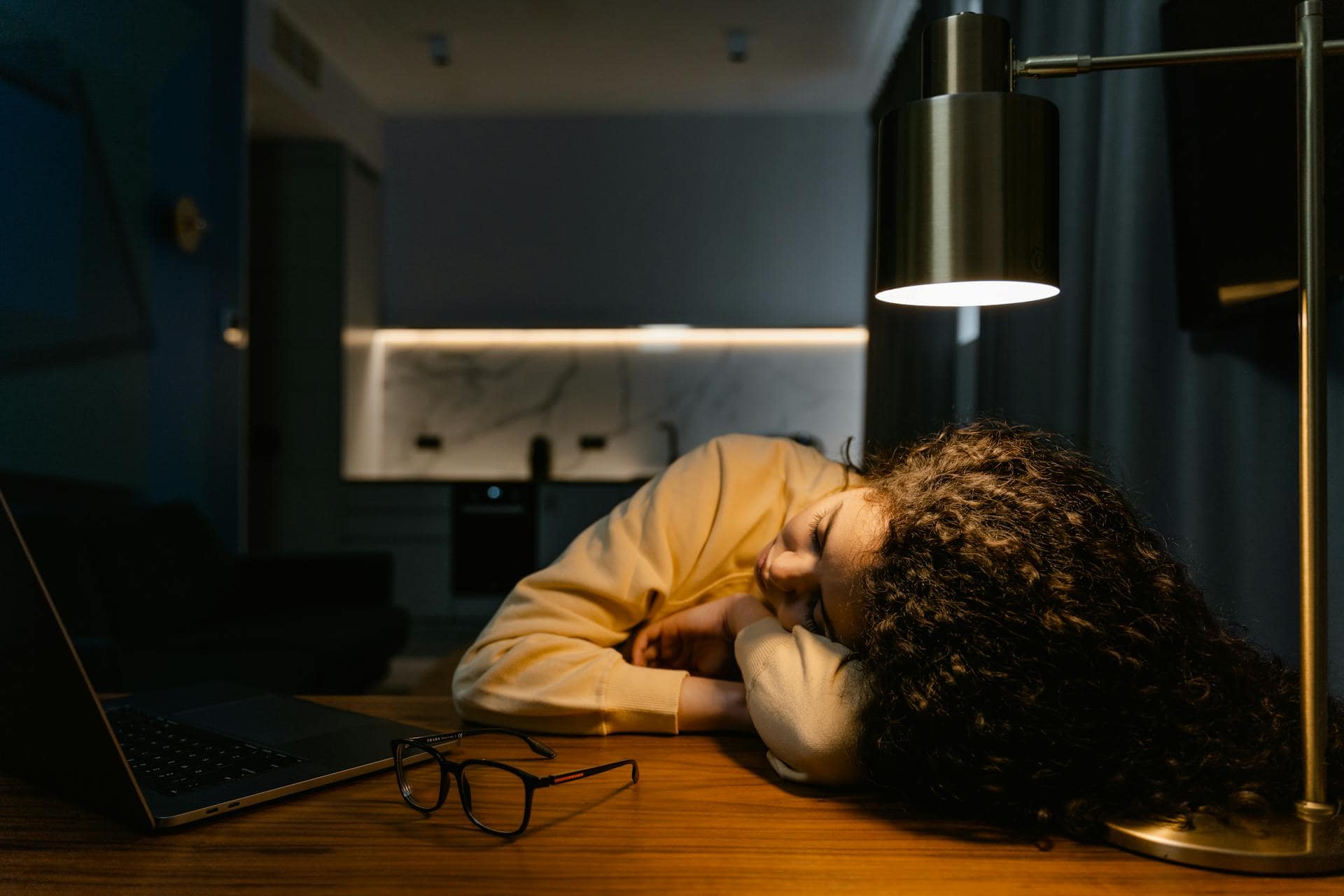
Sleep problems are also a big indicator. Some teens struggle to fall asleep due to racing thoughts, while others sleep excessively as a way to escape their worries. Either pattern can disrupt their day-to-day life, making school, relationships, and even hobbies feel harder to manage. If these physical symptoms persist, it’s a strong sign that stress might be behind them.
Behavioural Changes: Drop in Grades, Isolation, or Defiance
Stress can impact how teens act, often in ways that seem confusing or frustrating to parents. A sudden drop in grades doesn’t always mean laziness it may reflect trouble concentrating, memory issues, or lack of motivation due to mental exhaustion. When the brain is overloaded, even simple tasks can feel impossible.
You might also notice changes in social behaviour. A teen who once enjoyed hanging out with friends may pull away or stop participating in activities they used to love. In some cases, stress shows up as defiance or risky behaviour: talking back, skipping school, or breaking rules. These outbursts are often cries for help, not just rebellion.
If your teen shows any of these signs, consider it an invitation to look deeper rather than discipline quickly. Approaches like Cognitive Pattern Reprogramming may help some teens process their emotions in a guided way, especially when they struggle to open up through words alone.

How Teen Stress Affects Their Mental Health Long-Term
When stress becomes a regular part of a teen’s life, it doesn’t just go away on its own. Over time, chronic stress can take a serious toll on their mental health. While some stress is normal and even helpful, ongoing pressure without proper support can lead to long-term emotional and psychological challenges.
Understanding how stress can affect the mind and behaviour over time can help you support your teen to build healthier habits now.
Link Between Chronic Stress and Anxiety/Depression
Prolonged stress can affect how the body and mind handle emotions. It activates the body’s fight-or-flight system repeatedly, which over time can leave teens feeling constantly on edge. For some teens this can contribute to ongoing anxiety, where they worry a lot even when there’s no clear reason. What starts as occasional stress becomes a pattern of overthinking and fear they can’t control.
When stress continues without relief, it can also be linked with low mood or depression. Teens may feel numb, hopeless, or stuck in a cycle of negative thoughts. They might lose interest in things they once enjoyed, isolate themselves, or feel like they’re failing even when they’re doing their best. These may be more than “bad days”, and they are worth raising with your GP.
Impact on Sleep, Motivation, and Overall Development
Sleep plays a huge role in a teen’s mental and physical development but stress often disrupts it. Teens under pressure may lie awake at night thinking about school, social problems, or personal worries. This sleep loss doesn’t just make them tired it affects mood, memory, decision-making, and even how they handle stress the next day.
Motivation can also take a big hit. Chronic stress makes simple tasks feel overwhelming. Teens may lose the drive to do homework, pursue goals, or socialize. Over time, this drop in motivation can interfere with their confidence, academic growth, and emotional maturity. If left unaddressed, it can shape how they respond to stress well into adulthood.
That’s why getting support early can help. Cognitive Pattern Reprogramming is designed to help people recognise and interrupt unhelpful stress patterns. It is not a replacement for medical or professional care, and individual experiences vary.

What NOT to Say: Common Mistakes Parents Make
As parents, we always want what’s best for our teens but sometimes, our words can unintentionally make things worse. When a teen finally opens up, how we respond matters more than we think. The wrong reaction can shut down communication, make them feel judged, or even increase their stress.
Let’s go over some common mistakes parents make when trying to help, and why a more mindful approach can make all the difference.
“You’re Just Overreacting” and Other Invalidating Responses
Saying things like “You’re just being dramatic” or “Other children have it worse” might seem harmless, but these phrases can deeply invalidate your teen’s feelings. When they hear this, it teaches them their emotions aren’t important or worse, that they’re wrong for feeling overwhelmed.
Even if their problems seem small from an adult perspective, to them, those issues feel huge. Whether it’s a fight with a friend or a low grade, dismissing it shuts down the chance to connect. Instead of downplaying their emotions, try saying, “I can see this is really upsetting for you.” That simple shift opens the door to trust and support.
Why Trying to “Fix It” Right Away Can Backfire
Parents often jump into problem-solving mode the moment a teen talks about stress. While the intention is good, it can feel overwhelming for the teen especially if they just needed someone to listen. Offering solutions too soon may make them feel like their emotions are being brushed aside in favor of quick fixes.
What teens need first is empathy, not answers. Let them talk. Let them vent. Sometimes just being heard is what calms the storm. Once they feel understood, they may be more open to ideas or guidance. Some teens may find extra support like Cognitive Pattern Reprogramming useful, as it is designed to help people explore their emotions at their own pace.

Effective Ways Parents Can Support a Stressed Teen
Supporting a teen through stress doesn’t require perfection it requires presence. While you can’t remove every challenge they face, your response can make a huge difference in how they cope. Teens need to feel seen, heard, and supported without judgment or pressure.
Here are practical ways you can be that steady source of support starting with creating the right environment at home.
Creating a Safe Space to Talk
One of the most powerful things you can do is make it safe for your teen to open up. That means listening without interrupting, judging, or jumping to conclusions. Many teens stay silent because they’re afraid of being misunderstood or worse, punished for how they feel.
Start small. Ask open-ended questions like “How are you really doing?” and be patient with the silence. Let them know that their feelings are valid and that you’re there no matter what. When teens feel safe emotionally, they’re more likely to share what’s really going on beneath the surface.
Setting Realistic Expectations and Offering Healthy Coping Strategies
Academic pressure, social stress, and life changes can all pile up. Help your teen by setting realistic expectations, not everything needs to be perfect. Remind them it’s okay to make mistakes, and that their worth isn’t tied to achievements. Celebrate effort and growth, not just outcomes.
You can also introduce healthy ways to cope. Encourage physical activity, journaling, or creative outlets. For deeper emotional stress, speak to your GP or a psychologist first. Some parents also consider Cognitive Pattern Reprogramming, a self-guided audio method designed to help people recognise and work with unhelpful patterns. Individual experiences vary.
Importance of Modelling Emotional Regulation
Teens learn more from what you do than what you say. If you respond to stress with anger or withdrawal, they’re likely to mirror that behaviour. On the other hand, if you stay calm, take breaks, or talk through your emotions in a healthy way, they’ll pick up those habits, too.
Let them see you managing tough days with grace, whether it’s pausing before reacting, asking for help, or simply saying, “I’m feeling stressed, and that’s okay.” By modelling emotional regulation, you’re showing them that stress doesn’t have to control their life, it’s something they can navigate and overcome.

How Cognitive Pattern Reprogramming May Help Teens Cope with Stress
When teens struggle with stress, anxiety, or emotional overload, traditional advice like “just talk about it” isn’t always enough. Many teens find it hard to express what they feel, or may not yet understand where their emotions are coming from. This is where Cognitive Pattern Reprogramming may offer a supportive option.
Cognitive Pattern Reprogramming is not a replacement for talk therapy or medication, and it can sit alongside them. It is designed to help teens ease internal tension and build resilience, and individual experiences vary.
What Is Cognitive Pattern Reprogramming?
Cognitive Pattern Reprogramming is an integrated method drawing on Clinical Hypnosis, Strategic Psychotherapy and Neuro-Linguistic Programming. Clinical Hypnosis creates a highly focused state of attention. Within that state, Strategic Psychotherapy identifies and works with unhelpful patterns and is designed to help develop more useful ways of thinking, responding and behaving. Neuro-Linguistic Programming techniques may be used throughout to interrupt unhelpful patterns and anchor more useful responses. While listening, you remain aware and in control, able to hear what is being said and respond if you choose. Do not listen while driving or operating machinery.
Most of the Mindshift Method library is written for adults. If you are thinking about it for your teen, please speak to their GP or psychologist first, and consider listening to a session yourself before you decide together. The audio programs are not a treatment for a teenager’s stress or anxiety, and they sit alongside professional care.
Some teens find the relaxed focus comfortable. It does not ask them to “explain everything”. Cognitive Pattern Reprogramming does not diagnose, treat, cure or prevent any condition, including stress, anxiety or sleep difficulties.
The sessions are self-guided audio of about 15 to 20 minutes. They are designed to be repeated, there is no fixed timeframe, and people respond differently.
How It Is Designed to Help Teens Reframe Anxiety Triggers
Many of our reactions to stress are automatic. Many triggers like social anxiety, fear of failure, or panic in high-pressure situations can feel automatic. Even if a teen logically knows they’re safe, their body and mind may still react with anxiety or avoidance.
Cognitive Pattern Reprogramming is designed to help teens reframe those automatic responses in a guided way. During a session, teens listen to guided audio that may use calming imagery and positive language and is designed to help them respond differently to certain triggers. Over time, some teens find it helps them respond differently in stressful situations.
One thing some teens appreciate is that it doesn’t ask them to relive painful events or explain every detail of their struggle. Instead, it is designed to help them ease fear-based responses and develop calmer, more confident ones. Some people report feeling lighter and more in control, though people respond differently and no fixed timeframe is promised.
What the Experience Is Like
Cognitive Pattern Reprogramming is self-guided audio, so it is non-invasive. It does not involve medication, and it is not a replacement for medical or professional care. Individual experiences vary.
Because the sessions focus on creating a calm, focused state of mind, some teens find the experience relaxing. There’s no pressure to talk unless they want to, and they remain aware and in control throughout. It feels more like guided relaxation than a formal therapy session.
Cognitive Pattern Reprogramming can fit into a broader wellbeing plan alongside approaches like counselling, mindfulness or lifestyle changes. Some teens find it helps them feel more balanced and confident, though individual experiences vary.

When to Seek Professional Help
It’s normal for teens to feel stressed from time to time but when that stress begins to interfere with daily life, it may be time to seek professional support. Knowing when to step in can make all the difference in preventing more serious mental health struggles. The key is recognising the red flags early and exploring support options that feel right for your teen.
Whether it’s a school counsellor, your GP or a psychologist, help is available and often more accessible than parents realise. Here’s how to know when it’s time to act, and where to begin.
Warning Signs Stress Is Becoming Unmanageable
When teen stress turns into something more serious, it often shows up in patterns. If your teen is constantly overwhelmed, shutting down emotionally, or showing signs of hopelessness, these are clear indicators that stress is no longer manageable on their own. Other signs include sudden changes in sleep, eating habits, or a total loss of interest in activities they used to enjoy.
You might also notice your teen making concerning statements like “I just can’t handle this anymore” or “What’s the point?” Even if they say it casually, don’t brush it off. These comments could be early warnings of anxiety or depression. If stress is affecting their health, school performance, or relationships and doesn’t seem to improve over time, it’s time to bring in support.
It’s also important to trust your instincts. You know your child better than anyone. If something feels off for an extended period, it’s okay to seek help even if your teen insists they’re fine. The earlier you act, the better the outcome tends to be.
Please speak to your GP or a psychologist if you are worried about your teen. Kids Helpline (1800 55 1800) offers free, confidential counselling for children and young people aged 5 to 25, and Lifeline (13 11 14) and Beyond Blue (1300 22 4636) are free and open 24 hours a day.
If you are in immediate danger or at risk of harming yourself, contact emergency services immediately.
Australia: Lifeline 13 11 14 | Emergency 000
USA: 988 Suicide & Crisis Lifeline | Emergency 911
UK: Samaritans 116 123 | Emergency 999
Role of School Counsellors, Therapists, and Other Support
School counsellors are a great first step. They can offer emotional support, help with academic stress, and refer your teen to external professionals if needed. They also provide a safe, neutral space where teens can talk without feeling judged or “in trouble.”
For ongoing emotional struggles, psychologists, counsellors and other qualified professionals can help with deeper issues. Talking therapies work well for many teens, especially those who are comfortable expressing their feelings. Not every teen opens up easily, though, and some parents also consider self-guided options such as Cognitive Pattern Reprogramming alongside professional support.
Cognitive Pattern Reprogramming may suit some teens who are overwhelmed but can’t always put their emotions into words. It is designed to help people recognise and interrupt unhelpful patterns, and some teens find it feels less intimidating than talking things through, though individual experiences vary. It is not a substitute for counselling or other professional care.
Final Thoughts
Let’s normalise teen stress and offer real support. Teen stress is real and it’s time we start treating it that way. Instead of brushing it off as “just a phase,” we need to recognise that our teens are growing up in a world that’s more connected, competitive, and demanding than ever. Listening without judgment, validating their emotions, and showing up with compassion can go a long way in helping them feel safe and supported.
As parents, it’s okay to admit we don’t have all the answers. What matters most is being willing to understand and explore the support systems that work. Cognitive Pattern Reprogramming is one option some families consider alongside medical or professional care. If your teen is silently struggling, know that help is available.
By normalising conversations around mental health and seeking support early, we empower teens to take charge of their well-being. Stress may be part of life, but with the right guidance and resources, they don’t have to face it alone.
Browse the twelve MindShift pathways to find the guided audio sessions closest to what you are dealing with. You can try one session free for 7 nights, no credit card.